THE ADVENTURE COLLECTIVE® · Independent discovery and booking for outdoor travel

Spend a compact half-day in Nasr City exploring the October War Panorama and the pyramid-shaped Unknown Soldier Memorial. This private tour combines air‑conditioned transfers with concise, interpretive visits to two of Cairo’s modern historical sites.
Spend a compact half-day in Nasr City exploring the October War Panorama and the pyramid-shaped Unknown Soldier Memorial. This private tour combines air‑conditioned transfers with concise, interpretive visits to two of Cairo’s modern historical sites.
You step out of the air-conditioned car into the wide, sun-baked plaza of Nasr City; concrete planes and the sharp silhouette of a pyramid-like memorial cut across the blue, and the city hums around you. The tour moves at a compact, deliberate pace—short walks, clear story points, and the steady presence of a guide who threads dates into place names.
Verified experiences and guided adventures in the surrounding area.
Operated by Koki Egypt Travel · Cairo, Cairo Governorate
You step out of the air-conditioned car into the wide, sun-baked plaza of Nasr City; concrete planes and the sharp silhouette of a pyramid-like memorial cut across the blue, and the city hums around you. The tour moves at a compact, deliberate pace—short walks, clear story points, and the steady presence of a guide who threads dates into place names.
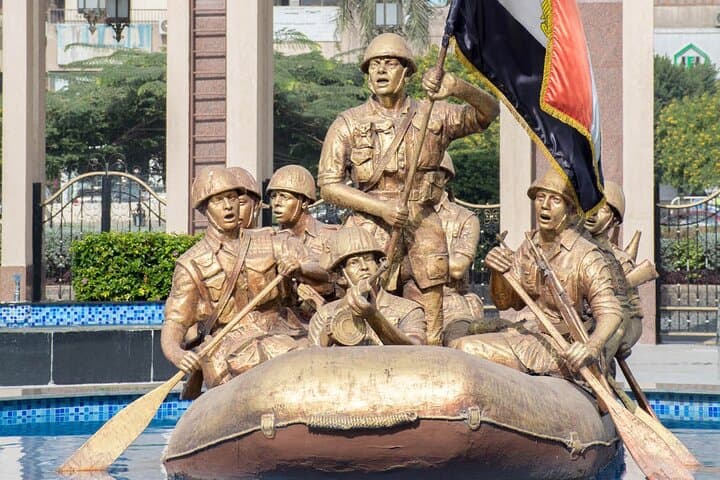
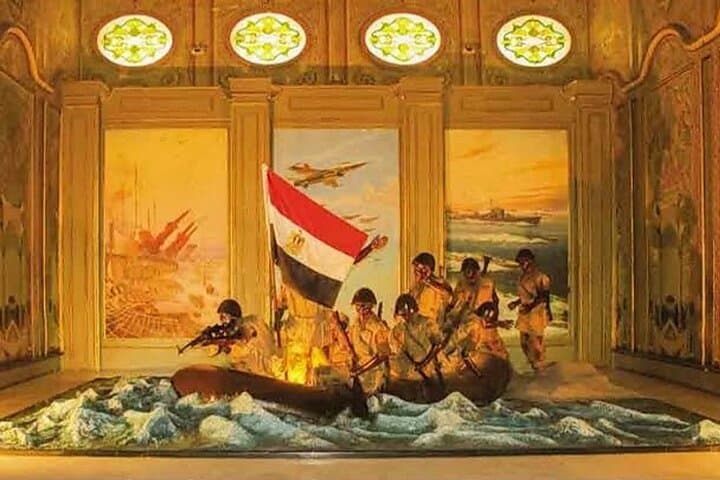
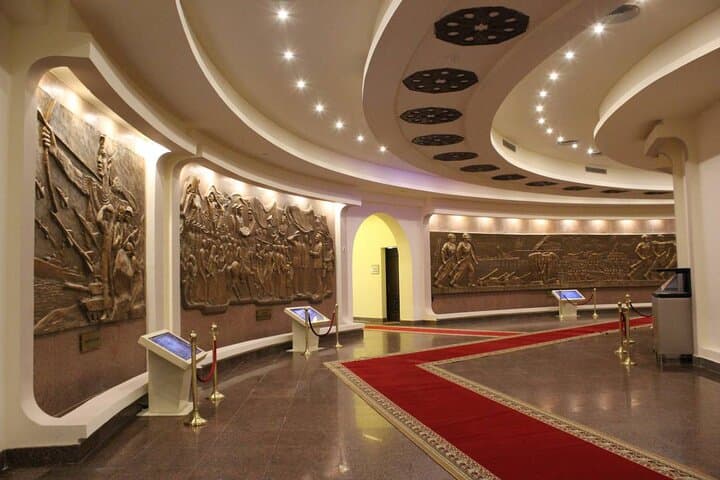
The October War Panorama is presented as a museum that interprets the 1973 conflict from an Egyptian perspective; large-scale dioramas and murals are typical features of these sites, designed to bring battlefield moments into a single immersive room. Nearby, the Unknown Soldier Memorial in Nasr City—a pyramid-shaped monument built in the 1970s and later associated with President Anwar Sadat’s burial—dominates its plaza and marks a politically charged chapter in modern Egyptian memory.
Geology here is urban: reclaimed desert and mid-century concrete rather than green slopes, but the site’s scale forces you to reckon with human-made monumentality. Culturally, the stops offer concentrated lessons in national identity, sacrifice, and post-1973 commemoration practices.
Practical guidance: allow about three to four hours including hotel transfers; expect paved walking across flat terrain; light sun protection and comfortable shoes are sufficient. Security checkpoints and respectful dress are required at many monuments; photography rules vary, so follow your guide. The tour is easy physically but emotionally focused—bring water, a hat, and an openness to history that can feel both personal and public.
easy.
3–4 hours.
Basic mobility and the ability to walk short paved distances; suitable for most fitness levels.
The tour runs about three to four hours including hotel pickup and drop-off; on-booking duration is typically 240 minutes.
This package typically includes entry fees to the Panorama and the Unknown Soldier Memorial—confirm at booking for any option-specific changes.
The tour involves short, flat walks and vehicle transfers; it’s generally suitable for children and those with limited mobility but not for guests with severe spinal issues—check restrictions before booking.
Photography rules vary by site and room; your guide will advise on permitted areas and any restricted exhibits.
The sites commemorate the 1973 October War and its impact on Egyptian national identity; the Unknown Soldier Memorial was inaugurated in the mid-1970s and later associated with President Anwar Sadat’s burial.
These urban memorial sites require minimal natural-resource management but benefit from visitor respect—avoid littering, follow established paths, and support local conservation by choosing responsible operators.
Koki Egypt Travel operates guided outdoor trips and adventures with an emphasis on safety, stewardship, and memorable experiences.
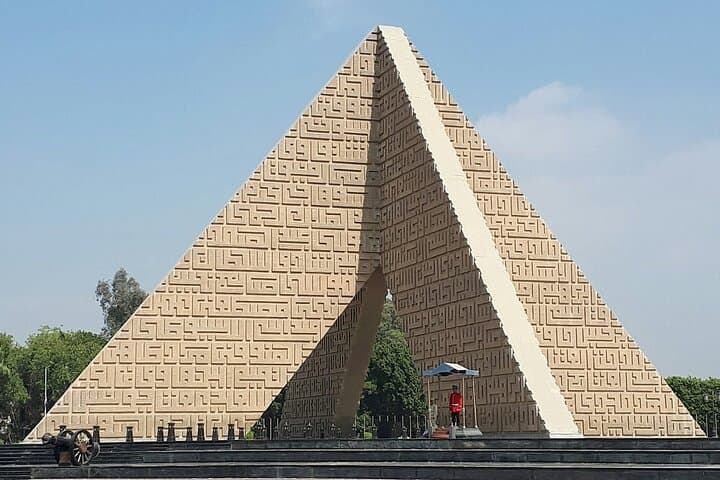
You step out of the air-conditioned car into the wide, sun-baked plaza of Nasr City; concrete planes and the sharp silhouette of a pyramid-like memorial cut across the blue, and the city hums around you. The tour moves at a compact, deliberate pace—short walks, clear story points, and the steady presence of a guide who threads dates into place names.
You step out of the air-conditioned car into the wide, sun-baked plaza of Nasr City; concrete planes and the sharp silhouette of a pyramid-like memorial cut across the blue, and the city hums around you. The tour moves at a compact, deliberate pace—short walks, clear story points, and the steady presence of a guide who threads dates into place names.
The October War Panorama is presented as a museum that interprets the 1973 conflict from an Egyptian perspective; large-scale dioramas and murals are typical features of these sites, designed to bring battlefield moments into a single immersive room. Nearby, the Unknown Soldier Memorial in Nasr City—a pyramid-shaped monument built in the 1970s and later associated with President Anwar Sadat’s burial—dominates its plaza and marks a politically charged chapter in modern Egyptian memory.
Geology here is urban: reclaimed desert and mid-century concrete rather than green slopes, but the site’s scale forces you to reckon with human-made monumentality. Culturally, the stops offer concentrated lessons in national identity, sacrifice, and post-1973 commemoration practices.
Practical guidance: allow about three to four hours including hotel transfers; expect paved walking across flat terrain; light sun protection and comfortable shoes are sufficient. Security checkpoints and respectful dress are required at many monuments; photography rules vary, so follow your guide. The tour is easy physically but emotionally focused—bring water, a hat, and an openness to history that can feel both personal and public.