THE ADVENTURE COLLECTIVE® · Independent discovery and booking for outdoor travel

Drive out of Naples for a light lunch and a 500‑metre uphill walk to Vesuvius’s crater rim. This half‑day trip pairs regional history with panoramic bay views and a brisk, rocky hike.
Drive out of Naples for a light lunch and a 500‑metre uphill walk to Vesuvius’s crater rim. This half‑day trip pairs regional history with panoramic bay views and a brisk, rocky hike.
You step out of the air-conditioned van onto a stony slope and the wind on Vesuvius immediately rearranges your plans: it nudges jackets closed and points your eyes toward a low, dark rim. The walk from the parking area to the crater is short but uphill — roughly a 500‑metre trail of volcanic scree that forces a steady pace and rewards every breath with widening views of the Bay of Naples.
Verified experiences and guided adventures in the surrounding area.
Operated by Napoli City Vision · Naples, Campania
You step out of the air-conditioned van onto a stony slope and the wind on Vesuvius immediately rearranges your plans: it nudges jackets closed and points your eyes toward a low, dark rim. The walk from the parking area to the crater is short but uphill — roughly a 500‑metre trail of volcanic scree that forces a steady pace and rewards every breath with widening views of the Bay of Naples.
This volcano shaped regional history; its eruption in 79 AD buried Pompeii and Herculaneum and still defines the coastline’s silhouette. Geologically, Vesuvius is a stratovolcano with layered lava and ash that produce loose, rocky trails and a crater you can walk around — a visible cross-section of explosive volcanic processes.
Culturally, the route remains linked to local life: small restaurants near Pompeii serve a focused, early lunch before the climb, and guides blend natural facts with stories about the eruption’s human impact.
Practical guidance: expect about 1.5 hours on the mountain (part of a 4–5 hour tour), moderate exertion on uneven volcanic ground, and strong winds near the rim. Bring layered windproof clothing, sturdy shoes with good grip, and at least 1 liter of water. Start late morning with the group to avoid pre‑dawn chill and afternoon crowds.
On clear days the crater walk offers panoramic views of Naples, Capri and the Amalfi coastline; when clouds move in the mountain takes on a muted, elemental character that feels alive and changeable. Treat the landscape with respect — stay on marked trails and follow park rules to keep this active monument accessible for others.
moderate.
4–5 hours.
Moderate fitness—able to walk uphill on loose, uneven terrain for up to 1.5 hours at a steady pace.
The itinerary lists park admission as not included; many tours require a separate, modest park or access fee — confirm at booking.
The trail to the rim is short (roughly 500 m) but uphill on loose volcanic rock; it’s moderate in effort and not technically difficult.
The tour notes it’s not recommended for people with serious spinal, heart conditions or for pregnant travelers due to uneven terrain and uphill walking.
Pickup is from a central Naples meeting point; the schedule includes a light lunch and about 90 minutes for the guided Vesuvius visit within a 4–5 hour tour.
Mount Vesuvius’s AD 79 eruption buried Pompeii and Herculaneum; the volcano has shaped local settlement patterns and coastal views ever since.
Vesuvius is a protected national park; stick to marked trails, avoid disturbing vegetation, and follow guide instructions to limit erosion and preserve archaeological context.
Napoli City Vision operates guided outdoor trips and adventures with an emphasis on safety, stewardship, and memorable experiences.
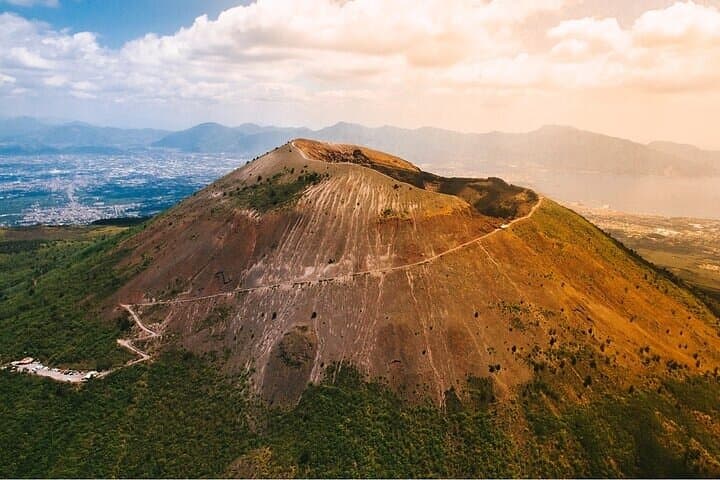
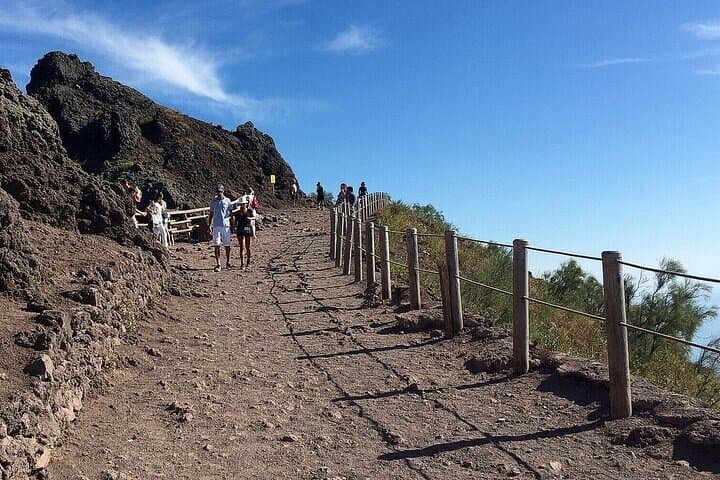
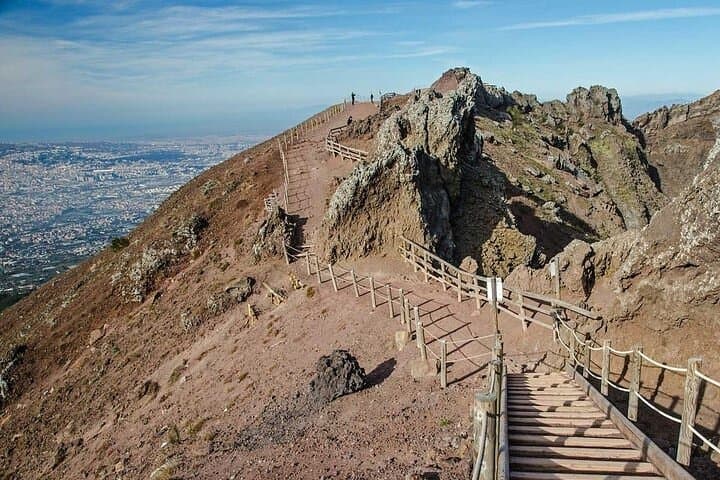
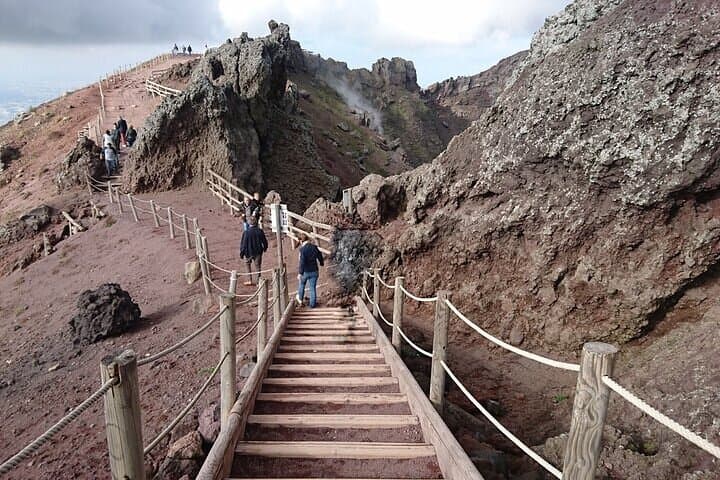
You step out of the air-conditioned van onto a stony slope and the wind on Vesuvius immediately rearranges your plans: it nudges jackets closed and points your eyes toward a low, dark rim. The walk from the parking area to the crater is short but uphill — roughly a 500‑metre trail of volcanic scree that forces a steady pace and rewards every breath with widening views of the Bay of Naples.
You step out of the air-conditioned van onto a stony slope and the wind on Vesuvius immediately rearranges your plans: it nudges jackets closed and points your eyes toward a low, dark rim. The walk from the parking area to the crater is short but uphill — roughly a 500‑metre trail of volcanic scree that forces a steady pace and rewards every breath with widening views of the Bay of Naples.
This volcano shaped regional history; its eruption in 79 AD buried Pompeii and Herculaneum and still defines the coastline’s silhouette. Geologically, Vesuvius is a stratovolcano with layered lava and ash that produce loose, rocky trails and a crater you can walk around — a visible cross-section of explosive volcanic processes.
Culturally, the route remains linked to local life: small restaurants near Pompeii serve a focused, early lunch before the climb, and guides blend natural facts with stories about the eruption’s human impact.
Practical guidance: expect about 1.5 hours on the mountain (part of a 4–5 hour tour), moderate exertion on uneven volcanic ground, and strong winds near the rim. Bring layered windproof clothing, sturdy shoes with good grip, and at least 1 liter of water. Start late morning with the group to avoid pre‑dawn chill and afternoon crowds.
On clear days the crater walk offers panoramic views of Naples, Capri and the Amalfi coastline; when clouds move in the mountain takes on a muted, elemental character that feels alive and changeable. Treat the landscape with respect — stay on marked trails and follow park rules to keep this active monument accessible for others.