THE ADVENTURE COLLECTIVE® · Independent discovery and booking for outdoor travel

Spend a half-day at the Palace of Versailles and its vast formal gardens on a convenient daytrip from Paris—hotel pickup, audio-guided palace access, and time to explore the Grand Trianon and Marie-Antoinette’s Hamlet.
Spend a half-day at the Palace of Versailles and its vast formal gardens on a convenient daytrip from Paris—hotel pickup, audio-guided palace access, and time to explore the Grand Trianon and Marie-Antoinette’s Hamlet.
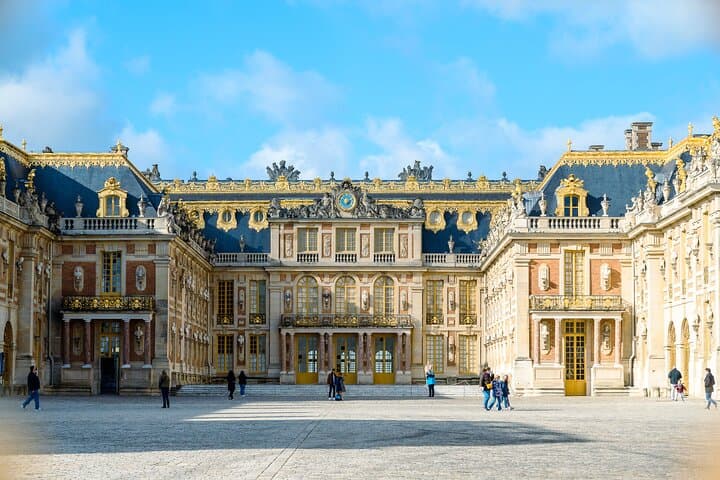
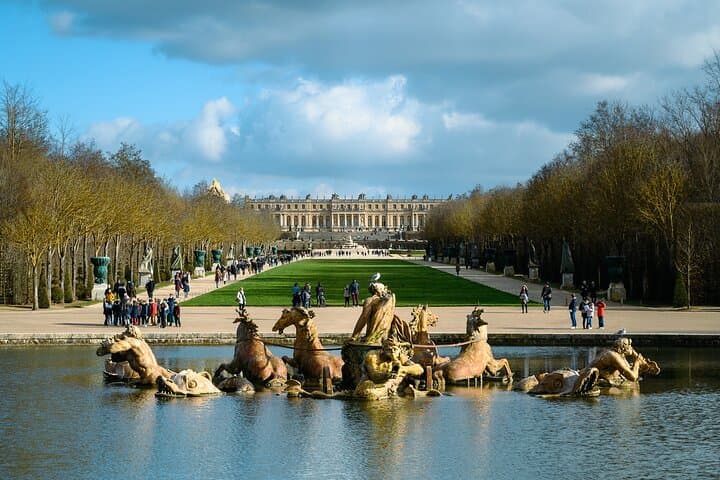
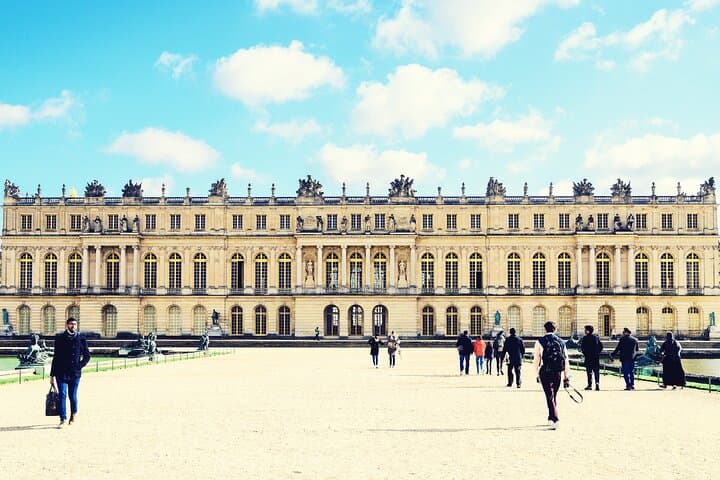
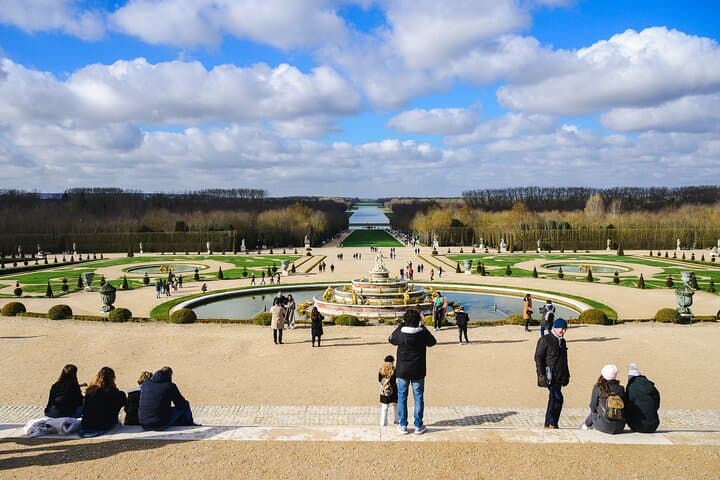
A short drive through Île-de-France deposits travelers at the palace gates where limestone façades catch the morning light and avenues of clipped yew stretch toward the horizon. The sound of fountains and the faint clack of footsteps on gravel set the pace; the estate moves with a polite authority that has governed courtly life for centuries.
Verified experiences and guided adventures in the surrounding area.
Operated by Come & Go Logistics · Versailles, Île-de-France
A short drive through Île-de-France deposits travelers at the palace gates where limestone façades catch the morning light and avenues of clipped yew stretch toward the horizon. The sound of fountains and the faint clack of footsteps on gravel set the pace; the estate moves with a polite authority that has governed courtly life for centuries.
Built up under Louis XIV and extended across the 17th century, the Château de Versailles is as much an artifact of power as it is of design. André Le Nôtre’s gardens—planned from 1661 and shaped over decades—lay out parterres, canals and bosquets that direct sightlines and slow motion. Nearby, the Grand Trianon and Marie-Antoinette’s Hamlet offer quieter corners: a smaller scale of architecture and pastoral playfulness that contrast the palace’s formality.
On a guided daytrip from Paris, logistics are straightforward: hotel pickup, air-conditioned transport and a timed entry with an audio guide for the palace. Expect 6–8 hours total; plan on roughly 4–6 km of walking across paved alleys and compacted gravel with minimal elevation. Peak crowds come midday, so take the palace rooms first, then drift into the gardens when the light softens.
Practical notes: bring comfortable walking shoes, refillable water and sun protection; toilets and a restaurant are on site but queues can form. The visit is broadly accessible but uneven surfaces may slow strollers and wheelchairs. For a fuller experience, set aside extra time for the Trianon estates and check the schedule for fountain or musical displays—when they run, the fountains seem to choreograph the whole park.
easy.
6–8 hours.
Suitable for most fitness levels; expect several hours of walking but minimal elevation gain.
Yes; this daytrip includes entrance fees to the palace and gardens as noted in the itinerary.
An audio guide is provided for the self-guided palace visit and commonly includes multiple language options—confirm language needs at booking.
The sample itinerary reserves time for both the main palace and garden areas; allow extra time if you want a thorough visit of Trianon and the Hamlet.
Most main paths are relatively flat, but some areas have compacted gravel and steps; those with limited mobility should check specific accessibility options in advance.
Versailles grew from a royal hunting lodge into the principal royal residence under Louis XIV; its gardens were reshaped by André Le Nôtre from 1661 onward.
The estate balances heavy visitation with ongoing preservation efforts—stay on marked paths, avoid picking plants and follow local signage to minimize impact.
Come & Go Logistics operates guided outdoor trips and adventures with an emphasis on safety, stewardship, and memorable experiences.
A short drive through Île-de-France deposits travelers at the palace gates where limestone façades catch the morning light and avenues of clipped yew stretch toward the horizon. The sound of fountains and the faint clack of footsteps on gravel set the pace; the estate moves with a polite authority that has governed courtly life for centuries.
A short drive through Île-de-France deposits travelers at the palace gates where limestone façades catch the morning light and avenues of clipped yew stretch toward the horizon. The sound of fountains and the faint clack of footsteps on gravel set the pace; the estate moves with a polite authority that has governed courtly life for centuries.
Built up under Louis XIV and extended across the 17th century, the Château de Versailles is as much an artifact of power as it is of design. André Le Nôtre’s gardens—planned from 1661 and shaped over decades—lay out parterres, canals and bosquets that direct sightlines and slow motion. Nearby, the Grand Trianon and Marie-Antoinette’s Hamlet offer quieter corners: a smaller scale of architecture and pastoral playfulness that contrast the palace’s formality.
On a guided daytrip from Paris, logistics are straightforward: hotel pickup, air-conditioned transport and a timed entry with an audio guide for the palace. Expect 6–8 hours total; plan on roughly 4–6 km of walking across paved alleys and compacted gravel with minimal elevation. Peak crowds come midday, so take the palace rooms first, then drift into the gardens when the light softens.
Practical notes: bring comfortable walking shoes, refillable water and sun protection; toilets and a restaurant are on site but queues can form. The visit is broadly accessible but uneven surfaces may slow strollers and wheelchairs. For a fuller experience, set aside extra time for the Trianon estates and check the schedule for fountain or musical displays—when they run, the fountains seem to choreograph the whole park.