THE ADVENTURE COLLECTIVE® · Independent discovery and booking for outdoor travel

Explore the airborne story of D‑Day on a half-day private tour from Bayeux. Visit Sainte‑Mère‑Église, Utah Beach and Angoville‑au‑Plain while learning how paratroopers shaped the landings and local landscape.
Explore the airborne story of D‑Day on a half-day private tour from Bayeux. Visit Sainte‑Mère‑Église, Utah Beach and Angoville‑au‑Plain while learning how paratroopers shaped the landings and local landscape.
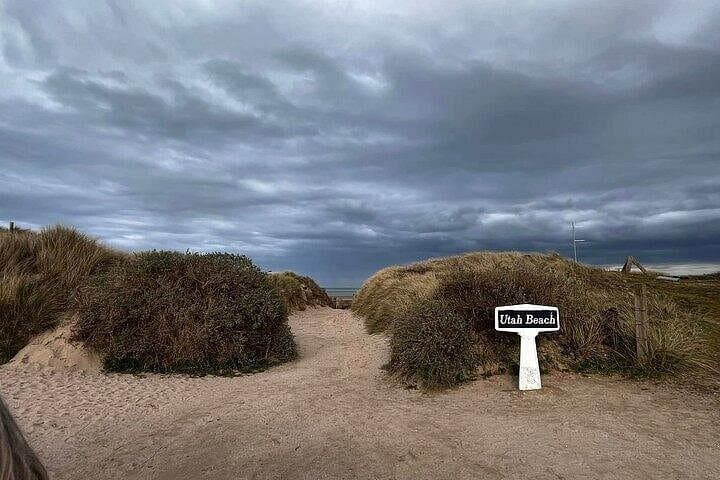
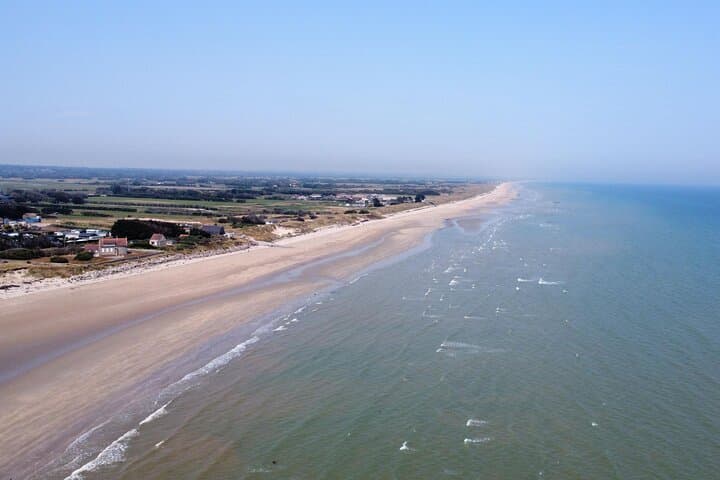
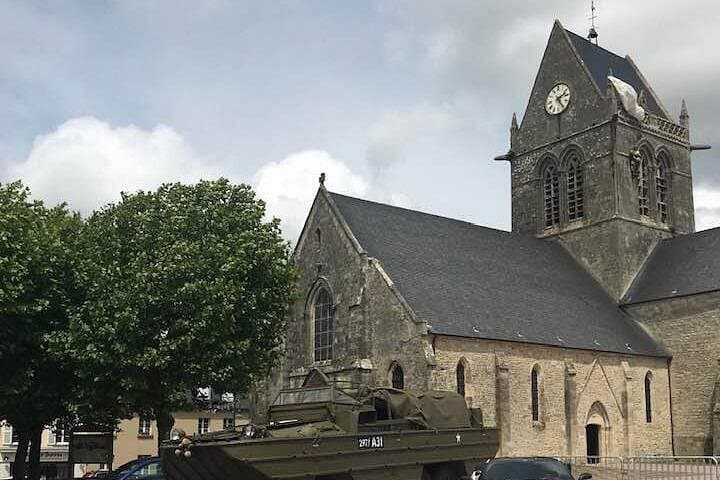
The morning drive from Bayeux opens onto a coastline that still holds the imprint of June 6, 1944: low dunes, flat sands and bocage hedgerows that once funneled men and machines. You arrive first in Sainte-Mère-Église, where cobbled lanes and a church spire—still marked in memory by a paratrooper legend—anchor the airborne story.
Verified experiences and guided adventures in the surrounding area.
Operated by Destination Normandy - Dominique Fiquet · Bayeux, Normandy
The morning drive from Bayeux opens onto a coastline that still holds the imprint of June 6, 1944: low dunes, flat sands and bocage hedgerows that once funneled men and machines. You arrive first in Sainte-Mère-Église, where cobbled lanes and a church spire—still marked in memory by a paratrooper legend—anchor the airborne story.
This half-day tour focuses on the airborne phase of D‑Day and how paratroopers shaped the assault on Utah Beach. History and landscape arrive together: the hedged fields (bocage) that slowed armor, the patchwork marshes that funneled movement, and the broad plain that gave the 4th Infantry Division a landing zone. Geology here is simple—sand, silt and reclaimed marsh—but its flatness magnified tactical choices and preserved craters and tracks from 1944.
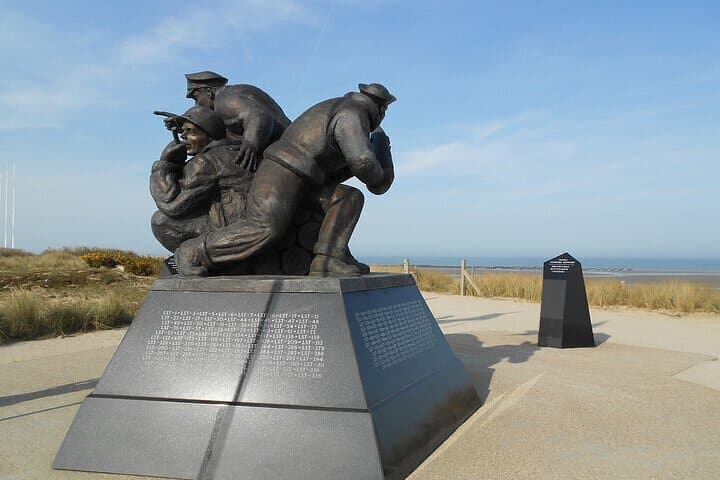
Local culture is quietly present in village memorials, small museums and farm churches like Angoville‑au‑Plain, where two medics famously treated soldiers of both sides. The Musée Utah Beach and the Airborne Museum in Sainte‑Mère‑Église provide context; the towns themselves show everyday Normandy life—markets, stone houses and lanes cleared by wind and tide.
Practical guidance: the tour is largely by vehicle with short on-foot stops—expect 1–3 km of walking on sand, grass and village streets, minimal elevation gain. Wear sturdy, closed-toe shoes, layer for wind off the Channel, and bring a waterproof layer. Allow time for quiet reflection at memorials, keep to marked paths to protect dunes and farmland, and plan photography early or late in the day for softer light and fewer coach groups.
moderate.
4 hours.
Moderate fitness for short walks on sand and uneven village streets; mostly short, low‑intensity stops.
This private half‑day tour runs about four hours and includes stops in Sainte‑Mère‑Église, Utah Beach and Angoville‑au‑Plain, with commentary on airborne operations and the 4th Infantry landings.
Walking is limited to short onsite visits—typically 1–3 km total—on sand, grass and village streets; moderate fitness is advised.
Stops commonly include exterior views and commentary; check with your operator about museum entries and whether fees are included in your booking.
Yes, this is offered as a private tour and guides can adjust stops and focus to suit interests, but confirm any special requests at booking.
The tour focuses on airborne operations of June 6, 1944—paratroopers seized key crossroads around Sainte‑Mère‑Église to support the Utah Beach landings; Angoville‑au‑Plain is known for medics who treated wounded soldiers from both sides.
Coastal dune and marsh habitats are fragile; stay on marked paths, avoid disturbing wildlife and follow local signage around memorials to preserve both nature and history.
Destination Normandy - Dominique Fiquet operates guided outdoor trips and adventures with an emphasis on safety, stewardship, and memorable experiences.
The morning drive from Bayeux opens onto a coastline that still holds the imprint of June 6, 1944: low dunes, flat sands and bocage hedgerows that once funneled men and machines. You arrive first in Sainte-Mère-Église, where cobbled lanes and a church spire—still marked in memory by a paratrooper legend—anchor the airborne story.
The morning drive from Bayeux opens onto a coastline that still holds the imprint of June 6, 1944: low dunes, flat sands and bocage hedgerows that once funneled men and machines. You arrive first in Sainte-Mère-Église, where cobbled lanes and a church spire—still marked in memory by a paratrooper legend—anchor the airborne story.
This half-day tour focuses on the airborne phase of D‑Day and how paratroopers shaped the assault on Utah Beach. History and landscape arrive together: the hedged fields (bocage) that slowed armor, the patchwork marshes that funneled movement, and the broad plain that gave the 4th Infantry Division a landing zone. Geology here is simple—sand, silt and reclaimed marsh—but its flatness magnified tactical choices and preserved craters and tracks from 1944.
Local culture is quietly present in village memorials, small museums and farm churches like Angoville‑au‑Plain, where two medics famously treated soldiers of both sides. The Musée Utah Beach and the Airborne Museum in Sainte‑Mère‑Église provide context; the towns themselves show everyday Normandy life—markets, stone houses and lanes cleared by wind and tide.
Practical guidance: the tour is largely by vehicle with short on-foot stops—expect 1–3 km of walking on sand, grass and village streets, minimal elevation gain. Wear sturdy, closed-toe shoes, layer for wind off the Channel, and bring a waterproof layer. Allow time for quiet reflection at memorials, keep to marked paths to protect dunes and farmland, and plan photography early or late in the day for softer light and fewer coach groups.