THE ADVENTURE COLLECTIVE® · Independent discovery and booking for outdoor travel

A private half‑day from Lijiang delivers a concentrated visit to the upper Tiger Leaping Gorge: a 2‑hour drive, 1.5–2 hours of walking along a plank road, and a front‑row view of the Jinsha River splitting around a 13‑meter rock. Practical transport, guide, and entrance are included.
A private half‑day from Lijiang delivers a concentrated visit to the upper Tiger Leaping Gorge: a 2‑hour drive, 1.5–2 hours of walking along a plank road, and a front‑row view of the Jinsha River splitting around a 13‑meter rock. Practical transport, guide, and entrance are included.
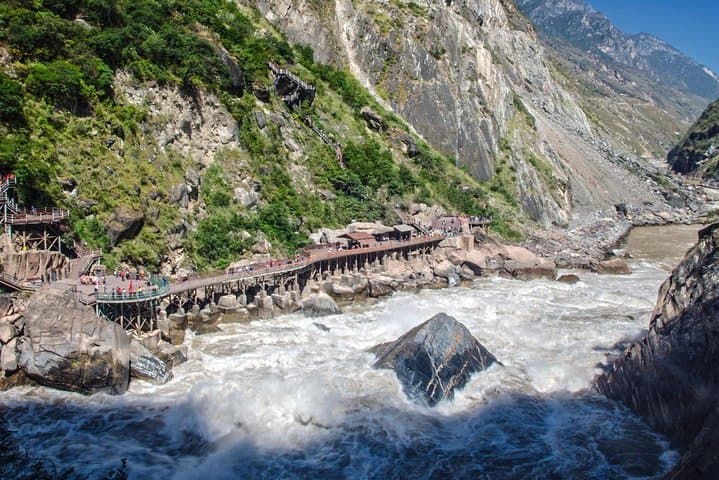
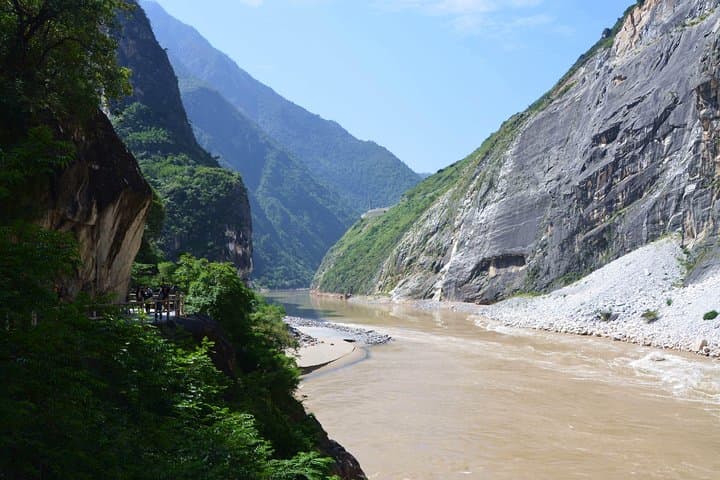
You step off the train in Lijiang and the air carries the dry, stony smell of the river valley. A private driver waits and, after a two‑hour drive up into the Hengduan foothills, you arrive at the mouth of Tiger Leaping Gorge. Below, the Jinsha River hurls itself through a narrowing carved from millennia of uplift and runoff; waves slam the banks and a solitary 13‑meter rock splits the torrent into two white‑capped branches.
Verified experiences and guided adventures in the surrounding area.
Operated by happychinatours · Lijiang, Yunnan
You step off the train in Lijiang and the air carries the dry, stony smell of the river valley. A private driver waits and, after a two‑hour drive up into the Hengduan foothills, you arrive at the mouth of Tiger Leaping Gorge. Below, the Jinsha River hurls itself through a narrowing carved from millennia of uplift and runoff; waves slam the banks and a solitary 13‑meter rock splits the torrent into two white‑capped branches.
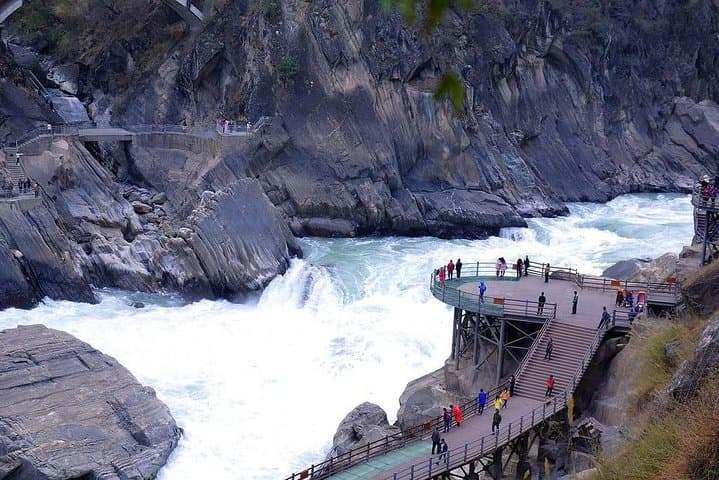
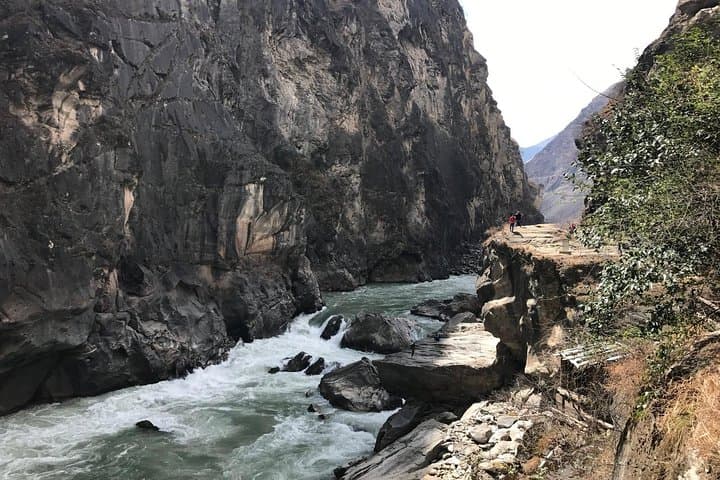
Geology here is raw—steep limestone and schist walls compressed by tectonic collision, sliced by the river until the canyon drops away almost vertically. Culturally, this stretch sits on the edge of Naxi and Tibetan regions and formed part of centuries‑old trade routes that threaded tea and horses through these mountains. The upper gorge is the most accessible section for a focused stop: a 15–20 minute plank walk along the valley floor leads to a viewing platform positioned opposite the dramatic rock and the roaring current.
Expect 1.5–2 hours on foot exploring the plank road and viewpoints, with time to photograph the split rock and the surges of the Jinsha River. Practicalities matter: trains must arrive before 14:00 to fit the round trip, and the tour includes private car, guide, and entrance ticket. Wear grippy shoes for uneven boards, bring layered outerwear against valley wind, and carry water and sunscreen—the river gives no shade. The guide manages logistics and drives you back to Lijiang/Shuhe after the visit, leaving you with a compact, high‑impact taste of one of China’s most dramatic river canyons.
moderate.
4–6 hours.
Moderate fitness; able to walk 1–2 miles on uneven terrain with short elevation changes.
The drive to the upper Tiger Leaping Gorge is about 2 hours (~80 km) each way; plan the tour as a half‑day outing.
Yes—the tour description specifies that the guide purchases the entrance ticket for the group.
Expect a 1.5–2 hour walk along the plank road and viewing platforms with short, easy sections of uneven footing.
The tour notes it’s not recommended for travelers with serious spinal or cardiovascular issues; stroller and wheelchair access can be limited on the plank sections.
The gorge lies along historic trade and transit corridors between Yunnan and Tibetan regions; local Naxi and Tibetan communities shaped trails and culture for centuries.
Erosion control and visitor management are active concerns; stay on designated paths to reduce trail damage and pack out waste to protect the fragile canyon environment.
happychinatours operates guided outdoor trips and adventures with an emphasis on safety, stewardship, and memorable experiences.
You step off the train in Lijiang and the air carries the dry, stony smell of the river valley. A private driver waits and, after a two‑hour drive up into the Hengduan foothills, you arrive at the mouth of Tiger Leaping Gorge. Below, the Jinsha River hurls itself through a narrowing carved from millennia of uplift and runoff; waves slam the banks and a solitary 13‑meter rock splits the torrent into two white‑capped branches.
You step off the train in Lijiang and the air carries the dry, stony smell of the river valley. A private driver waits and, after a two‑hour drive up into the Hengduan foothills, you arrive at the mouth of Tiger Leaping Gorge. Below, the Jinsha River hurls itself through a narrowing carved from millennia of uplift and runoff; waves slam the banks and a solitary 13‑meter rock splits the torrent into two white‑capped branches.
Geology here is raw—steep limestone and schist walls compressed by tectonic collision, sliced by the river until the canyon drops away almost vertically. Culturally, this stretch sits on the edge of Naxi and Tibetan regions and formed part of centuries‑old trade routes that threaded tea and horses through these mountains. The upper gorge is the most accessible section for a focused stop: a 15–20 minute plank walk along the valley floor leads to a viewing platform positioned opposite the dramatic rock and the roaring current.
Expect 1.5–2 hours on foot exploring the plank road and viewpoints, with time to photograph the split rock and the surges of the Jinsha River. Practicalities matter: trains must arrive before 14:00 to fit the round trip, and the tour includes private car, guide, and entrance ticket. Wear grippy shoes for uneven boards, bring layered outerwear against valley wind, and carry water and sunscreen—the river gives no shade. The guide manages logistics and drives you back to Lijiang/Shuhe after the visit, leaving you with a compact, high‑impact taste of one of China’s most dramatic river canyons.