THE ADVENTURE COLLECTIVE® · Independent discovery and booking for outdoor travel

Explore Ubud in a single, flexible half-day: long-tailed macaques in a sacred forest, rice terraces shaped by ancient subak irrigation, the ornate Ubud Palace, and the spray of Tegenungan waterfall. This private car charter pairs cultural stops with short, scenic walks and hotel pickup.
Explore Ubud in a single, flexible half-day: long-tailed macaques in a sacred forest, rice terraces shaped by ancient subak irrigation, the ornate Ubud Palace, and the spray of Tegenungan waterfall. This private car charter pairs cultural stops with short, scenic walks and hotel pickup.
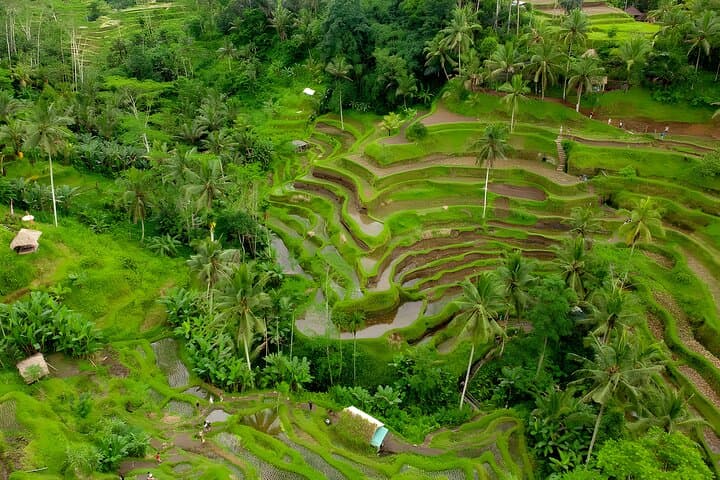
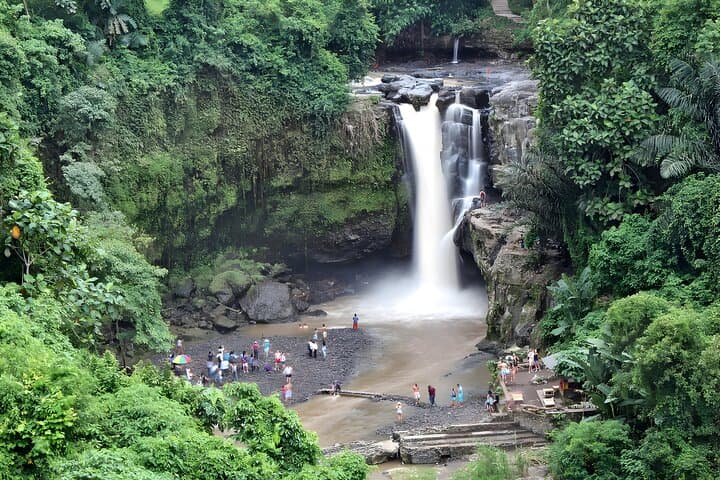
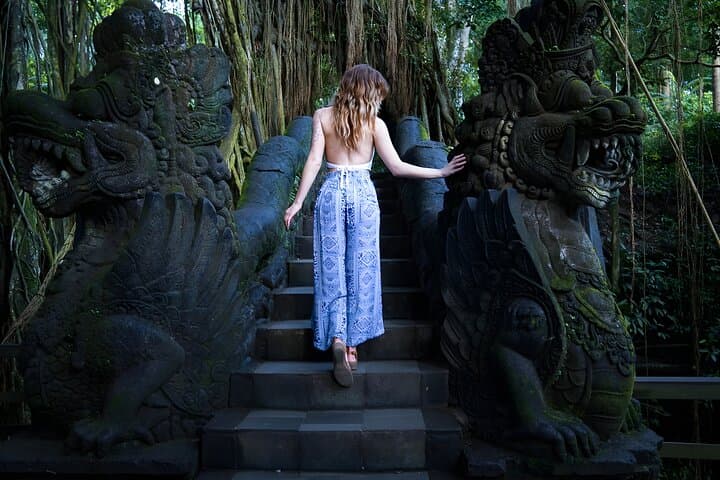
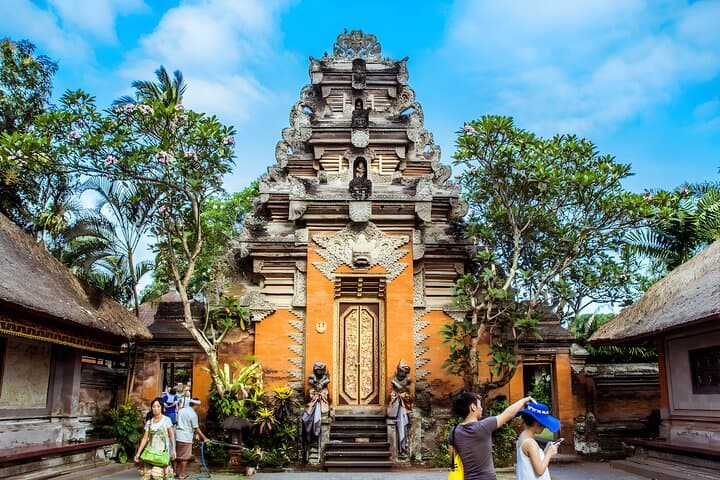
You step out of an air-conditioned car onto a sun-warmed lane and the scent of frangipani and wet earth pulls you toward Ubud’s center. The tour moves like a local rhythm: a quick, guided loop through the Monkey Forest’s vines and stone shrines, past the low, ornate walls of the Ubud Palace, then up toward the sculpted lines of Tegalalang’s rice terraces and the thunder of Tegenungan waterfall in a tropical ravine.
Verified experiences and guided adventures in the surrounding area.
Operated by Bali Sky Tour · Ubud, Bali
You step out of an air-conditioned car onto a sun-warmed lane and the scent of frangipani and wet earth pulls you toward Ubud’s center. The tour moves like a local rhythm: a quick, guided loop through the Monkey Forest’s vines and stone shrines, past the low, ornate walls of the Ubud Palace, then up toward the sculpted lines of Tegalalang’s rice terraces and the thunder of Tegenungan waterfall in a tropical ravine.
Ubud sits on Bali’s central plateau where volcanic soils and human engineering created the island’s famed subak irrigation system — a cooperative water management tradition with roots going back centuries and still visible in the terrace contours at Tegalalang. The Ubud Palace, rebuilt and maintained by royal heirs since the early 19th century, anchors the town’s cultural life and evening dance performances.
Geologically, the terraces trace gentle valley slopes carved by small rivers; Tegenungan drops roughly 15–20 meters along the Petanu river, its spray cooling the gorge. Culturally, the area is village-run: the Monkey Forest and many vantage points are managed by local councils, so entry fees and rules support stewardship.
Practicalities are straightforward: allow 6–7 hours for a half-day private charter with hotel pickup, bring sunscreen, good shoes for short walks, and cash for small entrance fees and tips. Start early to avoid midday heat and larger crowds at photo points. Keep cameras ready but secure around macaques — they’re curious and fast. A private vehicle with an English-speaking driver gives flexibility to linger or skip stops depending on your pace.
easy.
6–7 hours.
No special fitness required beyond walking short uneven paths and stairs; suitable for most travelers.
The private half-day charter runs about 6–7 hours (360–420 minutes) including hotel pickup and drop-off.
Entrance tickets are not always included; check your booking option or bring cash to purchase specific site tickets.
Yes—this is a low-impact, private vehicle tour with short walks; tell the operator about mobility needs when booking.
Yes—the private driver can tailor stops and recommend local restaurants; communicate preferences at booking or with the driver.
Ubud’s terraces are shaped by Bali’s subak irrigation tradition, a cooperative system with roots in early Hindu-Balinese society; the Ubud Palace dates to leadership in the early 19th century.
Many sites are village-managed; entrance fees and respectful behavior help fund maintenance and reduce waste—avoid single-use plastics and follow posted rules.
Bali Sky Tour operates guided outdoor trips and adventures with an emphasis on safety, stewardship, and memorable experiences.
You step out of an air-conditioned car onto a sun-warmed lane and the scent of frangipani and wet earth pulls you toward Ubud’s center. The tour moves like a local rhythm: a quick, guided loop through the Monkey Forest’s vines and stone shrines, past the low, ornate walls of the Ubud Palace, then up toward the sculpted lines of Tegalalang’s rice terraces and the thunder of Tegenungan waterfall in a tropical ravine.
You step out of an air-conditioned car onto a sun-warmed lane and the scent of frangipani and wet earth pulls you toward Ubud’s center. The tour moves like a local rhythm: a quick, guided loop through the Monkey Forest’s vines and stone shrines, past the low, ornate walls of the Ubud Palace, then up toward the sculpted lines of Tegalalang’s rice terraces and the thunder of Tegenungan waterfall in a tropical ravine.
Ubud sits on Bali’s central plateau where volcanic soils and human engineering created the island’s famed subak irrigation system — a cooperative water management tradition with roots going back centuries and still visible in the terrace contours at Tegalalang. The Ubud Palace, rebuilt and maintained by royal heirs since the early 19th century, anchors the town’s cultural life and evening dance performances.
Geologically, the terraces trace gentle valley slopes carved by small rivers; Tegenungan drops roughly 15–20 meters along the Petanu river, its spray cooling the gorge. Culturally, the area is village-run: the Monkey Forest and many vantage points are managed by local councils, so entry fees and rules support stewardship.
Practicalities are straightforward: allow 6–7 hours for a half-day private charter with hotel pickup, bring sunscreen, good shoes for short walks, and cash for small entrance fees and tips. Start early to avoid midday heat and larger crowds at photo points. Keep cameras ready but secure around macaques — they’re curious and fast. A private vehicle with an English-speaking driver gives flexibility to linger or skip stops depending on your pace.