THE ADVENTURE COLLECTIVE® · Independent discovery and booking for outdoor travel

Stand where ancient Maya watched the Caribbean. This compact, two-hour guided tour from Cancun delivers coastal archaeology, cliffside views, and clear context on Tulum’s role as a trading port—ideal for travelers short on time.
Stand where ancient Maya watched the Caribbean. This compact, two-hour guided tour from Cancun delivers coastal archaeology, cliffside views, and clear context on Tulum’s role as a trading port—ideal for travelers short on time.
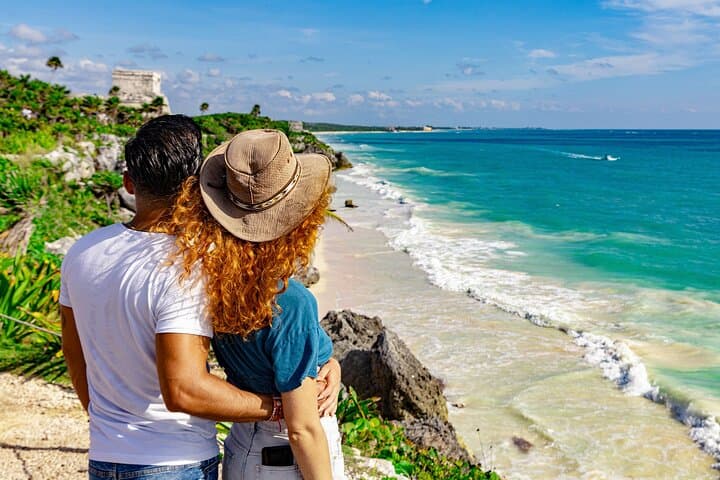
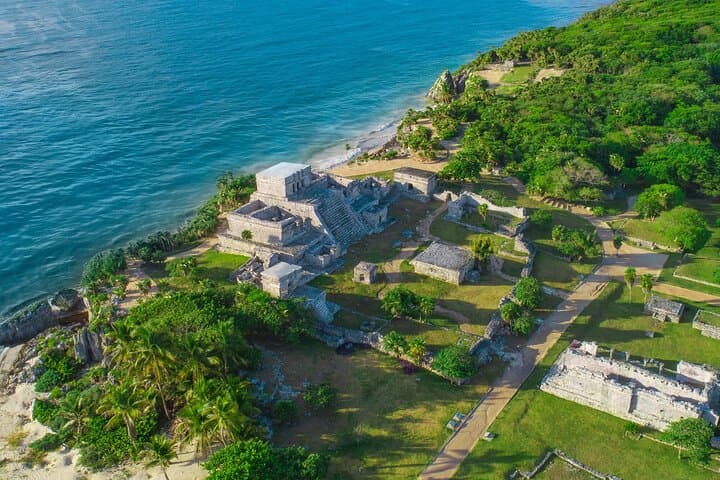
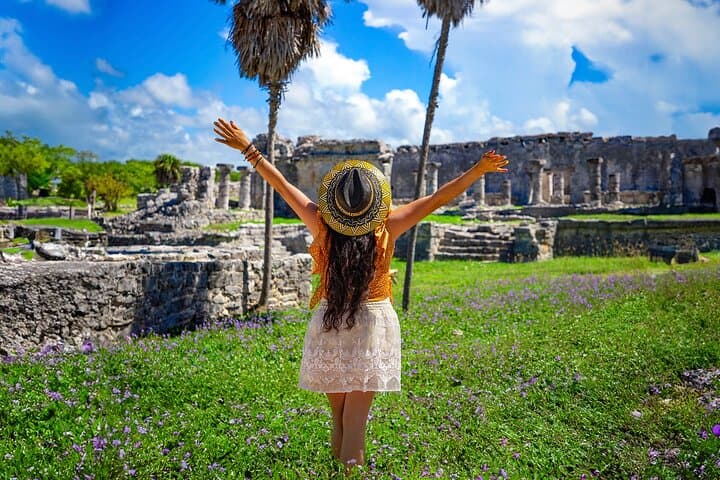
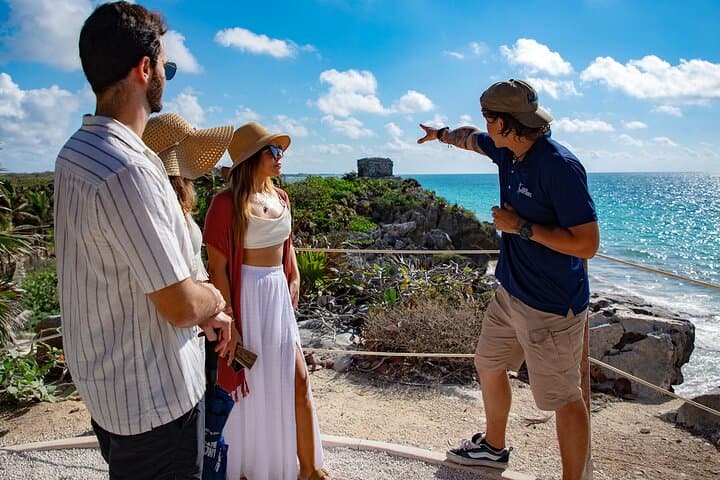
You step out of the van and the Caribbean wind hits first—salty, warm, and carrying the faint drift of seaweed and history. The Tulum ruins sit on a low limestone bluff, surf pounding at the reef below as iguanas sun on crumbled steps. For two hours a guide leads a compact group along the stone plazas, pointing out temples that face the sea and the cliffside watchtower that once scanned for trading canoes.
Verified experiences and guided adventures in the surrounding area.
Operated by Cancun Adventures · Tulum, Quintana Roo
You step out of the van and the Caribbean wind hits first—salty, warm, and carrying the faint drift of seaweed and history. The Tulum ruins sit on a low limestone bluff, surf pounding at the reef below as iguanas sun on crumbled steps. For two hours a guide leads a compact group along the stone plazas, pointing out temples that face the sea and the cliffside watchtower that once scanned for trading canoes.
This coastal site was an active Maya port in the Late Postclassic period (roughly 13th–16th centuries), strategically perched where the reef and currents funneled maritime traffic. Geologically it’s a coral limestone coast—fragile cliffs, porous ground, and cayes offshore—so structures were built from local stone and lime mortar. Culturally, Tulum displays port-city life: defensive walls, merchant influence, and painted stucco traces that hint at once-vibrant color.
On a short guided visit you’ll get context—religion, trade routes, and daily life—plus practical notes on preservation: no drones, limited tripods, and refillable bottles only inside the site. Morning visits avoid heat and peak tour congestion; late afternoons offer softer light but stronger winds.
Plan lightweight footwear for uneven stone, sun protection, and a refillable bottle (required on-site). The tour includes round-trip transport from most Cancun and Riviera Maya hotels and bilingual guides, making logistics straightforward if you’re short on time but curious about Mayan coastal life. Respect barriers, keep voices down near fragile murals, and leave more time afterward if you want to stroll the nearby beach or explore Tulum town’s restaurants.
easy.
2 hours.
Suitable for most fitness levels; expect short walks and some uneven ground on the site.
The guided portion at the archaeological site is approximately 2 hours; the full round trip from most hotels in Cancun or Riviera Maya depends on pickup location.
Yes, admission is included in this tour offering, but additional fees may apply for GoPros, tablets, or selfie sticks at the site box office.
Swimming is possible at nearby beaches but access immediately below the main cliff is limited for preservation; ask your guide about designated swimming spots after the tour.
Tours are suitable for children aged 4 and older; the site has uneven terrain and steps and is not recommended for guests with limited mobility.
Tulum was one of the last major Maya cities occupied and served as a fortified trading port that connected maritime routes with inland Maya communities.
The site is sensitive to erosion and visitor impact; policies limit single-use plastics, drones, and professional gear to protect stonework and fragile coastal ecology.
Cancun Adventures operates guided outdoor trips and adventures with an emphasis on safety, stewardship, and memorable experiences.
You step out of the van and the Caribbean wind hits first—salty, warm, and carrying the faint drift of seaweed and history. The Tulum ruins sit on a low limestone bluff, surf pounding at the reef below as iguanas sun on crumbled steps. For two hours a guide leads a compact group along the stone plazas, pointing out temples that face the sea and the cliffside watchtower that once scanned for trading canoes.
You step out of the van and the Caribbean wind hits first—salty, warm, and carrying the faint drift of seaweed and history. The Tulum ruins sit on a low limestone bluff, surf pounding at the reef below as iguanas sun on crumbled steps. For two hours a guide leads a compact group along the stone plazas, pointing out temples that face the sea and the cliffside watchtower that once scanned for trading canoes.
This coastal site was an active Maya port in the Late Postclassic period (roughly 13th–16th centuries), strategically perched where the reef and currents funneled maritime traffic. Geologically it’s a coral limestone coast—fragile cliffs, porous ground, and cayes offshore—so structures were built from local stone and lime mortar. Culturally, Tulum displays port-city life: defensive walls, merchant influence, and painted stucco traces that hint at once-vibrant color.
On a short guided visit you’ll get context—religion, trade routes, and daily life—plus practical notes on preservation: no drones, limited tripods, and refillable bottles only inside the site. Morning visits avoid heat and peak tour congestion; late afternoons offer softer light but stronger winds.
Plan lightweight footwear for uneven stone, sun protection, and a refillable bottle (required on-site). The tour includes round-trip transport from most Cancun and Riviera Maya hotels and bilingual guides, making logistics straightforward if you’re short on time but curious about Mayan coastal life. Respect barriers, keep voices down near fragile murals, and leave more time afterward if you want to stroll the nearby beach or explore Tulum town’s restaurants.