THE ADVENTURE COLLECTIVE® · Independent discovery and booking for outdoor travel

Explore Tulum’s cliffside ruins with a guide, then cool off in a nearby cenote on this focused half‑day tour. Perfect for travelers who want history, geology, and a refreshing swim in one outing.
Explore Tulum’s cliffside ruins with a guide, then cool off in a nearby cenote on this focused half‑day tour. Perfect for travelers who want history, geology, and a refreshing swim in one outing.
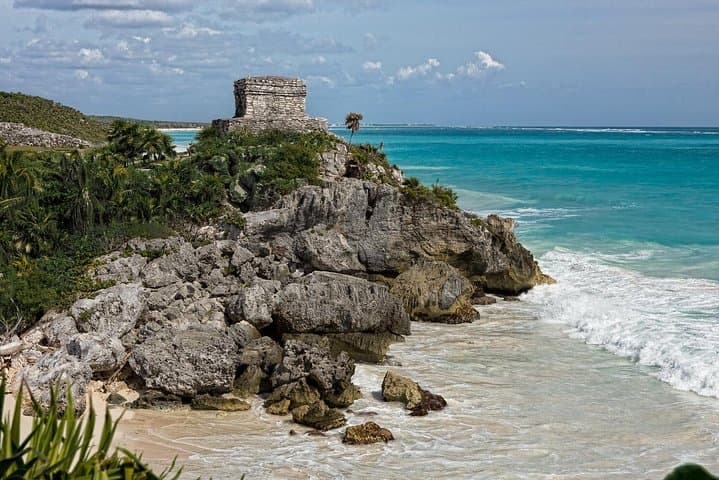
The morning light hits the low limestone bluff and the Caribbean answers with a slow, turquoise pulse. Walkers on the cliff feel the trade wind pushing memories of an ancient port city toward them as guidebooks and gulls share the viewpoint above the sea.
Verified experiences and guided adventures in the surrounding area.
Operated by My Caribbean Deals · Tulum, Quintana Roo
The morning light hits the low limestone bluff and the Caribbean answers with a slow, turquoise pulse. Walkers on the cliff feel the trade wind pushing memories of an ancient port city toward them as guidebooks and gulls share the viewpoint above the sea.
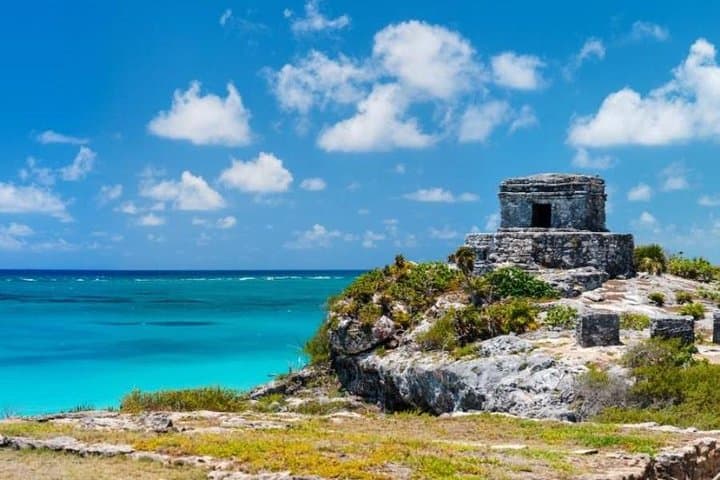
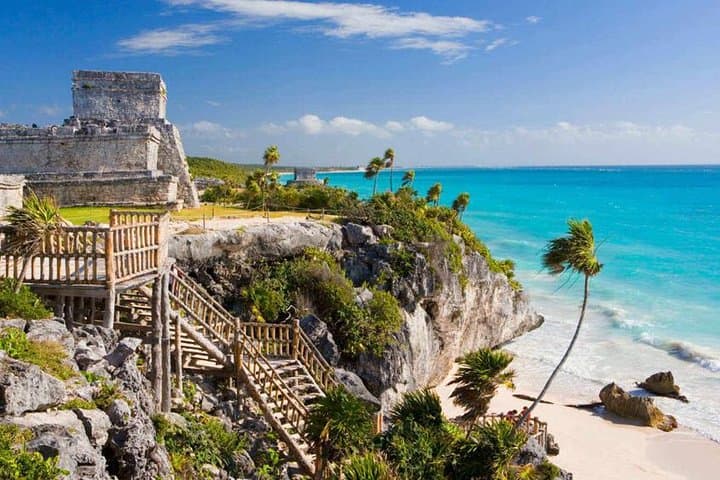
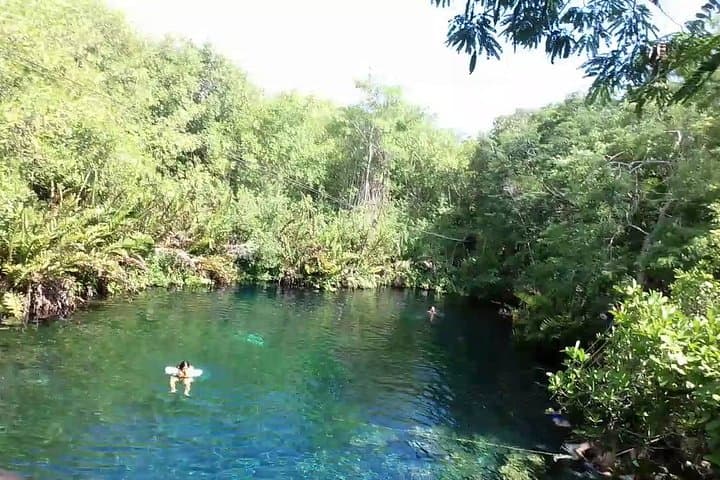
This half-day tour pairs a guided visit to the Tulum archaeological site — a Late Postclassic Maya coastal stronghold and trading hub — with a swim in a nearby cenote, a collapsed limestone sinkhole fed by the Yucatán’s underground rivers. The ruins sit on a narrow coastal terrace; El Castillo overlooks the water while the Temple of the Frescoes holds painted fragments of ritual life. Cenotes expose the region’s porous geology: clear, cool water, karst formations, and sometimes cavern passages where light shafts pick out suspended mineral dust.
Culturally, Tulum remains a place of pilgrimage and commerce; vendors near the site sell handwoven textiles and freshly caught ceviche. Environmentally, cenotes are fragile freshwater reservoirs — avoid non‑reef‑safe sunscreens and don’t disturb the cave formations.
Practical guidance: the tour runs about six hours, includes entrance fees, bottled water, air‑conditioned transfers, and a guide, and typically groups up to 14. Expect uneven stone paths and several stair sections at the ruins; the cenote swim is moderate and may require a short walk and steps into the water. Bring swimwear, a towel, reef‑safe sunscreen, sturdy closed‑toe shoes for the ruins, cash for souvenirs, and a light change of clothes. If you have back or heart conditions, check the provider’s restrictions before booking. Early starts beat the heat and the crowds, and a midday dip in a cenote can feel like stepping into underground silence.
easy.
6 hours.
Suitable for most fitness levels; requires short walks, stair climbs, and a moderate swim
The tour is approximately six hours, including transfers, the guided ruins visit (about 2 hours), and a 60‑minute cenote stop.
Yes — the tour includes time to swim; expect steps or a short walk to access the water and check with staff about depth and safety.
Yes — entrance to the ruins and the cenote, bottled water, and air‑conditioned transfers are included in the tour price.
Families are welcome; infants may ride in strollers but must sit on laps per provider rules — confirm age limits with the operator when booking.
Tulum was a Late Postclassic Maya port and trading center, strategically placed on a coastal bluff for defensive and maritime access.
Cenotes are delicate freshwater systems; use reef‑safe products, avoid litter, and follow guide instructions to minimize impact.
My Caribbean Deals operates guided outdoor trips and adventures with an emphasis on safety, stewardship, and memorable experiences.
The morning light hits the low limestone bluff and the Caribbean answers with a slow, turquoise pulse. Walkers on the cliff feel the trade wind pushing memories of an ancient port city toward them as guidebooks and gulls share the viewpoint above the sea.
The morning light hits the low limestone bluff and the Caribbean answers with a slow, turquoise pulse. Walkers on the cliff feel the trade wind pushing memories of an ancient port city toward them as guidebooks and gulls share the viewpoint above the sea.
This half-day tour pairs a guided visit to the Tulum archaeological site — a Late Postclassic Maya coastal stronghold and trading hub — with a swim in a nearby cenote, a collapsed limestone sinkhole fed by the Yucatán’s underground rivers. The ruins sit on a narrow coastal terrace; El Castillo overlooks the water while the Temple of the Frescoes holds painted fragments of ritual life. Cenotes expose the region’s porous geology: clear, cool water, karst formations, and sometimes cavern passages where light shafts pick out suspended mineral dust.
Culturally, Tulum remains a place of pilgrimage and commerce; vendors near the site sell handwoven textiles and freshly caught ceviche. Environmentally, cenotes are fragile freshwater reservoirs — avoid non‑reef‑safe sunscreens and don’t disturb the cave formations.
Practical guidance: the tour runs about six hours, includes entrance fees, bottled water, air‑conditioned transfers, and a guide, and typically groups up to 14. Expect uneven stone paths and several stair sections at the ruins; the cenote swim is moderate and may require a short walk and steps into the water. Bring swimwear, a towel, reef‑safe sunscreen, sturdy closed‑toe shoes for the ruins, cash for souvenirs, and a light change of clothes. If you have back or heart conditions, check the provider’s restrictions before booking. Early starts beat the heat and the crowds, and a midday dip in a cenote can feel like stepping into underground silence.