THE ADVENTURE COLLECTIVE® · Independent discovery and booking for outdoor travel

Spend five hours tracing the coastline history of Tulum, snorkeling in the glass-clear Gran Cenote, and finishing with a real local lunch at Tacos Honorio. This private, half-day tour blends Mayan ruins, freshwater caverns, and authentic Yucatecan flavor.
Spend five hours tracing the coastline history of Tulum, snorkeling in the glass-clear Gran Cenote, and finishing with a real local lunch at Tacos Honorio. This private, half-day tour blends Mayan ruins, freshwater caverns, and authentic Yucatecan flavor.
You arrive before the humidity fully wakes — air still cool in the private van as palms slide by and the limestone plain opens toward the Caribbean. Ten minutes after pickup you step onto the flagstone path that leads to the Tulum Ruins, where weathered stucco and stone sit razor-close to the sea. The wind off the water pushes and pulls at the palms like a tide, and the cliff edge frames El Castillo as if it’s daring you to look away.
Verified experiences and guided adventures in the surrounding area.
Operated by Mexico Sol Tours · Tulum, Quintana Roo
You arrive before the humidity fully wakes — air still cool in the private van as palms slide by and the limestone plain opens toward the Caribbean. Ten minutes after pickup you step onto the flagstone path that leads to the Tulum Ruins, where weathered stucco and stone sit razor-close to the sea. The wind off the water pushes and pulls at the palms like a tide, and the cliff edge frames El Castillo as if it’s daring you to look away.
This half-day tour stitches together three distinct threads of the Yucatán: the archaeology of a Mayan port city, the karst geology of a cenote, and the humble, robust flavors of local tacos. Tulum was an important coastal outpost between the 13th and 16th centuries; its temples functioned as beacons for trading canoes and ceremonial observances. Beneath the ground, porous limestone shaped by millennia of rainwater collapse gives the region its cenotes — freshwater sinkholes where caverns and stalactites meet bright surface pools.
At Gran Cenote the water is clear enough to make decisions — you can’t help but notice the brightness beneath your fins. The sinkhole combines open-air pools and cavern passages. Freshwater turtles and small fish navigate the shade; sunlight punctures the surface and paints rippling patterns along the walls. It’s a geology lesson and a quiet swim in one: the cenote is an exposed window into the aquifer that feeds the peninsula.
Culturally the tour closes at Tacos Honorio, a low-key local favorite where al pastor and cochinita pibil arrive on warm tortillas and plate-spattered salsa invites debate. It’s where guide chatter turns from dates and facts into recommendations for the best street vendors and the map of little-known cenotes dotted inland.
Practical guidance: the whole experience runs about five hours — roughly 90 minutes at the ruins, 60 minutes swimming at Gran Cenote, and 60–90 minutes for transit and lunch. Terrain at Tulum is mostly flat with sandy and compacted paths and some stone steps at cliff viewpoints; bring shoes that handle sand and occasional slick rock. The cenote involves shallow entry and deeper snorkel sections; life jackets are provided and fins are intentionally not supplied to protect underwater life. Expect tropical sun — even in the shade the humidity will sap water fast.
Timing matters: early departures avoid crowds at the ruins and show the cenote at its clearest. Hydration, reef-safe sunscreen, and a light towel will make the day comfortable — and leave room for an extra taco.
easy.
5 hours.
Suitable for most fitness levels; participants should be comfortable walking short distances, climbing a few steps, and swimming or floating for a short period.
Yes — private, air-conditioned round-trip van pickup is included from your hotel or a confirmed meeting point.
Basic swimming comfort is recommended; life jackets are provided and guides supervise cenote areas.
Yes — all necessary admission fees for Tulum Ruins and Gran Cenote are included in the tour price.
No — fins are not provided to reduce impact on delicate underwater environments in the cenote.
The tour is rated easy and suitable for most ages, but mobility-limited guests should note stone steps and uneven ground at the ruins and descent areas at the cenote.
The lunch stop at Tacos Honorio can accommodate common requests — notify the operator in advance so the restaurant can prepare alternatives.
Tulum flourished as a coastal trading and ceremonial center during the late Postclassic Mayan period (c. 1200–1521 CE), its cliffs offering both defense and a maritime outlook.
The region relies on careful visitor management — use reef-safe products, avoid touching formations in cenotes, and follow guide instructions to limit erosion and biological impact.
Mexico Sol Tours operates guided outdoor trips and adventures with an emphasis on safety, stewardship, and memorable experiences.
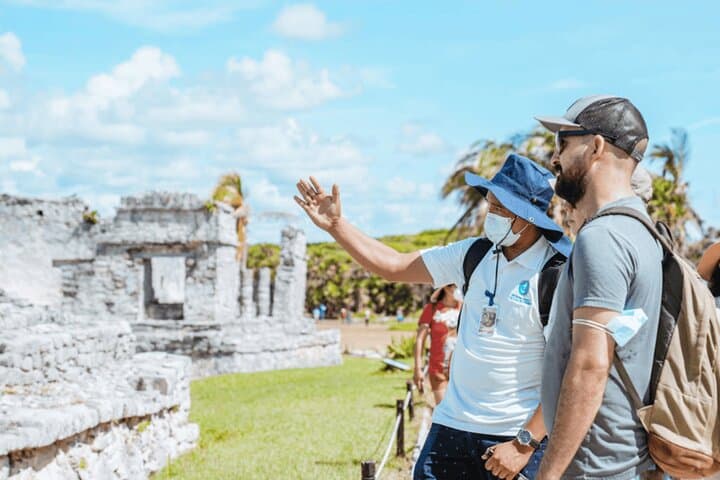
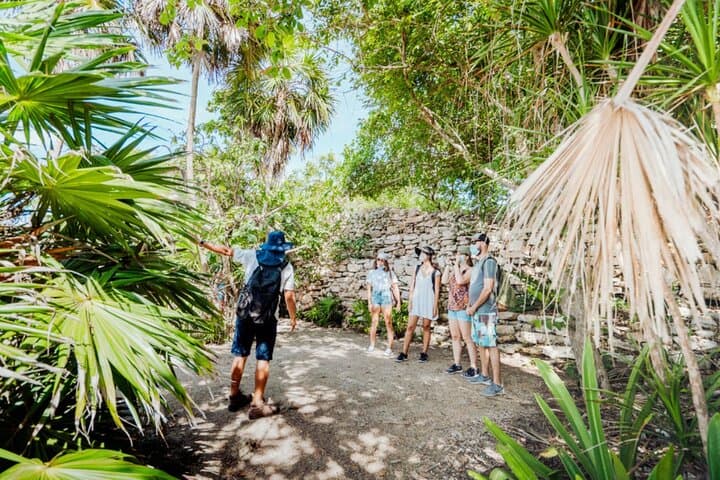
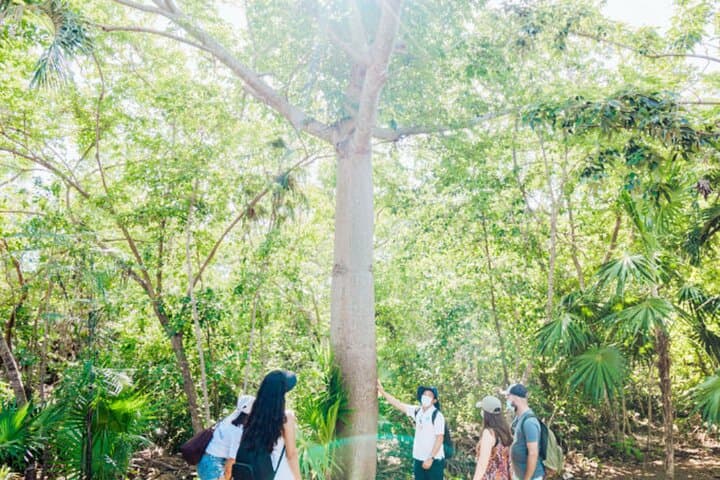
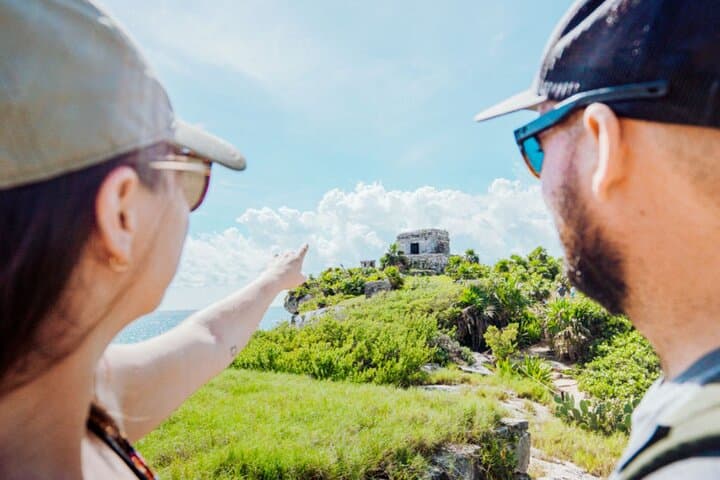
You arrive before the humidity fully wakes — air still cool in the private van as palms slide by and the limestone plain opens toward the Caribbean. Ten minutes after pickup you step onto the flagstone path that leads to the Tulum Ruins, where weathered stucco and stone sit razor-close to the sea. The wind off the water pushes and pulls at the palms like a tide, and the cliff edge frames El Castillo as if it’s daring you to look away.
You arrive before the humidity fully wakes — air still cool in the private van as palms slide by and the limestone plain opens toward the Caribbean. Ten minutes after pickup you step onto the flagstone path that leads to the Tulum Ruins, where weathered stucco and stone sit razor-close to the sea. The wind off the water pushes and pulls at the palms like a tide, and the cliff edge frames El Castillo as if it’s daring you to look away.
This half-day tour stitches together three distinct threads of the Yucatán: the archaeology of a Mayan port city, the karst geology of a cenote, and the humble, robust flavors of local tacos. Tulum was an important coastal outpost between the 13th and 16th centuries; its temples functioned as beacons for trading canoes and ceremonial observances. Beneath the ground, porous limestone shaped by millennia of rainwater collapse gives the region its cenotes — freshwater sinkholes where caverns and stalactites meet bright surface pools.
At Gran Cenote the water is clear enough to make decisions — you can’t help but notice the brightness beneath your fins. The sinkhole combines open-air pools and cavern passages. Freshwater turtles and small fish navigate the shade; sunlight punctures the surface and paints rippling patterns along the walls. It’s a geology lesson and a quiet swim in one: the cenote is an exposed window into the aquifer that feeds the peninsula.
Culturally the tour closes at Tacos Honorio, a low-key local favorite where al pastor and cochinita pibil arrive on warm tortillas and plate-spattered salsa invites debate. It’s where guide chatter turns from dates and facts into recommendations for the best street vendors and the map of little-known cenotes dotted inland.
Practical guidance: the whole experience runs about five hours — roughly 90 minutes at the ruins, 60 minutes swimming at Gran Cenote, and 60–90 minutes for transit and lunch. Terrain at Tulum is mostly flat with sandy and compacted paths and some stone steps at cliff viewpoints; bring shoes that handle sand and occasional slick rock. The cenote involves shallow entry and deeper snorkel sections; life jackets are provided and fins are intentionally not supplied to protect underwater life. Expect tropical sun — even in the shade the humidity will sap water fast.
Timing matters: early departures avoid crowds at the ruins and show the cenote at its clearest. Hydration, reef-safe sunscreen, and a light towel will make the day comfortable — and leave room for an extra taco.