THE ADVENTURE COLLECTIVE® · Independent discovery and booking for outdoor travel

A brisk half-day hike above Munnar’s tea estates that mixes grassy ridgelines with plantation paths. Ideal for photographers and nature lovers seeking open views without a full-day commitment.
A brisk half-day hike above Munnar’s tea estates that mixes grassy ridgelines with plantation paths. Ideal for photographers and nature lovers seeking open views without a full-day commitment.
Morning light slices across emerald tea rows as you step from the village road onto a soft mountain track. The air is cool and damp, scented with wet earth and crushed tea leaves, and the path climbs through terraces that seem to roll like green waves. Birds scold overhead; the distant ridge dares you to keep moving.
Verified experiences and guided adventures in the surrounding area.
Operated by D Trek Munnar Adventure · Munnar, Kerala
Morning light slices across emerald tea rows as you step from the village road onto a soft mountain track. The air is cool and damp, scented with wet earth and crushed tea leaves, and the path climbs through terraces that seem to roll like green waves. Birds scold overhead; the distant ridge dares you to keep moving.
This half-day trek threads through Munnar’s working tea estates and open grassland at roughly 1,700 m above sea level — an area shaped by ancient gneiss and laterite soils, carved into benches for tea. The region’s plantation culture dates to the 19th century, when British planters reconfigured the hills into the neat rows you see now. Local communities around the tea villages still follow seasonal rhythms of plucking and drying, and guides often share small cultural notes as you walk.
Expect an 8 km out-and-back or loop over uneven but well-trodden trails, with frequent photo stops and several short, steady climbs. Terrain alternates packed dirt, stone steps, and grassy ridgelines with open views; mud can appear after rains. The guide supplies snacks, water, and basic entry fees, and the pace is set for mixed abilities, though anyone with spinal, heart, or pregnancy restrictions should sit this one out.
Practical tips: start early for the clearest light and cooler temps, wear grippy shoes and a light rain shell, and bring a reusable water bottle. Move steadily, respect plantation boundaries, and leave no trace — the landscape rewards patience with sudden panoramas and a quiet that feels like its own currency.
moderate.
3–4 hours.
Suitable for most active travelers; comfortable walking on uneven ground and short climbs recommended
The trek covers about 8 km and takes roughly 3–4 hours; trails are well-marked with short climbs—moderate fitness is recommended.
Guide, refreshments (water, fruits, snacks), and any required entry fees are provided as listed.
Options include local pickup or meeting at a designated point in or near Munnar; confirm your pickup details when booking.
Not recommended for travelers with spinal, heart conditions, or pregnancy due to uneven terrain and altitude.
The hills were converted into large-scale tea estates in the late 1800s, shaping both landscape and local livelihoods.
Stick to trails to prevent erosion of fragile terrace edges; support local guides and estate rules to reduce footprint on working land.
D Trek Munnar Adventure operates guided outdoor trips and adventures with an emphasis on safety, stewardship, and memorable experiences.
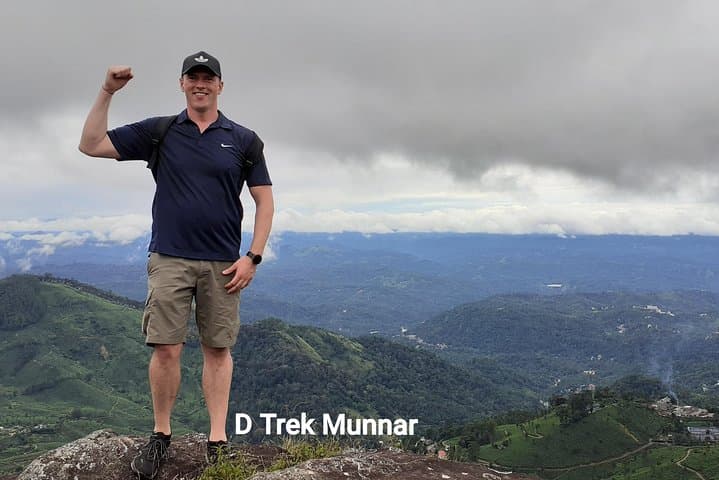
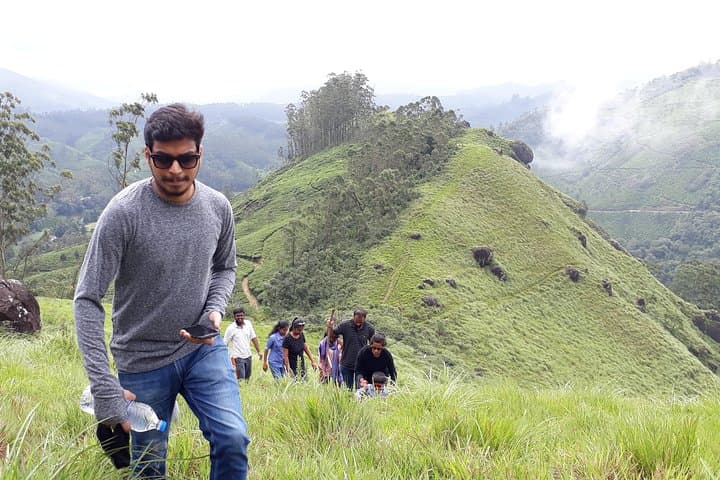
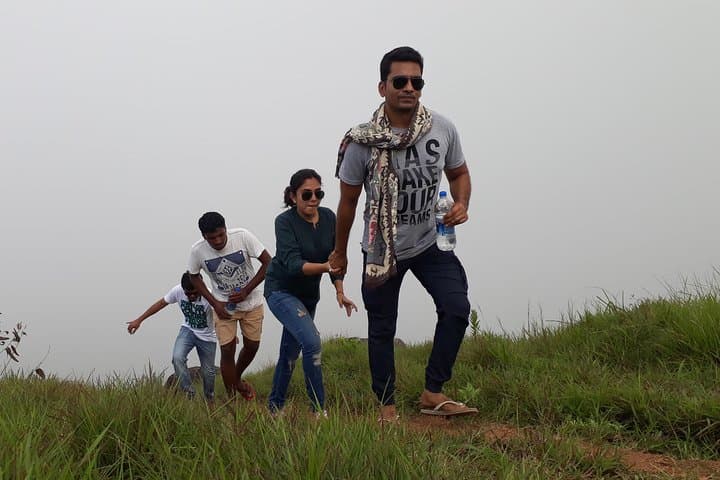
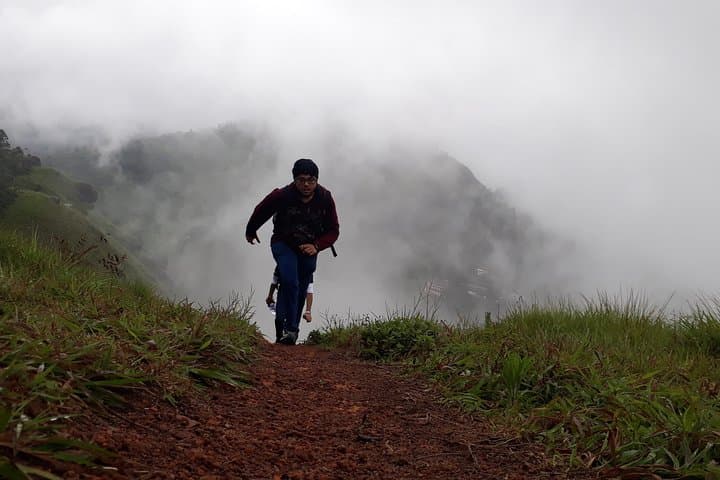
Morning light slices across emerald tea rows as you step from the village road onto a soft mountain track. The air is cool and damp, scented with wet earth and crushed tea leaves, and the path climbs through terraces that seem to roll like green waves. Birds scold overhead; the distant ridge dares you to keep moving.
Morning light slices across emerald tea rows as you step from the village road onto a soft mountain track. The air is cool and damp, scented with wet earth and crushed tea leaves, and the path climbs through terraces that seem to roll like green waves. Birds scold overhead; the distant ridge dares you to keep moving.
This half-day trek threads through Munnar’s working tea estates and open grassland at roughly 1,700 m above sea level — an area shaped by ancient gneiss and laterite soils, carved into benches for tea. The region’s plantation culture dates to the 19th century, when British planters reconfigured the hills into the neat rows you see now. Local communities around the tea villages still follow seasonal rhythms of plucking and drying, and guides often share small cultural notes as you walk.
Expect an 8 km out-and-back or loop over uneven but well-trodden trails, with frequent photo stops and several short, steady climbs. Terrain alternates packed dirt, stone steps, and grassy ridgelines with open views; mud can appear after rains. The guide supplies snacks, water, and basic entry fees, and the pace is set for mixed abilities, though anyone with spinal, heart, or pregnancy restrictions should sit this one out.
Practical tips: start early for the clearest light and cooler temps, wear grippy shoes and a light rain shell, and bring a reusable water bottle. Move steadily, respect plantation boundaries, and leave no trace — the landscape rewards patience with sudden panoramas and a quiet that feels like its own currency.