THE ADVENTURE COLLECTIVE® · Independent discovery and booking for outdoor travel

A brisk half-day trek to the slopes of Volcán Misti offers high-elevation scenery, local cultural context, and a chance to watch Arequipa turn gold at sunset. Non-technical but altitude-demanding, it’s ideal for fit hikers acclimatized to high trails.
A brisk half-day trek to the slopes of Volcán Misti offers high-elevation scenery, local cultural context, and a chance to watch Arequipa turn gold at sunset. Non-technical but altitude-demanding, it’s ideal for fit hikers acclimatized to high trails.
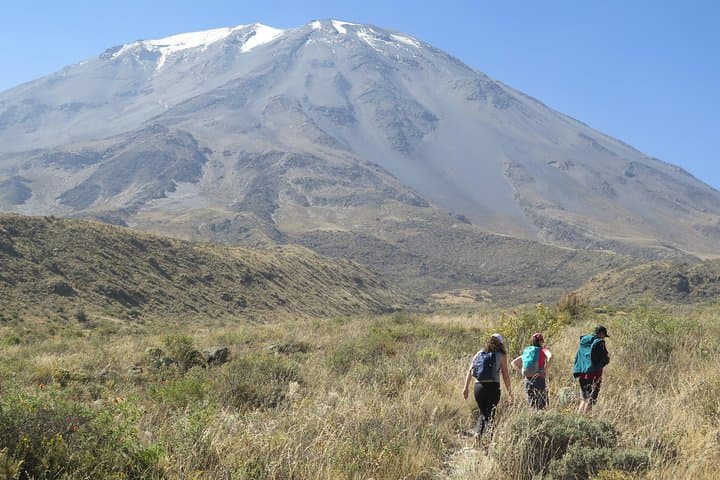
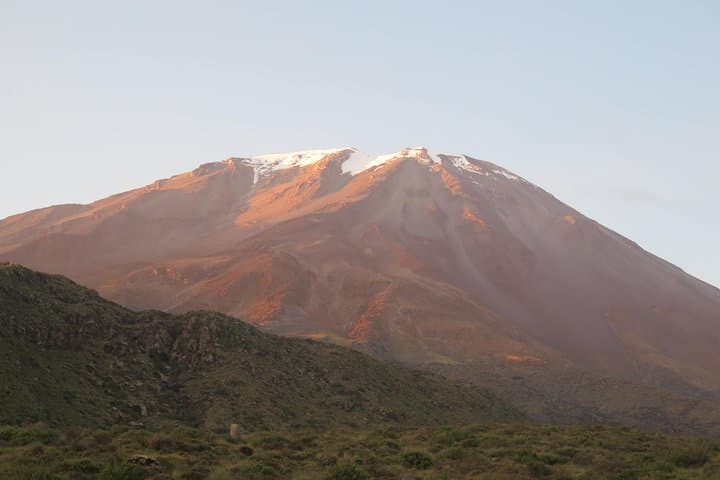
Morning light slides off the volcanic cone before you even leave the valley — Misti’s flanks sharpen against the sky, an ancient presence that seems to lean toward the city below. The trail climbs from scrub and pastoral fields into a higher, rockier band where the air thins and the slope reveals the volcano’s sculpted morphology.
Verified experiences and guided adventures in the surrounding area.
Operated by PERU ADVENTURE TOURS · Arequipa, Arequipa Region
Morning light slides off the volcanic cone before you even leave the valley — Misti’s flanks sharpen against the sky, an ancient presence that seems to lean toward the city below. The trail climbs from scrub and pastoral fields into a higher, rockier band where the air thins and the slope reveals the volcano’s sculpted morphology.
Misti (5825 m) is a stratovolcano that has shaped Arequipa’s landscape and culture for centuries; its Quechua name is often translated as “the gentleman.” Geologically it’s a classic cone born of repeated eruptions; glacial and erosional features scar the upper slopes and create dramatic ridgelines. The region’s human history is layered too — pre-Incan, colonial, and modern Arequipa owe much to the volcano’s fertile soils and dramatic skyline.
Expect 5–6 hours round trip for this half-day outing: non-technical but physically demanding because of altitude. The route is primarily steep trekking track, mixed loose scree and compacted soil, with stretches that require steady footing and deliberate pacing. Late afternoon departures target the city’s golden sunset and cooler summit air, while mornings offer clearer skies during the wet season.
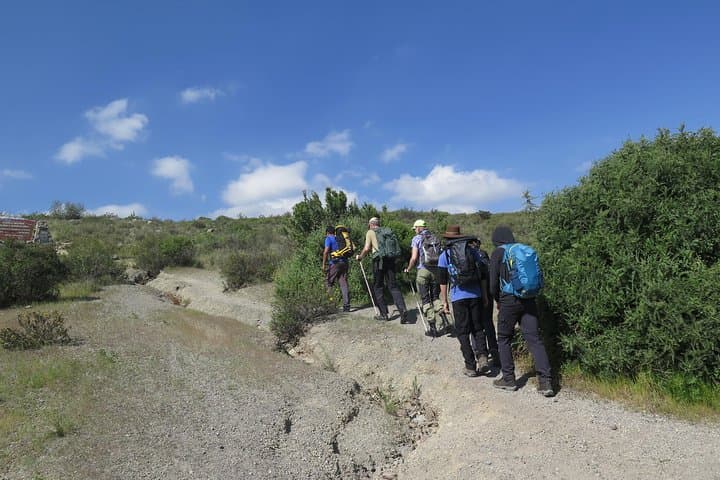
Practical notes: pace conservatively and monitor breathing; carry 2–3 liters of water and sun protection; use trekking poles for balance on scree. The meeting point is in downtown Arequipa and the trailhead requires a 4x4 approach. Guides provide local context and navigation — valuable at altitude when conditions can change fast.
This is a compact, high-elevation introduction to a major Andean peak: challenging, accessible, and rich in landscape and culture.
moderate.
5–6 hours.
Good cardiovascular fitness and prior high-altitude hiking experience recommended; ability to ascend steadily for 3 hours.
The trail is non-technical but altitude makes it harder; non-acclimatized hikers should acclimate in Arequipa first or consider a shorter walk lower on the slopes.
No technical climbing equipment is needed for this half-day route to the volcano’s lower slopes; basic trekking gear suffices.
The dry season (April–December) offers the most reliable weather and clear views; mornings are safer in the wet season to avoid afternoon storms.
Yes — guides handle logistics, navigation, and altitude safety; local operators typically provide transportation to the trailhead.
Misti has been a central figure for local communities since pre-Columbian times; its imposing cone influenced settlement patterns and agricultural terraces around Arequipa.
Stick to established trails to limit erosion on fragile volcanic soils, pack out waste, and follow guide instructions — high-altitude ecosystems recover slowly from disturbance.
PERU ADVENTURE TOURS operates guided outdoor trips and adventures with an emphasis on safety, stewardship, and memorable experiences.

Morning light slides off the volcanic cone before you even leave the valley — Misti’s flanks sharpen against the sky, an ancient presence that seems to lean toward the city below. The trail climbs from scrub and pastoral fields into a higher, rockier band where the air thins and the slope reveals the volcano’s sculpted morphology.
Morning light slides off the volcanic cone before you even leave the valley — Misti’s flanks sharpen against the sky, an ancient presence that seems to lean toward the city below. The trail climbs from scrub and pastoral fields into a higher, rockier band where the air thins and the slope reveals the volcano’s sculpted morphology.
Misti (5825 m) is a stratovolcano that has shaped Arequipa’s landscape and culture for centuries; its Quechua name is often translated as “the gentleman.” Geologically it’s a classic cone born of repeated eruptions; glacial and erosional features scar the upper slopes and create dramatic ridgelines. The region’s human history is layered too — pre-Incan, colonial, and modern Arequipa owe much to the volcano’s fertile soils and dramatic skyline.
Expect 5–6 hours round trip for this half-day outing: non-technical but physically demanding because of altitude. The route is primarily steep trekking track, mixed loose scree and compacted soil, with stretches that require steady footing and deliberate pacing. Late afternoon departures target the city’s golden sunset and cooler summit air, while mornings offer clearer skies during the wet season.
Practical notes: pace conservatively and monitor breathing; carry 2–3 liters of water and sun protection; use trekking poles for balance on scree. The meeting point is in downtown Arequipa and the trailhead requires a 4x4 approach. Guides provide local context and navigation — valuable at altitude when conditions can change fast.
This is a compact, high-elevation introduction to a major Andean peak: challenging, accessible, and rich in landscape and culture.