THE ADVENTURE COLLECTIVE® · Independent discovery and booking for outdoor travel

Step from the island’s shoreline into towering karst and cool cave air on a four-hour, guided trek through Cat Ba National Park. Explore Trung Trang Cave’s formations and the wartime Hospital Cave while learning about the park’s karst geology and conservation challenges.
Step from the island’s shoreline into towering karst and cool cave air on a four-hour, guided trek through Cat Ba National Park. Explore Trung Trang Cave’s formations and the wartime Hospital Cave while learning about the park’s karst geology and conservation challenges.
Moss-dark limestone rises from humid air as the trail slips into shade—an immediate shift from seaside bustle to a quiet island interior. The path threads through mixed evergreen and secondary forest, then climbs toward a broad cave mouth where light and cool stone meet. Inside, stalactites dangle like slow-moving chandeliers and a hush holds the history carved into the rock.
Verified experiences and guided adventures in the surrounding area.
Operated by Aroma Viet Nam Travel · Cat Ba Town, Hai Phong
Moss-dark limestone rises from humid air as the trail slips into shade—an immediate shift from seaside bustle to a quiet island interior. The path threads through mixed evergreen and secondary forest, then climbs toward a broad cave mouth where light and cool stone meet. Inside, stalactites dangle like slow-moving chandeliers and a hush holds the history carved into the rock.
Cat Ba National Park is one of Vietnam’s few protected areas that links marine and forest ecosystems; its karst towers and coastal rainforest create steep, biodiverse valleys. Trung Trang Cave is a 300-meter limestone tunnel known for dense formations and a resident bat colony. Higher on the road, Quan Y Cave (the former military hospital) shows how wartime adaptation altered natural chambers into staffed treatment spaces during the resistance era—concrete bunks, narrow corridors and stories left by local memory.
Geology here is classic tropical karst: porous limestone sculpted by rain, creating caves, sinkholes and rugged ridgelines. Culturally, the caves carry local legends and wartime significance that guides commonly explain during a half-day visit.
Practical guide: the shared tour runs about four hours with moderate climbs, uneven steps and short cave passages—suitable for hikers with moderate fitness. Wear sturdy shoes, carry water and insect repellent, and expect humid conditions; mornings are cooler and offer better light for cave interiors. A local English-speaking guide, park admission and basic bottled water are typically provided on organized half-day departures. Respect signs and restricted areas—this park protects rare species such as the Cat Ba langur, so stay on trails and minimize noise.
moderate.
4 hours.
Moderate fitness: able to walk on uneven terrain, handle short steep sections and stairs.
The organized half-day trek lasts about four hours and typically includes an English-speaking guide, park admission, and small bottled water; specifics depend on the operator.
Access involves moderate walking and stairs; the cave was modified for wartime use so paths can include narrow passages and uneven surfaces.
This tour is not recommended for pregnant travelers or those with serious back or heart conditions; check age and health restrictions with the operator.
The Cat Ba langur is critically endangered and elusive; sightings are rare, but you may encounter common bird species, bats in caves, and other small mammals.
Caves on Cat Ba were used for shelter and as field hospitals during the American war; Quan Y Cave contains modifications and wartime traces that guides often point out.
Cat Ba National Park protects interconnected marine and forest ecosystems and the critically endangered Cat Ba langur; visitors should stick to trails and avoid disturbing wildlife or cave formations.
Aroma Viet Nam Travel operates guided outdoor trips and adventures with an emphasis on safety, stewardship, and memorable experiences.
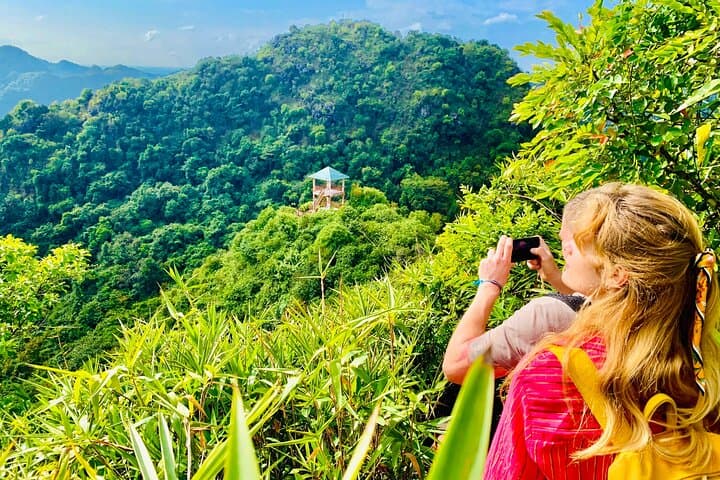
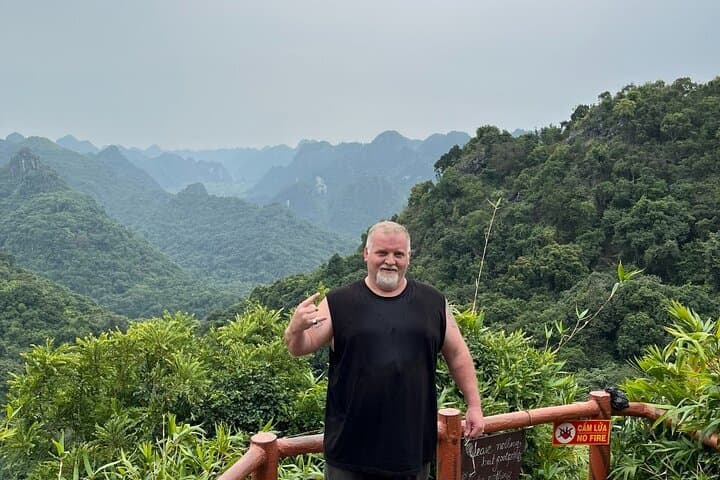
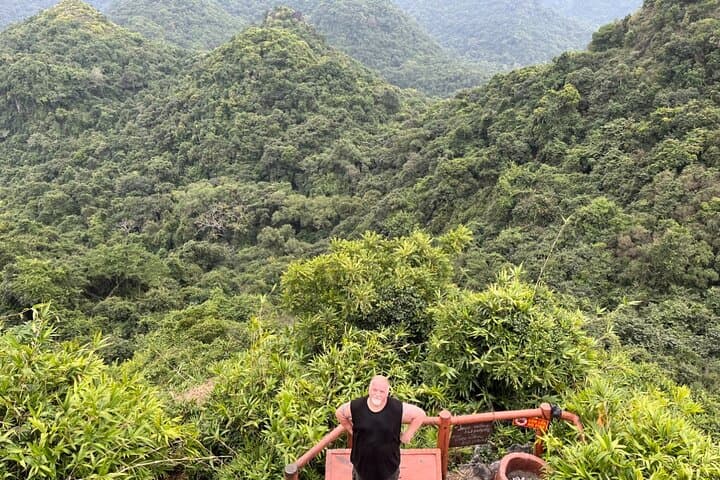
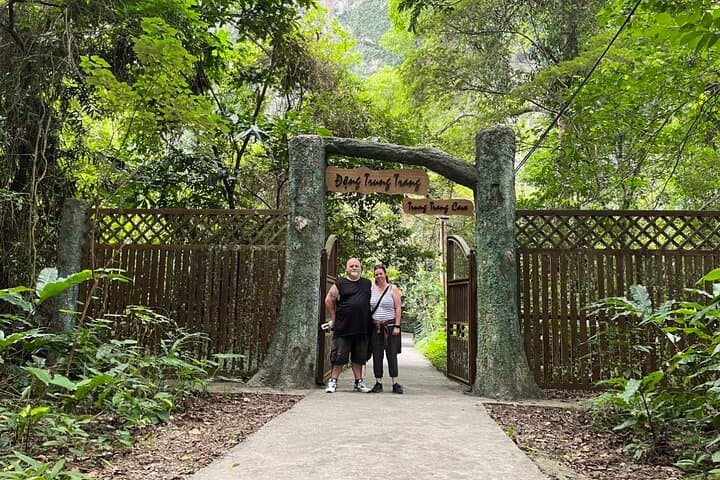
Moss-dark limestone rises from humid air as the trail slips into shade—an immediate shift from seaside bustle to a quiet island interior. The path threads through mixed evergreen and secondary forest, then climbs toward a broad cave mouth where light and cool stone meet. Inside, stalactites dangle like slow-moving chandeliers and a hush holds the history carved into the rock.
Moss-dark limestone rises from humid air as the trail slips into shade—an immediate shift from seaside bustle to a quiet island interior. The path threads through mixed evergreen and secondary forest, then climbs toward a broad cave mouth where light and cool stone meet. Inside, stalactites dangle like slow-moving chandeliers and a hush holds the history carved into the rock.
Cat Ba National Park is one of Vietnam’s few protected areas that links marine and forest ecosystems; its karst towers and coastal rainforest create steep, biodiverse valleys. Trung Trang Cave is a 300-meter limestone tunnel known for dense formations and a resident bat colony. Higher on the road, Quan Y Cave (the former military hospital) shows how wartime adaptation altered natural chambers into staffed treatment spaces during the resistance era—concrete bunks, narrow corridors and stories left by local memory.
Geology here is classic tropical karst: porous limestone sculpted by rain, creating caves, sinkholes and rugged ridgelines. Culturally, the caves carry local legends and wartime significance that guides commonly explain during a half-day visit.
Practical guide: the shared tour runs about four hours with moderate climbs, uneven steps and short cave passages—suitable for hikers with moderate fitness. Wear sturdy shoes, carry water and insect repellent, and expect humid conditions; mornings are cooler and offer better light for cave interiors. A local English-speaking guide, park admission and basic bottled water are typically provided on organized half-day departures. Respect signs and restricted areas—this park protects rare species such as the Cat Ba langur, so stay on trails and minimize noise.