THE ADVENTURE COLLECTIVE® · Independent discovery and booking for outdoor travel

A short transfer from the Dead Sea delivers you to Wadi Mujib’s dramatic canyon rim for up to three hours of exploration. Perfect for travelers who want a hands-on taste of Jordan’s most dramatic gorge without committing to a full technical trip.
A short transfer from the Dead Sea delivers you to Wadi Mujib’s dramatic canyon rim for up to three hours of exploration. Perfect for travelers who want a hands-on taste of Jordan’s most dramatic gorge without committing to a full technical trip.
You step out of the vehicle onto sun-warmed rock and the canyon answers—air moving up from the gorge, a faint rush where runoff gathers and dares you to follow. Wadi Mujib cuts a raw groove down to the Dead Sea: canyon walls rising roughly a kilometer in places, the valley narrowing into Siq-like channels where light and shadow race across water-worn stone.
Verified experiences and guided adventures in the surrounding area.
Operated by Retaj Jordan Tours and transportation · Sweimeh, Balqa Governorate
You step out of the vehicle onto sun-warmed rock and the canyon answers—air moving up from the gorge, a faint rush where runoff gathers and dares you to follow. Wadi Mujib cuts a raw groove down to the Dead Sea: canyon walls rising roughly a kilometer in places, the valley narrowing into Siq-like channels where light and shadow race across water-worn stone.
The place has long been a corridor of movement. Historically known as the Arnon Valley, locals point to biblical references and centuries of shepherding and caravan traffic along these slopes. Geologically it’s a dramatic example of recent tectonics and erosion—limestone and sandstone folded, cracked and scoured by seasonal floods that funnel runoff into the lowest point on Earth, the Dead Sea.
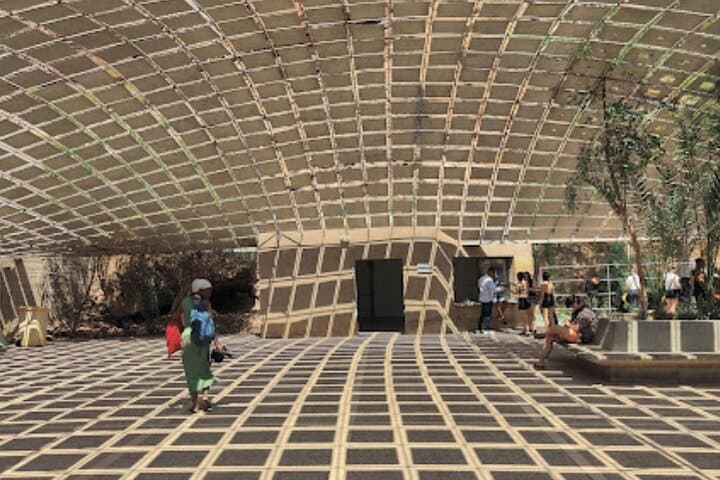
Culturally, the reserve protects Bedouin grazing traditions and modern conservation efforts; a small visitor center manages access and provides orientation. Expect three hours to hike short trails or attempt the entrance trails under ranger regulations; the drive from Dead Sea hotels is brief, intended as a simple, safe transfer rather than a guided scramble.
Practical notes: morning departures are best for temperature and light. Footwear should handle slick rock and shallow water; bring 2 liters of water, sun protection and a lightweight towel. The canyon’s mood can change quickly—authorities close trails during flash floods—so check conditions before you go. If you want a deeper technical canyon experience, arrange a guided, technical excursion in advance; this transfer gives comfortable access for short, adventurous exploration without the logistics.
moderate.
3–4 hours.
Good cardiovascular fitness and sure-footedness recommended; not suitable for those with serious mobility issues.
Pickup times vary, but transfers are short—typically 20–45 minutes depending on hotel location and traffic.
The reserve allows limited water access on authorized trails; swimming in deeper pools is subject to ranger rules and trail-specific conditions.
This service provides private transportation and an English-speaking driver; on-trail guiding and technical equipment are not included unless specified.
Trails can be physically demanding with wet rock and steep sections; not recommended for small children, pregnant travelers, or anyone with serious heart or spine conditions.
Wadi Mujib—historically referred to as the Arnon Valley—has been a strategic corridor since antiquity and is referenced in regional histories and biblical accounts.
The Mujib Biosphere Reserve balances visitor access with fragile desert and riparian habitats; follow ranger guidance to minimize erosion and avoid disturbing nesting or grazing areas.
Retaj Jordan Tours and transportation operates guided outdoor trips and adventures with an emphasis on safety, stewardship, and memorable experiences.
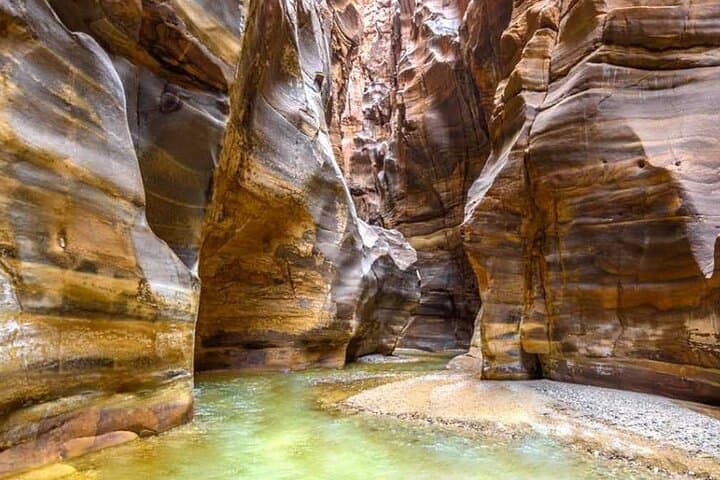

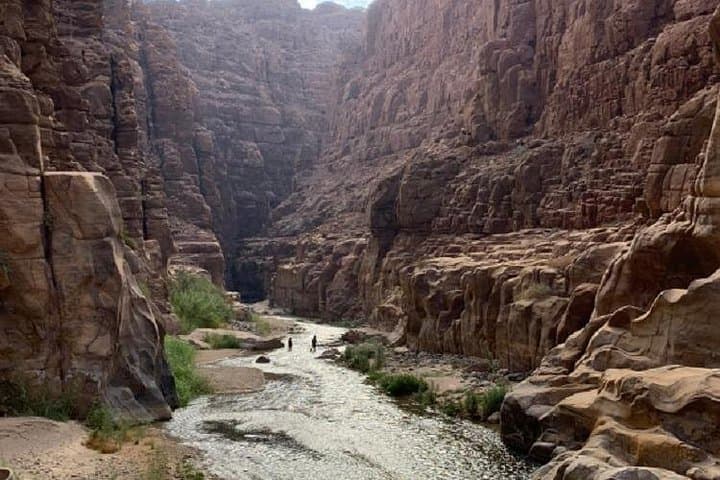
You step out of the vehicle onto sun-warmed rock and the canyon answers—air moving up from the gorge, a faint rush where runoff gathers and dares you to follow. Wadi Mujib cuts a raw groove down to the Dead Sea: canyon walls rising roughly a kilometer in places, the valley narrowing into Siq-like channels where light and shadow race across water-worn stone.
You step out of the vehicle onto sun-warmed rock and the canyon answers—air moving up from the gorge, a faint rush where runoff gathers and dares you to follow. Wadi Mujib cuts a raw groove down to the Dead Sea: canyon walls rising roughly a kilometer in places, the valley narrowing into Siq-like channels where light and shadow race across water-worn stone.
The place has long been a corridor of movement. Historically known as the Arnon Valley, locals point to biblical references and centuries of shepherding and caravan traffic along these slopes. Geologically it’s a dramatic example of recent tectonics and erosion—limestone and sandstone folded, cracked and scoured by seasonal floods that funnel runoff into the lowest point on Earth, the Dead Sea.
Culturally, the reserve protects Bedouin grazing traditions and modern conservation efforts; a small visitor center manages access and provides orientation. Expect three hours to hike short trails or attempt the entrance trails under ranger regulations; the drive from Dead Sea hotels is brief, intended as a simple, safe transfer rather than a guided scramble.
Practical notes: morning departures are best for temperature and light. Footwear should handle slick rock and shallow water; bring 2 liters of water, sun protection and a lightweight towel. The canyon’s mood can change quickly—authorities close trails during flash floods—so check conditions before you go. If you want a deeper technical canyon experience, arrange a guided, technical excursion in advance; this transfer gives comfortable access for short, adventurous exploration without the logistics.