THE ADVENTURE COLLECTIVE® · Independent discovery and booking for outdoor travel

Cycle out of Hoi An to Tra Que Village for a half-day of market bargaining, hands-on farming, and a cooking class that ends with the meal you made. Flat rural roads, fragrant herb gardens, and a herbal foot massage round out this cultural taste of central Vietnam.
Cycle out of Hoi An to Tra Que Village for a half-day of market bargaining, hands-on farming, and a cooking class that ends with the meal you made. Flat rural roads, fragrant herb gardens, and a herbal foot massage round out this cultural taste of central Vietnam.
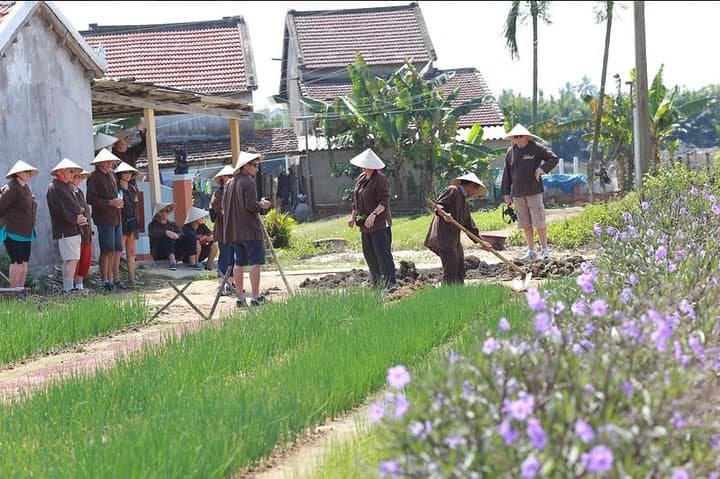
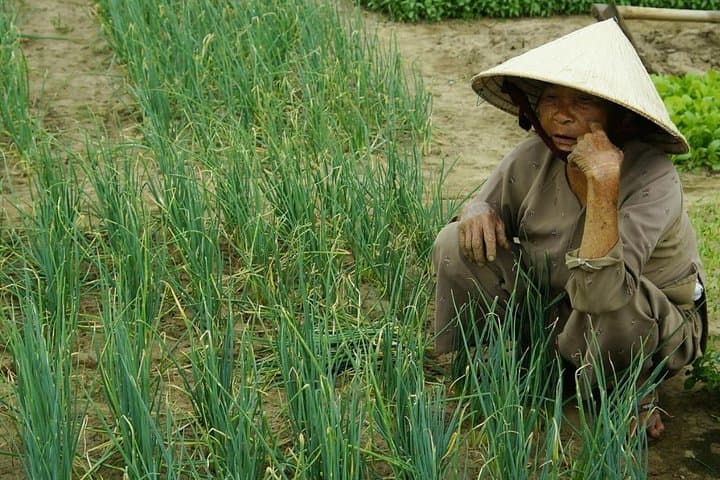
Morning light in Hoi An softens the market stalls as you pedal away from the old town, bicycle tires whispering over narrow concrete and dirt lanes that cut through low rice paddies. By the time you reach Tra Que, the air is sharp with the scent of mint and lemongrass; farmers move with a practiced economy, hands fluent in soil and seed.
Verified experiences and guided adventures in the surrounding area.
Operated by Private Tours By Local Guides · Hoi An, Quang Nam
Morning light in Hoi An softens the market stalls as you pedal away from the old town, bicycle tires whispering over narrow concrete and dirt lanes that cut through low rice paddies. By the time you reach Tra Que, the air is sharp with the scent of mint and lemongrass; farmers move with a practiced economy, hands fluent in soil and seed.
Tra Que Vegetable Village sits on Thu Bon River’s alluvial floodplain, its sandy loam and steady irrigation producing crisp herbs and vegetables farmers have cultivated with organic methods for generations. Hoi An itself is a former international trading port—its cultural layers visible in the town’s architecture and the diversity of goods at Ba Le market where you’ll learn to choose and bargain for ingredients.
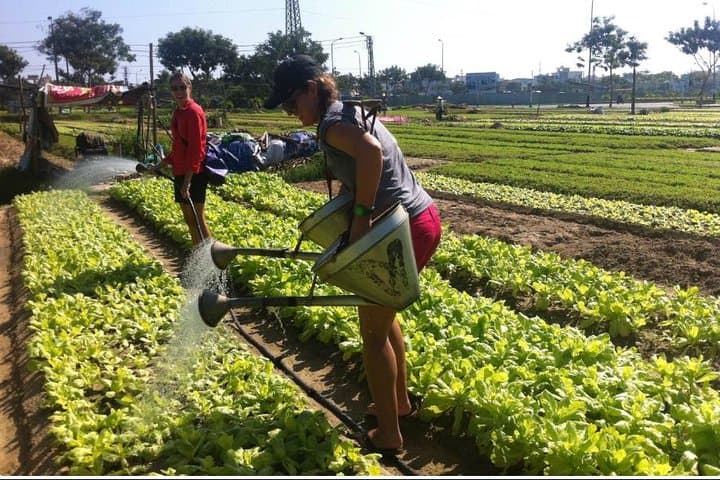
The experience blends a short flat cycle (mostly under 10 km round trip from central Hoi An), light farming tasks using traditional hand tools, and a hands-on cooking lesson that typically includes Tra Que salad, banh xeo (Vietnamese pancakes), and fried spring rolls. Expect minimal elevation gain and mixed terrain—paved village lanes, packed-earth paths, and the occasional soft shoulder.
Practical edge: arrive hydrated and sun-ready—morning departures avoid midday heat. Cycling is gentle but requires basic balance and confidence on busy local roads. The workshop ends with a communal lunch of what you prepare and a traditional herbal foot massage. Bring closed-toe shoes for the farm portion, sun protection, and a small pack for camera, water, and sunscreen. Note: not recommended for pregnant travelers or those with serious back or heart conditions.
moderate.
5 hours.
Moderate fitness—comfortable cycling for short distances and light farm work; able to stand and bend for cooking and demonstrations.
Bicycles and basic safety gear are typically provided, but you may bring a helmet for personal fit and comfort.
Yes—inform the operator at booking; ingredients are fresh and the local cook can adapt many dishes for vegetarian or food-allergy needs.
Total cycling is short—generally under 10 km round trip from central Hoi An—on flat village roads suitable for riders with basic cycling ability.
Pickup from hotels in Hoi An is included; confirm your pickup point at booking and communicate any special requirements.
Tra Que’s farming methods are centuries old, sustained by the Thu Bon River’s sediments; Hoi An’s history as a trading port shaped local cuisine and market culture.
Tra Que emphasizes organic and low-input farming; visitors can reduce impact by staying on paths, avoiding single-use plastics, and supporting local produce sales.
Private Tours By Local Guides operates guided outdoor trips and adventures with an emphasis on safety, stewardship, and memorable experiences.
Morning light in Hoi An softens the market stalls as you pedal away from the old town, bicycle tires whispering over narrow concrete and dirt lanes that cut through low rice paddies. By the time you reach Tra Que, the air is sharp with the scent of mint and lemongrass; farmers move with a practiced economy, hands fluent in soil and seed.
Morning light in Hoi An softens the market stalls as you pedal away from the old town, bicycle tires whispering over narrow concrete and dirt lanes that cut through low rice paddies. By the time you reach Tra Que, the air is sharp with the scent of mint and lemongrass; farmers move with a practiced economy, hands fluent in soil and seed.
Tra Que Vegetable Village sits on Thu Bon River’s alluvial floodplain, its sandy loam and steady irrigation producing crisp herbs and vegetables farmers have cultivated with organic methods for generations. Hoi An itself is a former international trading port—its cultural layers visible in the town’s architecture and the diversity of goods at Ba Le market where you’ll learn to choose and bargain for ingredients.
The experience blends a short flat cycle (mostly under 10 km round trip from central Hoi An), light farming tasks using traditional hand tools, and a hands-on cooking lesson that typically includes Tra Que salad, banh xeo (Vietnamese pancakes), and fried spring rolls. Expect minimal elevation gain and mixed terrain—paved village lanes, packed-earth paths, and the occasional soft shoulder.
Practical edge: arrive hydrated and sun-ready—morning departures avoid midday heat. Cycling is gentle but requires basic balance and confidence on busy local roads. The workshop ends with a communal lunch of what you prepare and a traditional herbal foot massage. Bring closed-toe shoes for the farm portion, sun protection, and a small pack for camera, water, and sunscreen. Note: not recommended for pregnant travelers or those with serious back or heart conditions.