THE ADVENTURE COLLECTIVE® · Independent discovery and booking for outdoor travel

Explore Sillustani’s towering chullpas and the lakeside terraces of Umayo on a focused half-day trip from Puno. This four-hour tour pairs archaeology with a visit to a rural Andean community for a compact cultural and natural experience.
Explore Sillustani’s towering chullpas and the lakeside terraces of Umayo on a focused half-day trip from Puno. This four-hour tour pairs archaeology with a visit to a rural Andean community for a compact cultural and natural experience.
You step out of the minivan onto wind-swept puna grass and the air is thin and bright—Sillustani’s stone towers sit like sentries along the shore of Lake Umayo. The trail climbs steadily for about 30 minutes; rocks underfoot give way to packed earth and short grass, and the guide’s voice folds into the wide sky as they point to the cylindrical chullpas rising above you.
Verified experiences and guided adventures in the surrounding area.
Operated by Inca Lake · Puno, Puno
You step out of the minivan onto wind-swept puna grass and the air is thin and bright—Sillustani’s stone towers sit like sentries along the shore of Lake Umayo. The trail climbs steadily for about 30 minutes; rocks underfoot give way to packed earth and short grass, and the guide’s voice folds into the wide sky as they point to the cylindrical chullpas rising above you.
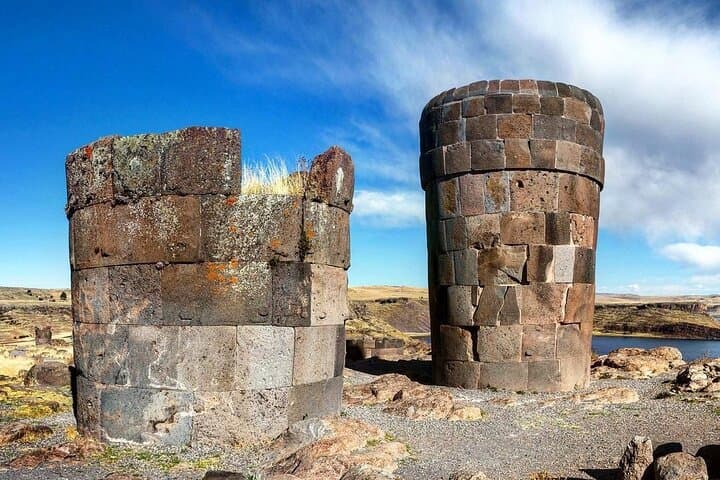
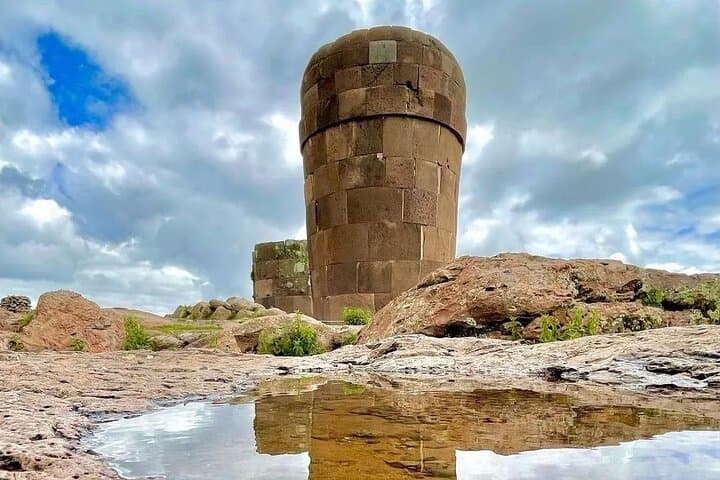
These funerary towers began with the Kolla people and later took on Inca refinements: precise stone courses, mortared joins where ritual demanded permanence, and chambers sized for mummified remains. Geologically, you’re on high-altitude lake terrace deposits; wind and freeze-thaw sculpt the landscape, exposing the reddish-brown volcanic and sedimentary stones used in construction. Cultural notes arrive in the village of Atuncolla—textile spinning, quinoa varieties and stories passed down by descendants of the Qollas who still tend llamas and guinea pigs.
Practical guidance is straightforward. Expect a 30–40 minute climb with short stairs and uneven footing; allow 2 hours on-site for photo stops and the walk to the main necropolis. Bring sun protection and layers—temperatures swing quickly at 3,800–3,900 m. Water and small local currency are useful for snacks or handicrafts in Atuncolla. Respect the site: stay on marked paths, avoid climbing on chullpas and follow your guide’s instructions. Morning light is best for views across Umayo; afternoons can bring wind and, seasonally, quick showers. In four hours you’ll move between ancient engineering and present-day highland life—an efficient, tangible connection to Andean history.
easy.
4 hours.
Basic fitness for a 30–40 minute uphill walk and standing during guided explanations; suitable for most travelers.
Expect roughly 30–40 minutes of walking to reach the main chullpas with stops; the full visit usually lasts about 2 hours on site.
Yes—paths are generally manageable, but those with serious mobility issues or spinal problems should avoid steep sections and consult the operator.
This tour includes entrance tickets as listed in the inclusions; confirm on booking or with your guide at pickup.
Selected hotels in Puno are included for pickup and drop-off—confirm your pickup point when booking.
Sillustani’s chullpas were first built by Kolla elites and later used and adapted by the Incas for elite burials, reflecting layered regional power dynamics.
Erosion and visitor pressure threaten fragile stonework—stay on trails, don’t touch masonry, and support local guides who practice site stewardship.
Inca Lake operates guided outdoor trips and adventures with an emphasis on safety, stewardship, and memorable experiences.
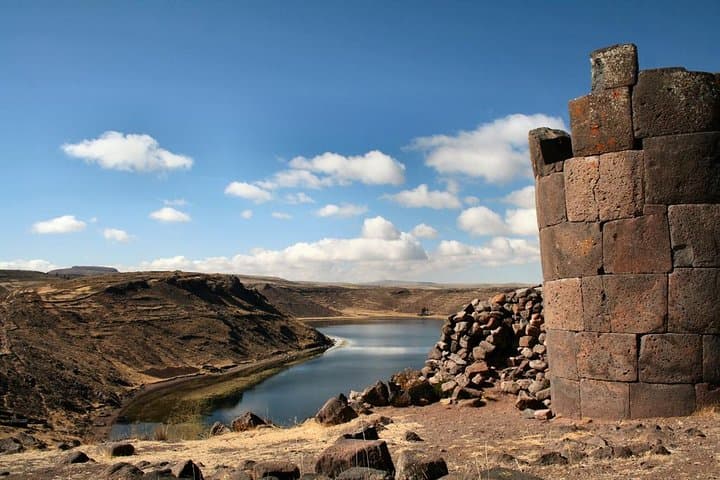
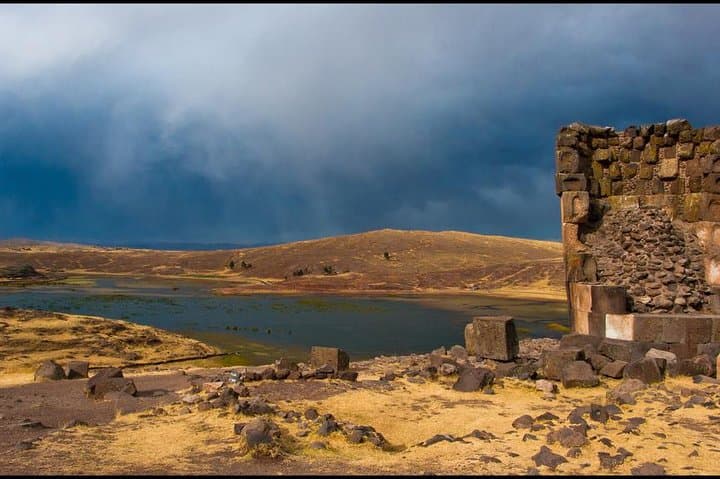
You step out of the minivan onto wind-swept puna grass and the air is thin and bright—Sillustani’s stone towers sit like sentries along the shore of Lake Umayo. The trail climbs steadily for about 30 minutes; rocks underfoot give way to packed earth and short grass, and the guide’s voice folds into the wide sky as they point to the cylindrical chullpas rising above you.
You step out of the minivan onto wind-swept puna grass and the air is thin and bright—Sillustani’s stone towers sit like sentries along the shore of Lake Umayo. The trail climbs steadily for about 30 minutes; rocks underfoot give way to packed earth and short grass, and the guide’s voice folds into the wide sky as they point to the cylindrical chullpas rising above you.
These funerary towers began with the Kolla people and later took on Inca refinements: precise stone courses, mortared joins where ritual demanded permanence, and chambers sized for mummified remains. Geologically, you’re on high-altitude lake terrace deposits; wind and freeze-thaw sculpt the landscape, exposing the reddish-brown volcanic and sedimentary stones used in construction. Cultural notes arrive in the village of Atuncolla—textile spinning, quinoa varieties and stories passed down by descendants of the Qollas who still tend llamas and guinea pigs.
Practical guidance is straightforward. Expect a 30–40 minute climb with short stairs and uneven footing; allow 2 hours on-site for photo stops and the walk to the main necropolis. Bring sun protection and layers—temperatures swing quickly at 3,800–3,900 m. Water and small local currency are useful for snacks or handicrafts in Atuncolla. Respect the site: stay on marked paths, avoid climbing on chullpas and follow your guide’s instructions. Morning light is best for views across Umayo; afternoons can bring wind and, seasonally, quick showers. In four hours you’ll move between ancient engineering and present-day highland life—an efficient, tangible connection to Andean history.