THE ADVENTURE COLLECTIVE® · Independent discovery and booking for outdoor travel

Walk through soaring white domes, glittering chandeliers and the world’s largest hand-knotted carpet on a half-day guided visit to Sheikh Zayed Grand Mosque. This guide covers what to expect, cultural context and practical tips to plan your visit.
Walk through soaring white domes, glittering chandeliers and the world’s largest hand-knotted carpet on a half-day guided visit to Sheikh Zayed Grand Mosque. This guide covers what to expect, cultural context and practical tips to plan your visit.
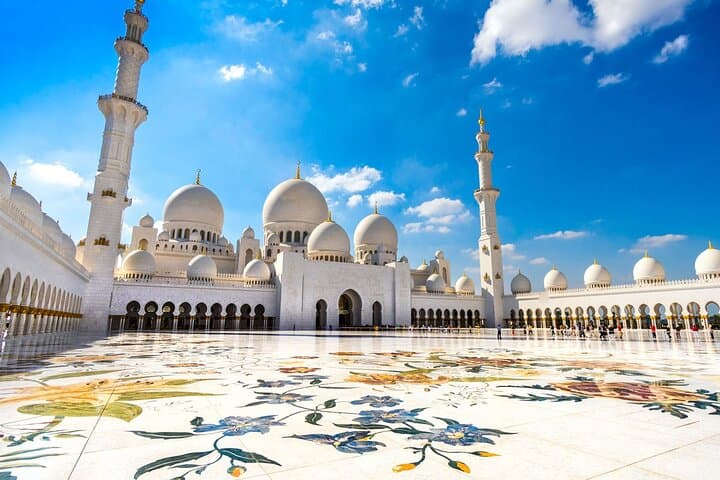
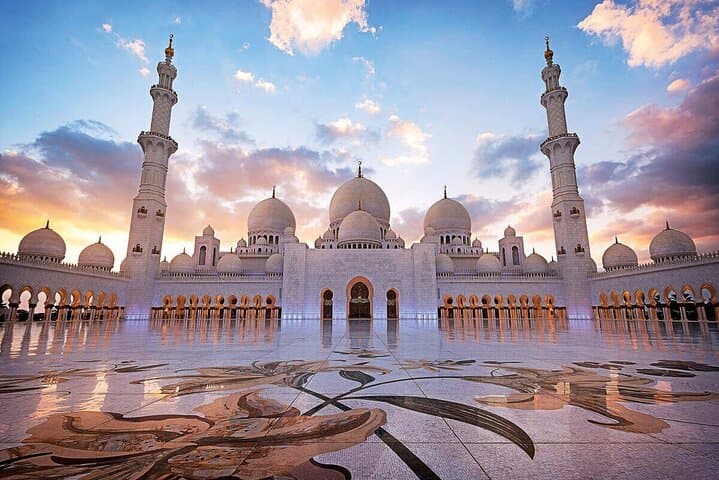
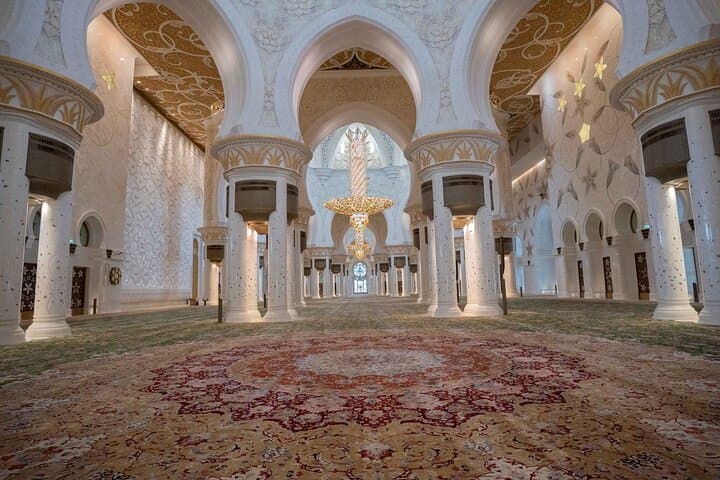
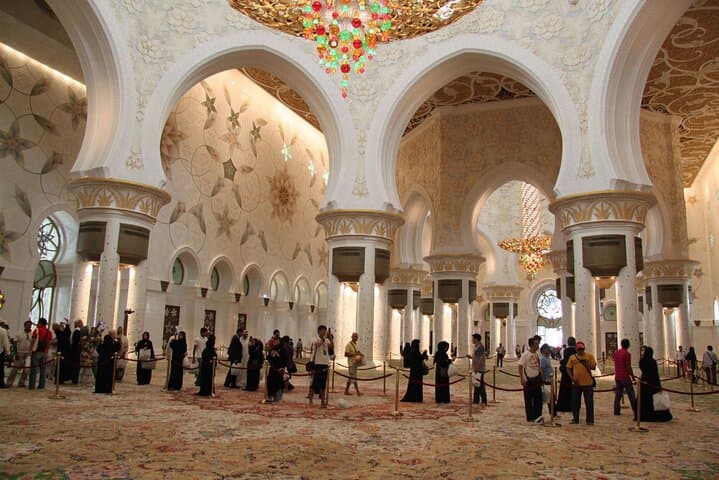
You arrive at mid-morning and the mosque sits like a white command on the seafront, its domes cutting the desert light. Reflecting pools lie quiet, mirroring rows of columns that reach and repeat until they blur into geometric rhythm. Inside, the world's largest hand-knotted carpet and glittering chandeliers give scale to a space built for quiet, ceremony and welcome.
Verified experiences and guided adventures in the surrounding area.
Operated by Hunza Travel And Tourism · Abu Dhabi, Abu Dhabi
You arrive at mid-morning and the mosque sits like a white command on the seafront, its domes cutting the desert light. Reflecting pools lie quiet, mirroring rows of columns that reach and repeat until they blur into geometric rhythm. Inside, the world's largest hand-knotted carpet and glittering chandeliers give scale to a space built for quiet, ceremony and welcome.
Completed in 2007 at the initiative of Sheikh Zayed bin Sultan Al Nahyan, the Grand Mosque borrows from Ottoman, Mamluk and Moorish traditions while using contemporary engineering and imported marble. Its 82 domes and more than 1,000 columns are not just decorative—each element channels light and cool air in a region where architecture must answer heat as much as faith.
Culturally, the mosque is both a place of worship and a national symbol; public access is offered with strict etiquette to preserve sanctity. The surrounding plaza and reflecting pools also attract local birdlife and provide a calm edge to the city’s rapid development.
Practical guidance: plan for a 4–5 hour outing including transit, allow time to remove shoes and follow the modest dress code (women should bring a headscarf). The site is largely wheelchair accessible and staffed visitor routes keep traffic moving; guided tours often include bottled water and transport. Mid-morning and late afternoon visits avoid the harshest sun and the busiest prayer times. Respect photography rules in prayer halls, stay on designated paths, and give yourself a few minutes at the reflecting pools—the light here changes fast and rewards small pauses.
easy.
5 hours.
Suitable for all fitness levels; involves walking on flat surfaces and some standing
No general admission fee; organized tours often include transport and guide services which are priced separately.
Yes—non-Muslims are welcome during visiting hours but must follow the dress code and respectful behavior rules.
Yes—major visitor routes, entrances and facilities are wheelchair accessible; transportation options may also accommodate mobility needs.
Photography is permitted in most exterior and interior areas, but avoid photographing people during prayers and follow staff instructions in restricted zones.
Commissioned by Sheikh Zayed and completed in 2007, the mosque blends multiple Islamic architectural traditions and used artisans and materials from around the world.
High visitor numbers require careful management—stick to pathways, avoid littering, and use provided waste bins to protect marble surfaces and surrounding landscaping.
Hunza Travel And Tourism operates guided outdoor trips and adventures with an emphasis on safety, stewardship, and memorable experiences.
You arrive at mid-morning and the mosque sits like a white command on the seafront, its domes cutting the desert light. Reflecting pools lie quiet, mirroring rows of columns that reach and repeat until they blur into geometric rhythm. Inside, the world's largest hand-knotted carpet and glittering chandeliers give scale to a space built for quiet, ceremony and welcome.
You arrive at mid-morning and the mosque sits like a white command on the seafront, its domes cutting the desert light. Reflecting pools lie quiet, mirroring rows of columns that reach and repeat until they blur into geometric rhythm. Inside, the world's largest hand-knotted carpet and glittering chandeliers give scale to a space built for quiet, ceremony and welcome.
Completed in 2007 at the initiative of Sheikh Zayed bin Sultan Al Nahyan, the Grand Mosque borrows from Ottoman, Mamluk and Moorish traditions while using contemporary engineering and imported marble. Its 82 domes and more than 1,000 columns are not just decorative—each element channels light and cool air in a region where architecture must answer heat as much as faith.
Culturally, the mosque is both a place of worship and a national symbol; public access is offered with strict etiquette to preserve sanctity. The surrounding plaza and reflecting pools also attract local birdlife and provide a calm edge to the city’s rapid development.
Practical guidance: plan for a 4–5 hour outing including transit, allow time to remove shoes and follow the modest dress code (women should bring a headscarf). The site is largely wheelchair accessible and staffed visitor routes keep traffic moving; guided tours often include bottled water and transport. Mid-morning and late afternoon visits avoid the harshest sun and the busiest prayer times. Respect photography rules in prayer halls, stay on designated paths, and give yourself a few minutes at the reflecting pools—the light here changes fast and rewards small pauses.