THE ADVENTURE COLLECTIVE® · Independent discovery and booking for outdoor travel

Explore Anuradhapura’s ancient stupas and the hills of Mihintale on a focused half-day private tour. Expect centuries-old temples, living pilgrimage sites and a sunset vantage that frames Sri Lanka’s Buddhist heritage.
Explore Anuradhapura’s ancient stupas and the hills of Mihintale on a focused half-day private tour. Expect centuries-old temples, living pilgrimage sites and a sunset vantage that frames Sri Lanka’s Buddhist heritage.
Stepping from a shaded roadway into Anuradhapura’s archaeological park feels like crossing a threshold in time: brick stupas and carved stone slabs rise from grassy courtyards while the Bodhi tree casts a patient canopy over slow-moving pilgrims.
Verified experiences and guided adventures in the surrounding area.
Operated by Travel With Lampa · Anuradhapura, North Central Province
Stepping from a shaded roadway into Anuradhapura’s archaeological park feels like crossing a threshold in time: brick stupas and carved stone slabs rise from grassy courtyards while the Bodhi tree casts a patient canopy over slow-moving pilgrims.
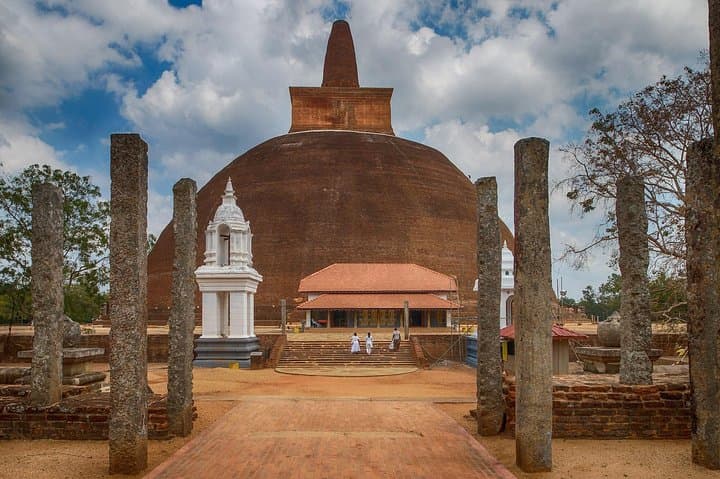
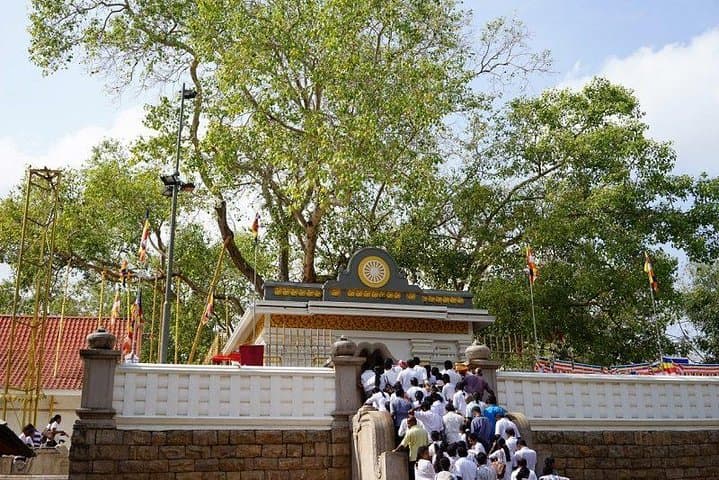
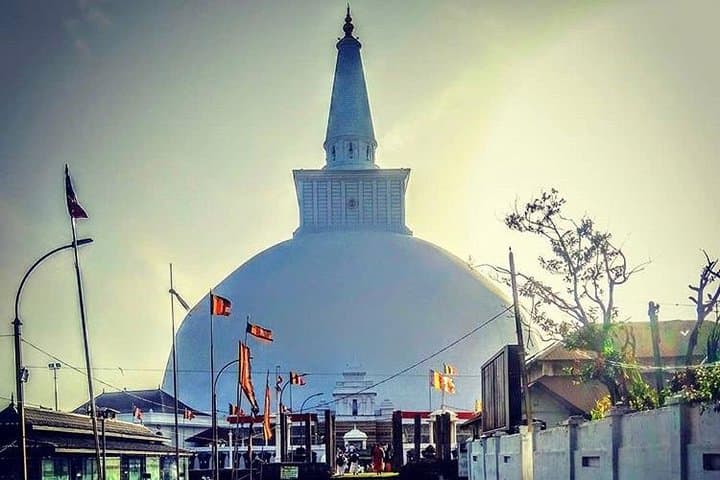
The walk begins among the Mahamevna gardens where the Jaya Sri Maha Bodhi—grown from a cutting of the original Bodhi—anchors a living religious lineage more than two millennia old. Nearby, towering stupas such as Ruwanweliseya and the Jetavanarama recall kings who reshaped the landscape with hydraulic works, monastic complexes and royal patronage. Geologically the plain is an ancient floodplain fed by reservoirs; its flatness made large-scale irrigation and city-building possible here.
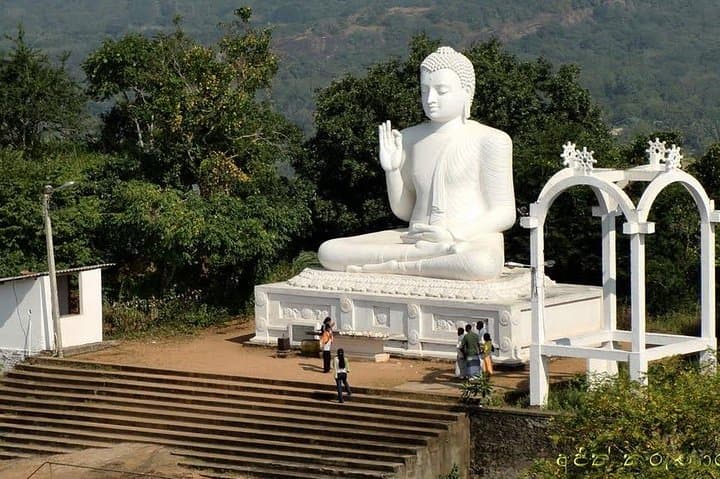
Mihintale, a short climb east of town, is where legend says Buddhism first took root in Sri Lanka. Steps and rock shrines climb a limestone ridge; at sunset the stupa silhouettes and the breeze seem to push visitors toward reflection. Locals still mark Poya days here; expect rituals, modest dress codes and quiet reverence.
Practical guidance: this half-day private tour runs about 3–4 hours and is low-impact but involves walking on uneven stone and some steps. Wear sturdy walking shoes, bring sun protection and at least 1 L of water, and plan for soft lighting if you want sunset views from Mihintale. Photography is welcomed but be mindful of worshippers and restricted areas. For cooler mornings or wet-season showers carry a light rain layer. The route is accessible for most fitness levels and is best scheduled outside the mid-day heat if you prefer a more comfortable pace.
easy.
3–4 hours.
Suitable for most fitness levels; involves moderate walking and some stairs
Most outdoor sites in Anuradhapura are visible from public paths; specific museum or stupa entry fees may not be included—confirm with the operator.
Yes; the tour notes infants must sit on laps and infant seats are available—some sites have steps that may be challenging with strollers.
Some areas and park roads are accessible, but many ancient monuments involve steps and uneven surfaces—advance arrangements can help identify accessible routes.
Late afternoon into early evening is best; arrive with time to climb the ridge and claim a viewpoint before sunset to avoid crowds.
Anuradhapura was Sri Lanka’s first great capital (from around the 4th century BCE) and a center of Theravada Buddhism; Mihintale is traditionally the site where Buddhism was introduced to the island.
The sites are managed as archaeological and pilgrimage areas balancing tourism with ongoing conservation; visitors should follow signage, avoid touching fragile carvings and use marked paths to limit erosion.
Travel With Lampa operates guided outdoor trips and adventures with an emphasis on safety, stewardship, and memorable experiences.
Stepping from a shaded roadway into Anuradhapura’s archaeological park feels like crossing a threshold in time: brick stupas and carved stone slabs rise from grassy courtyards while the Bodhi tree casts a patient canopy over slow-moving pilgrims.
Stepping from a shaded roadway into Anuradhapura’s archaeological park feels like crossing a threshold in time: brick stupas and carved stone slabs rise from grassy courtyards while the Bodhi tree casts a patient canopy over slow-moving pilgrims.
The walk begins among the Mahamevna gardens where the Jaya Sri Maha Bodhi—grown from a cutting of the original Bodhi—anchors a living religious lineage more than two millennia old. Nearby, towering stupas such as Ruwanweliseya and the Jetavanarama recall kings who reshaped the landscape with hydraulic works, monastic complexes and royal patronage. Geologically the plain is an ancient floodplain fed by reservoirs; its flatness made large-scale irrigation and city-building possible here.
Mihintale, a short climb east of town, is where legend says Buddhism first took root in Sri Lanka. Steps and rock shrines climb a limestone ridge; at sunset the stupa silhouettes and the breeze seem to push visitors toward reflection. Locals still mark Poya days here; expect rituals, modest dress codes and quiet reverence.
Practical guidance: this half-day private tour runs about 3–4 hours and is low-impact but involves walking on uneven stone and some steps. Wear sturdy walking shoes, bring sun protection and at least 1 L of water, and plan for soft lighting if you want sunset views from Mihintale. Photography is welcomed but be mindful of worshippers and restricted areas. For cooler mornings or wet-season showers carry a light rain layer. The route is accessible for most fitness levels and is best scheduled outside the mid-day heat if you prefer a more comfortable pace.