THE ADVENTURE COLLECTIVE® · Independent discovery and booking for outdoor travel

See three of Tokyo’s signature experiences in one efficient morning: the Imperial Palace’s moats and Nijubashi Bridge, panoramic views from Tokyo Tower, and the lively traditions of Sensō-ji and Nakamise Street.
See three of Tokyo’s signature experiences in one efficient morning: the Imperial Palace’s moats and Nijubashi Bridge, panoramic views from Tokyo Tower, and the lively traditions of Sensō-ji and Nakamise Street.
Morning light slices between glass towers as you step off the bus into a city that alternates between calm gardens and humming streets.
Verified experiences and guided adventures in the surrounding area.
Operated by GetExplore · Tokyo, Tokyo
Morning light slices between glass towers as you step off the bus into a city that alternates between calm gardens and humming streets.
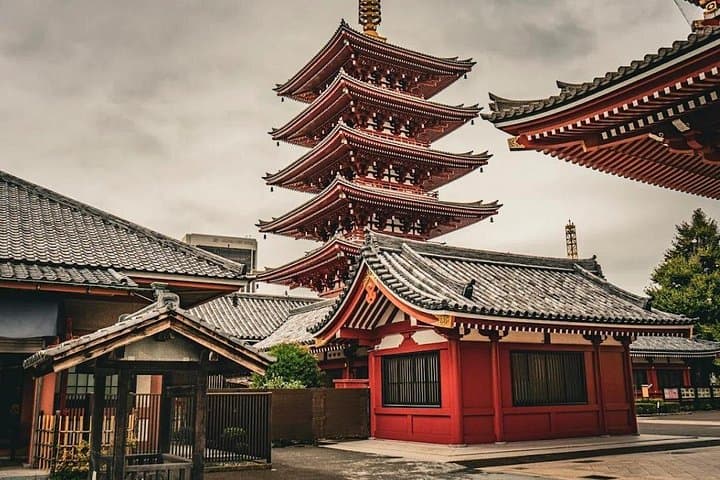
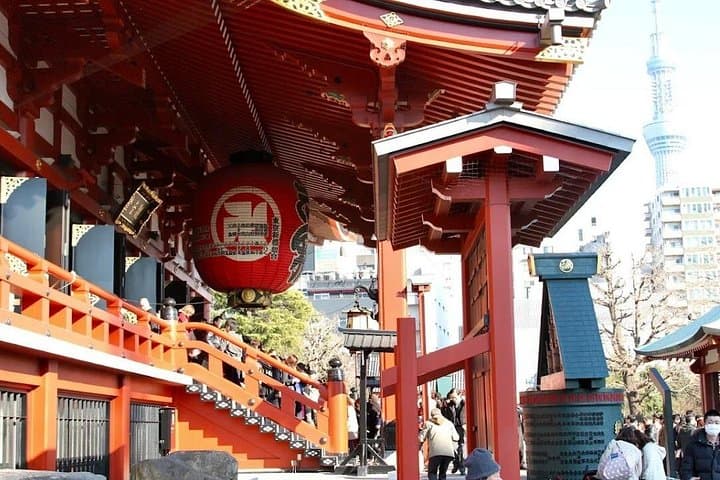
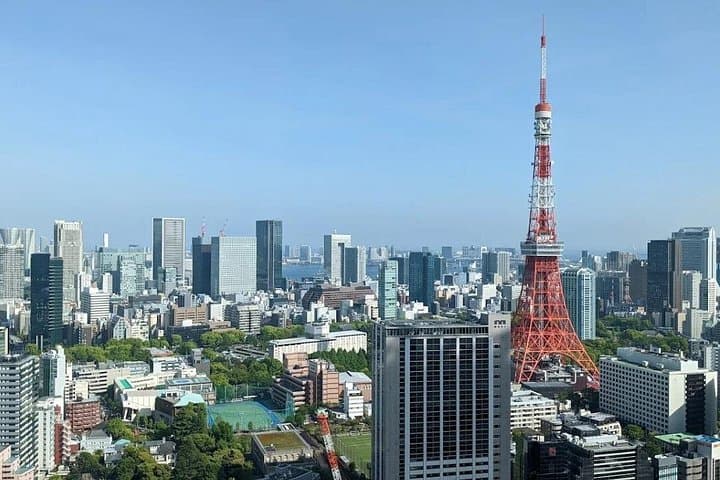
The tour begins at the Imperial Palace Outer Garden where stone bridges and the Nijubashi entrance frame the remains of Edo Castle — a compact lesson in samurai-era power and city planning. From the green hush of palace moats you move to Tokyo Tower’s observatory, a 333-meter vantage that lets the metropolis spread beneath you: train lines thread like veins, and the Sumida River dares the skyline to outrun it. The final stop, Sensō-ji in Asakusa, brings color and ceremony; pass through the thunderous Kaminarimon gate, browse Nakamise’s stalls, and feel centuries of pilgrimage in the pagoda’s shadow.
History here is literal: the palace sits atop Edo-era foundations, Sensō-ji dates to the 7th century, and Tokyo Tower marks postwar rebirth. Geology is urban — reclaimed river plains and manmade moats — but rivers and trees still shape how the city breathes.
Practical guidance: the itinerary takes about four hours with moderate walking and short bus transfers; expect steps getting on/off the vehicle and crowded alleys around Nakamise. Bring small local currency for street snacks, wear comfortable walking shoes, and time your visit early to avoid the densest crowds. Hydrate — Tokyo’s summers press heat against alleys — and respect temple etiquette: quiet, remove hats, and avoid flash photography in sacred spaces.
easy.
4 hours.
Suitable for most fitness levels — requires a few hours of standing and moderate walking with occasional steps.
Most departures list Tokyo Station as the pickup; confirm the exact exit and time on your booking voucher.
Yes — entrance fees noted in the itinerary (Imperial Palace Outer Garden, Tokyo Tower, Sensō-ji) are included in this tour price.
The tour is generally suitable for limited mobility but involves boarding a bus and short stair sections; contact the operator to confirm accommodations.
Yes — Nakamise Street offers snacks and light meals; bring small change and reserve time at the end of the tour for browsing and eating.
The Imperial Palace occupies the site of Edo Castle, political center of the Tokugawa shogunate; Sensō-ji dates to the 7th century and has long been a focal point of popular devotion in Edo/Tokyo.
High visitor numbers strain narrow shopping streets and temple precincts — stick to marked paths, avoid littering, and support local businesses that follow sustainable practices.
GetExplore operates guided outdoor trips and adventures with an emphasis on safety, stewardship, and memorable experiences.
Morning light slices between glass towers as you step off the bus into a city that alternates between calm gardens and humming streets.
Morning light slices between glass towers as you step off the bus into a city that alternates between calm gardens and humming streets.
The tour begins at the Imperial Palace Outer Garden where stone bridges and the Nijubashi entrance frame the remains of Edo Castle — a compact lesson in samurai-era power and city planning. From the green hush of palace moats you move to Tokyo Tower’s observatory, a 333-meter vantage that lets the metropolis spread beneath you: train lines thread like veins, and the Sumida River dares the skyline to outrun it. The final stop, Sensō-ji in Asakusa, brings color and ceremony; pass through the thunderous Kaminarimon gate, browse Nakamise’s stalls, and feel centuries of pilgrimage in the pagoda’s shadow.
History here is literal: the palace sits atop Edo-era foundations, Sensō-ji dates to the 7th century, and Tokyo Tower marks postwar rebirth. Geology is urban — reclaimed river plains and manmade moats — but rivers and trees still shape how the city breathes.
Practical guidance: the itinerary takes about four hours with moderate walking and short bus transfers; expect steps getting on/off the vehicle and crowded alleys around Nakamise. Bring small local currency for street snacks, wear comfortable walking shoes, and time your visit early to avoid the densest crowds. Hydrate — Tokyo’s summers press heat against alleys — and respect temple etiquette: quiet, remove hats, and avoid flash photography in sacred spaces.