THE ADVENTURE COLLECTIVE® · Independent discovery and booking for outdoor travel

Explore Terceira’s subterranean lava tunnels, steaming fumaroles, and the basalt tidal pools of Biscoitos on a 4‑hour guided tour. Expect uneven terrain, cool caverns, and hands-on geology lessons alongside coastal scenery.
Explore Terceira’s subterranean lava tunnels, steaming fumaroles, and the basalt tidal pools of Biscoitos on a 4‑hour guided tour. Expect uneven terrain, cool caverns, and hands-on geology lessons alongside coastal scenery.
You step off the minivan and the island breathes around you — salt on the air, the sharp scent of basalt, and fumaroles that huff steam like a living map of past eruptions.
Verified experiences and guided adventures in the surrounding area.
Operated by BLIKA · Angra do Heroísmo, Azores
You step off the minivan and the island breathes around you — salt on the air, the sharp scent of basalt, and fumaroles that huff steam like a living map of past eruptions.
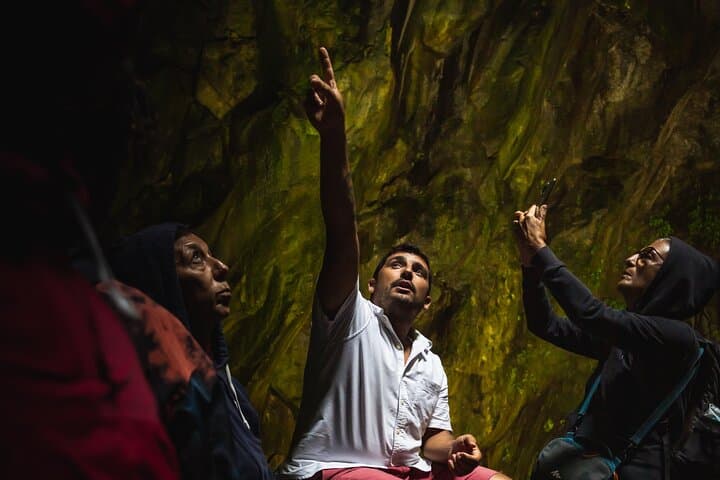
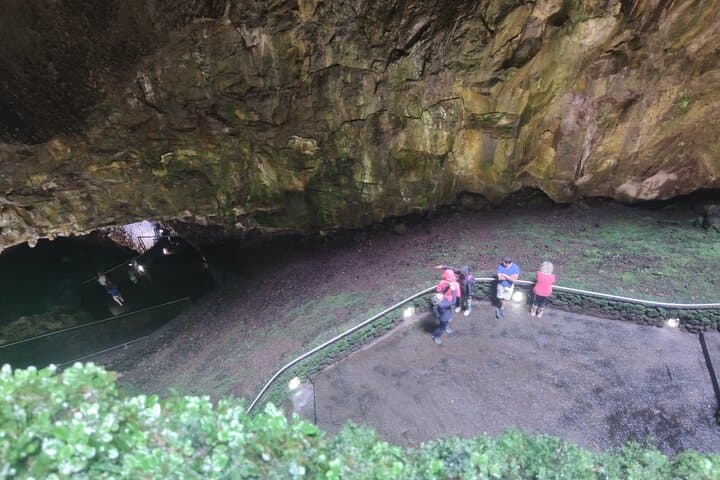
This half‑day tour on Terceira threads together lava tunnels, steaming fumaroles, and the black‑rock pools of Biscoitos. The lava tube offers a low, cool corridor where flow lines and collapsed roofs tell the story of molten rock moving under gravity; walking through feels like reading a geological diary. The fumarolic fields near the island’s volcanic spine demonstrate the active heat still present beneath the Azores, while the north coast’s tidal pools carve calm basins in volcanic rock and invite close study of marine life.
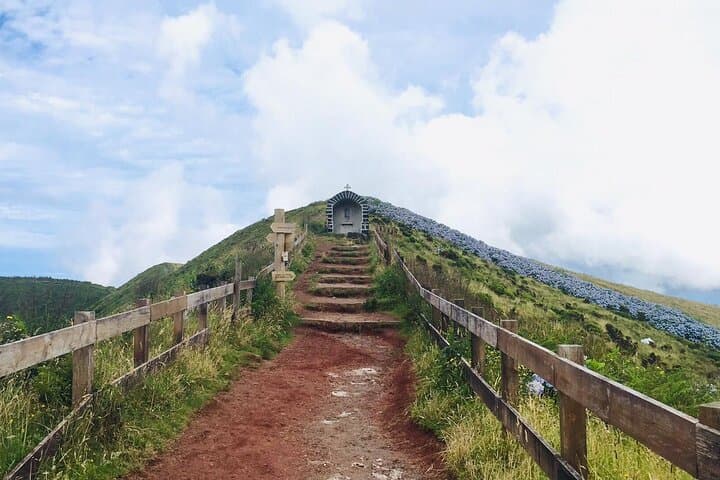
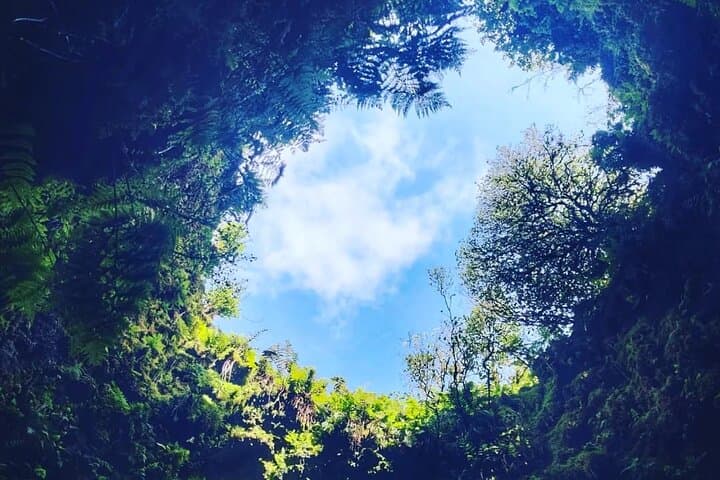
Terceira’s volcanic history shaped its fields and villages; Portuguese settlers adapted winemaking and fishing to the rugged shorelines, and sites like the Algar do Carvão reflect both natural wonder and local lore. Guides often weave cultural notes—from traditional stone walls to the island’s role as a waypoint in Atlantic navigation—into stops en route.
Practical guide: the tour runs about four hours with short, steep sections and uneven ground in caves and on coastal rock. Wear sturdy shoes with grip, bring a waterproof layer and a headlamp or reliable flashlight, and expect cool subterranean temperatures even on warm days. Hydrate before you go, mind the tide schedule at the pools, and follow your guide’s safety briefing inside lava passages. The experience is immediate and tactile: basalt that once flowed now challenges your boots, and the island’s vents and pools ask you to observe, not to disturb.
moderate.
4 hours.
Moderate fitness—comfortable walking on uneven ground, some stairs and short steep sections.
The tour is rated moderate—expect walking on uneven ground, low ceilings in lava tubes, and some stairs; good mobility is needed.
Yes, swimming is common at low tide, but always check sea conditions and follow your guide’s advice about safe entry points.
Guides typically provide safety briefings; some tours supply helmets—confirm with the operator at booking for this specific departure.
This tour may cancel or alter the route for safety in poor weather; refunds are generally available if canceled at least 24 hours prior.
Terceira’s landscape is a product of repeated volcanic episodes; human settlement adapted agriculture and fishing to fresh lava fields and coastal platforms.
Stick to marked paths, avoid removing shells or rock, and respect protected marine areas—local guides prioritize minimal impact and safety.
BLIKA operates guided outdoor trips and adventures with an emphasis on safety, stewardship, and memorable experiences.
You step off the minivan and the island breathes around you — salt on the air, the sharp scent of basalt, and fumaroles that huff steam like a living map of past eruptions.
You step off the minivan and the island breathes around you — salt on the air, the sharp scent of basalt, and fumaroles that huff steam like a living map of past eruptions.
This half‑day tour on Terceira threads together lava tunnels, steaming fumaroles, and the black‑rock pools of Biscoitos. The lava tube offers a low, cool corridor where flow lines and collapsed roofs tell the story of molten rock moving under gravity; walking through feels like reading a geological diary. The fumarolic fields near the island’s volcanic spine demonstrate the active heat still present beneath the Azores, while the north coast’s tidal pools carve calm basins in volcanic rock and invite close study of marine life.
Terceira’s volcanic history shaped its fields and villages; Portuguese settlers adapted winemaking and fishing to the rugged shorelines, and sites like the Algar do Carvão reflect both natural wonder and local lore. Guides often weave cultural notes—from traditional stone walls to the island’s role as a waypoint in Atlantic navigation—into stops en route.
Practical guide: the tour runs about four hours with short, steep sections and uneven ground in caves and on coastal rock. Wear sturdy shoes with grip, bring a waterproof layer and a headlamp or reliable flashlight, and expect cool subterranean temperatures even on warm days. Hydrate before you go, mind the tide schedule at the pools, and follow your guide’s safety briefing inside lava passages. The experience is immediate and tactile: basalt that once flowed now challenges your boots, and the island’s vents and pools ask you to observe, not to disturb.