THE ADVENTURE COLLECTIVE® · Independent discovery and booking for outdoor travel

A compact, interpretive half-day drive into Teide National Park that visits Los Roques de García, Las Cañadas and Vilaflor—perfect for travelers who want the high-altitude drama of Teide without a full-day hike.
A compact, interpretive half-day drive into Teide National Park that visits Los Roques de García, Las Cañadas and Vilaflor—perfect for travelers who want the high-altitude drama of Teide without a full-day hike.
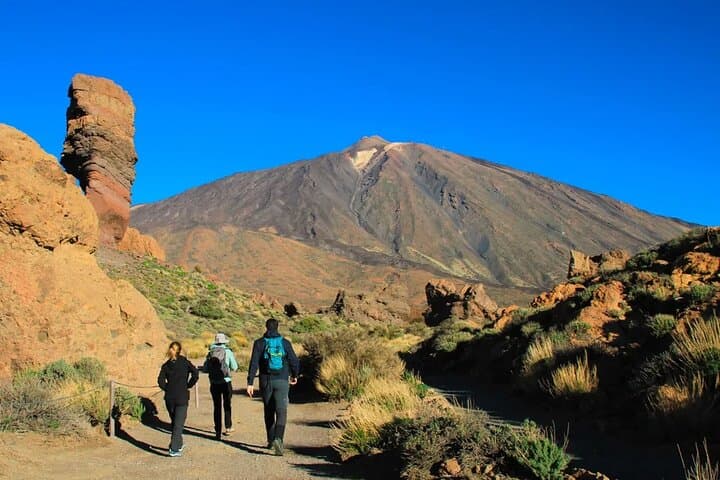
Wind scours the high road as the bus climbs from the southern resorts into a landscape of black glass and pale pumice. Passengers step out into thin air and a silence that makes the rocks seem to speak—the profile of Teide towering beyond, a dormant engine capped with snow in winter and baking to a bronze peak in summer.
Verified experiences and guided adventures in the surrounding area.
Operated by Atlantic Dolphin Travel S.L. · Vilaflor, Santa Cruz de Tenerife
Wind scours the high road as the bus climbs from the southern resorts into a landscape of black glass and pale pumice. Passengers step out into thin air and a silence that makes the rocks seem to speak—the profile of Teide towering beyond, a dormant engine capped with snow in winter and baking to a bronze peak in summer.
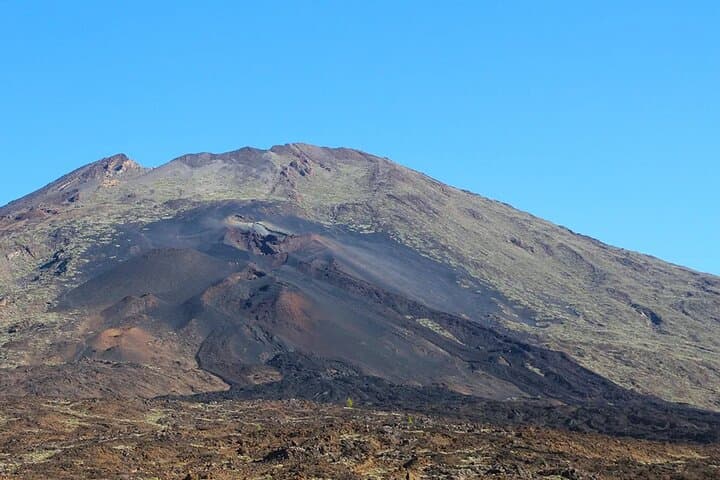
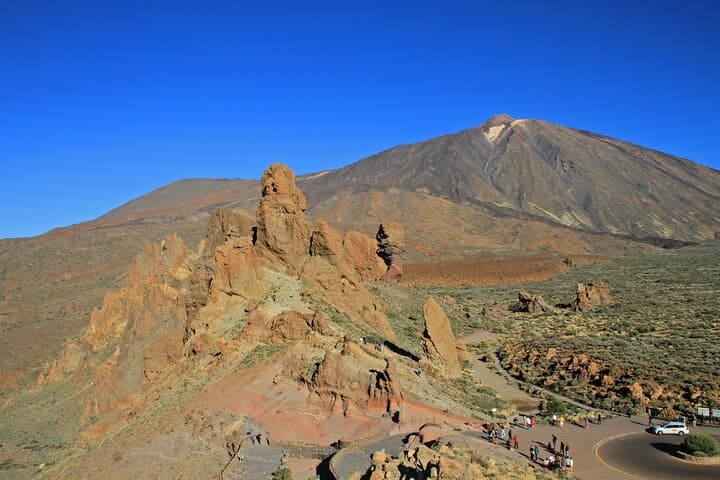
Teide National Park is the product of millions of years of volcanic activity; basalt flows, ash layers and the iconic Roques de García record explosive eruptions and slow lava growth. Declared a national park in 1954 and now Spain's most-visited protected area, the massif has cultural layers too—the island’s indigenous Guanche people treated the mountain as a place of power, and villages like Vilaflor still reflect traditional Canarian life.
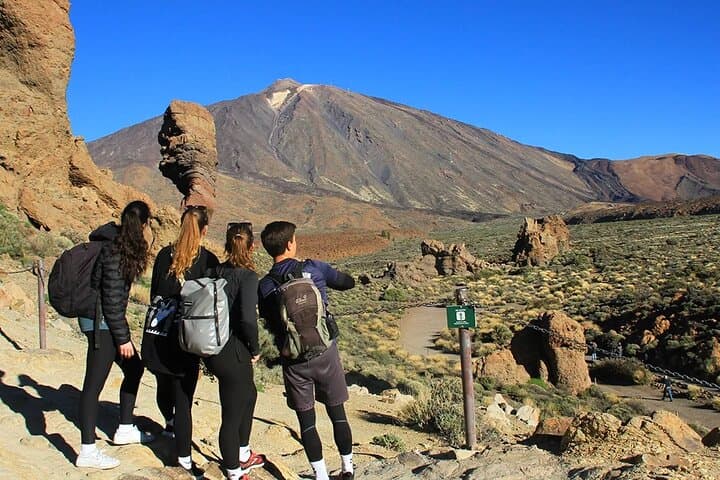
This half-day excursion moves by air-conditioned coach with an accredited guide, stopping at Las Cañadas del Teide, Los Roques de García and viewpoints over the Llanos de Ucanca. It’s a sampler rather than a summit attempt: the Teide cable car and summit permit are not included, but the route gives a clear sense of the park’s geology, flora (Canary Island pine, endemic shrubs) and scale.
Practical guidance: dress in layers for rapid temperature swings, bring sun protection and at least 1–2 liters of water, and expect light walking on uneven volcanic ground at altitude—altitude effects are possible above 2,000 m. Morning departures often mean clearer skies; if weather cancels the trip operators typically offer alternatives or refunds. The tour suits travelers who want a compact, interpretive window into one of Europe’s most dramatic volcanic landscapes.
easy.
5 hours.
Suitable for most fitness levels; involves short, mostly easy walks from the coach to viewpoints
No — the half-day itinerary visits viewpoints and Roques de García but does not include the cable car, summit permit or ascent to 3,550 m.
Pickup points vary by operator and hotel; confirm your pickup location at booking—many departures come from southern resorts like Costa Adeje.
Folding wheelchairs with removable wheels can be accommodated on the bus, but assistance is required for boarding and some viewpoints have uneven terrain.
The operator may cancel for safety; in that case you’ll usually be offered an alternative date or a full refund per their cancellation policy.
Teide’s volcanic building blocks formed over millions of years; the park was protected in 1954 and contains archaeological sites tied to the island’s indigenous Guanche culture.
The high-altitude ecosystem is fragile—stay on marked paths, avoid collecting rocks or plants, and follow guide instructions to limit erosion and disturbance.
Atlantic Dolphin Travel S.L. operates guided outdoor trips and adventures with an emphasis on safety, stewardship, and memorable experiences.
Wind scours the high road as the bus climbs from the southern resorts into a landscape of black glass and pale pumice. Passengers step out into thin air and a silence that makes the rocks seem to speak—the profile of Teide towering beyond, a dormant engine capped with snow in winter and baking to a bronze peak in summer.
Wind scours the high road as the bus climbs from the southern resorts into a landscape of black glass and pale pumice. Passengers step out into thin air and a silence that makes the rocks seem to speak—the profile of Teide towering beyond, a dormant engine capped with snow in winter and baking to a bronze peak in summer.
Teide National Park is the product of millions of years of volcanic activity; basalt flows, ash layers and the iconic Roques de García record explosive eruptions and slow lava growth. Declared a national park in 1954 and now Spain's most-visited protected area, the massif has cultural layers too—the island’s indigenous Guanche people treated the mountain as a place of power, and villages like Vilaflor still reflect traditional Canarian life.
This half-day excursion moves by air-conditioned coach with an accredited guide, stopping at Las Cañadas del Teide, Los Roques de García and viewpoints over the Llanos de Ucanca. It’s a sampler rather than a summit attempt: the Teide cable car and summit permit are not included, but the route gives a clear sense of the park’s geology, flora (Canary Island pine, endemic shrubs) and scale.
Practical guidance: dress in layers for rapid temperature swings, bring sun protection and at least 1–2 liters of water, and expect light walking on uneven volcanic ground at altitude—altitude effects are possible above 2,000 m. Morning departures often mean clearer skies; if weather cancels the trip operators typically offer alternatives or refunds. The tour suits travelers who want a compact, interpretive window into one of Europe’s most dramatic volcanic landscapes.