THE ADVENTURE COLLECTIVE® · Independent discovery and booking for outdoor travel

Spend a half day among Teide’s lava fields, dramatic rock formations and panoramic viewpoints. This 6‑hour excursion blends geology, local culture and a possible cable car ascent — plan ahead for altitude and book cable car tickets in advance.
Spend a half day among Teide’s lava fields, dramatic rock formations and panoramic viewpoints. This 6‑hour excursion blends geology, local culture and a possible cable car ascent — plan ahead for altitude and book cable car tickets in advance.
You step out of the van and the air sharpens — thinner, cooler, pinched by altitude. Dark basalt rolls away in waves: pahoehoe and ʻaʻā textures, former lava rivers frozen mid-flow. Above it all, Teide punctures the sky, its summit a pale crown at 3,718 m that has drawn scientists, filmmakers and hikers for generations.
Verified experiences and guided adventures in the surrounding area.
Operated by TENERIFE TRIPS & HOLIDAYS · Puerto de la Cruz, Tenerife
You step out of the van and the air sharpens — thinner, cooler, pinched by altitude. Dark basalt rolls away in waves: pahoehoe and ʻaʻā textures, former lava rivers frozen mid-flow. Above it all, Teide punctures the sky, its summit a pale crown at 3,718 m that has drawn scientists, filmmakers and hikers for generations.
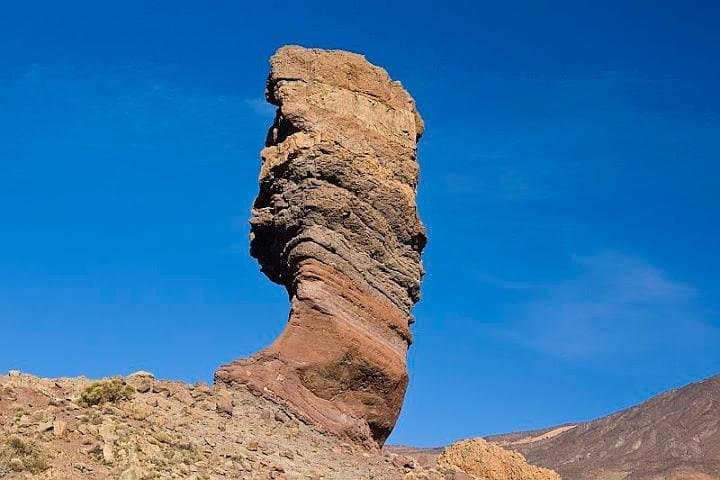
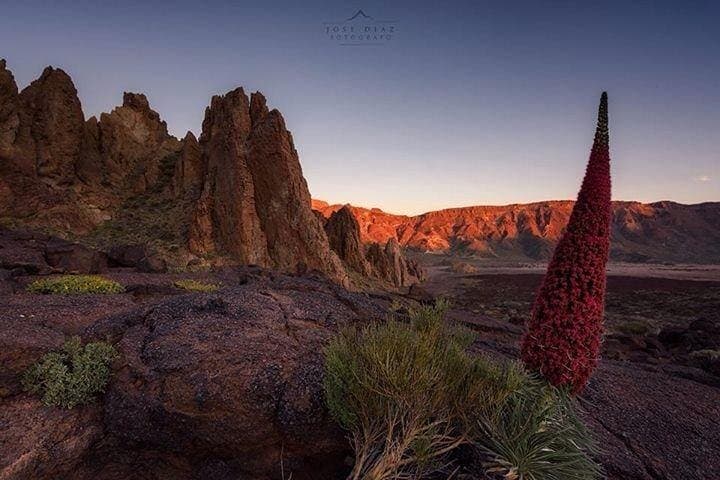
El Teide National Park is Spain’s most visited protected area and a UNESCO World Heritage site. Geologically it’s dramatic: a stratovolcano built atop an ancient shield, its slopes reveal layers of eruptions and explosive calderas. Roques de García — the viewpoint immortalized on old Spanish banknotes — offers one of the park’s most photographed angles, while other stops show canyons, volcanic cones and compacted ash plains that NASA has used as Moon- and Mars-analog testing ground.
Culturally, Teide sits in the heart of Tenerife’s identity; the Guanches considered it sacred and local villages developed unique mountain agriculture around its flanks. The experience is sensory: wind that pulls at your jacket, sun that demands SPF, and an oddly alien silence in the lunar hollows.
Practical guide: most half-day itineraries combine scenic stops and photo pauses with the option to use the cable car (book in advance — provider requires prearranged tickets). Expect a half-day (around six hours door-to-door), short uneven walks at altitude, and sharp temperature swings. Bring layered clothing, sun protection, and at least 1–2 liters of water. If you have cardiovascular issues or pregnancy, consult your doctor — the elevation and cable car restrictions make this outing unsuitable for everyone. Arrive early to avoid crowds and prioritize the Roques de García viewpoint while light is best.
moderate.
6 hours.
Suitable for travelers with light to moderate fitness; must be able to walk short uneven trails at high elevation.
Yes — if you plan to use the cable car, arrange tickets ahead of the tour as availability can be limited and the operator requests prebooking.
Children can ride but cable car rules restrict very young children; the tour is not recommended for pregnant travelers or those with serious heart or cardiovascular conditions.
Teide’s summit is 3,718 m; many viewpoints visit high elevations where shortness of breath and mild altitude symptoms are possible—move slowly and hydrate.
Facilities are limited; some stops have paid restrooms and the cable car base has services — bring snacks and water for the half‑day.
Mount Teide was sacred to the indigenous Guanche people and the park preserves geological records of repeated volcanic activity that shaped Tenerife over millions of years.
El Teide is a protected UNESCO site with strict path restrictions; stay on marked trails, pack out waste, and respect restricted areas to protect fragile volcanic soils and endemic species.
TENERIFE TRIPS & HOLIDAYS operates guided outdoor trips and adventures with an emphasis on safety, stewardship, and memorable experiences.
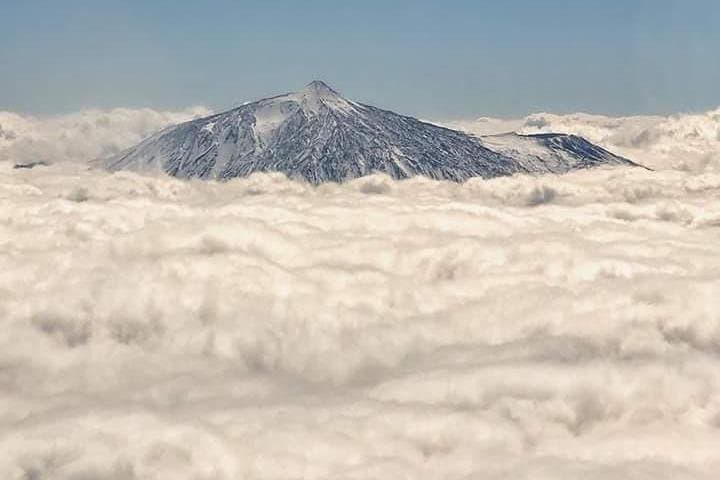
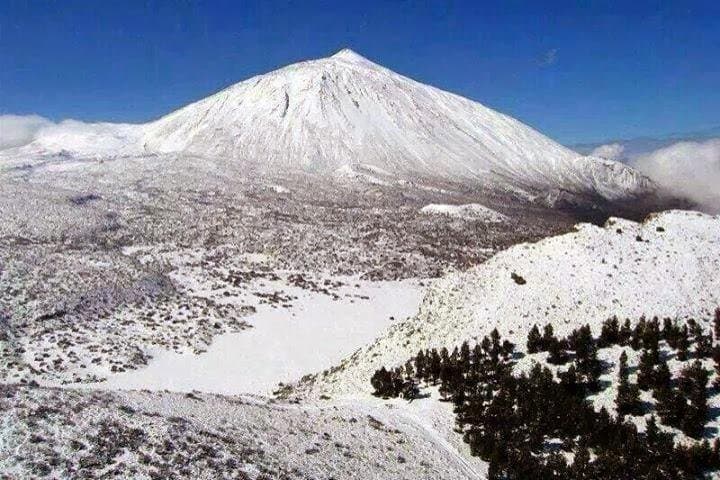
You step out of the van and the air sharpens — thinner, cooler, pinched by altitude. Dark basalt rolls away in waves: pahoehoe and ʻaʻā textures, former lava rivers frozen mid-flow. Above it all, Teide punctures the sky, its summit a pale crown at 3,718 m that has drawn scientists, filmmakers and hikers for generations.
You step out of the van and the air sharpens — thinner, cooler, pinched by altitude. Dark basalt rolls away in waves: pahoehoe and ʻaʻā textures, former lava rivers frozen mid-flow. Above it all, Teide punctures the sky, its summit a pale crown at 3,718 m that has drawn scientists, filmmakers and hikers for generations.
El Teide National Park is Spain’s most visited protected area and a UNESCO World Heritage site. Geologically it’s dramatic: a stratovolcano built atop an ancient shield, its slopes reveal layers of eruptions and explosive calderas. Roques de García — the viewpoint immortalized on old Spanish banknotes — offers one of the park’s most photographed angles, while other stops show canyons, volcanic cones and compacted ash plains that NASA has used as Moon- and Mars-analog testing ground.
Culturally, Teide sits in the heart of Tenerife’s identity; the Guanches considered it sacred and local villages developed unique mountain agriculture around its flanks. The experience is sensory: wind that pulls at your jacket, sun that demands SPF, and an oddly alien silence in the lunar hollows.
Practical guide: most half-day itineraries combine scenic stops and photo pauses with the option to use the cable car (book in advance — provider requires prearranged tickets). Expect a half-day (around six hours door-to-door), short uneven walks at altitude, and sharp temperature swings. Bring layered clothing, sun protection, and at least 1–2 liters of water. If you have cardiovascular issues or pregnancy, consult your doctor — the elevation and cable car restrictions make this outing unsuitable for everyone. Arrive early to avoid crowds and prioritize the Roques de García viewpoint while light is best.