THE ADVENTURE COLLECTIVE® · Independent discovery and booking for outdoor travel

Move through Tamale’s bustling market, learn leatherwork at Dakpema, and try traditional shea butter production in a half-day cultural tour. Practical, hands-on, and led by local guides who bring the city’s history to life.
Move through Tamale’s bustling market, learn leatherwork at Dakpema, and try traditional shea butter production in a half-day cultural tour. Practical, hands-on, and led by local guides who bring the city’s history to life.
The day begins under a wide, equatorial sky as you step into Tamale’s busy market—the air warm, voices trading quick rhythms, and sacks of millet and spices crowding narrow aisles. Local sellers call out; woven baskets, leather goods and shea nuts spill from stalls. The city’s pulse is immediate and hands-on.
Verified experiences and guided adventures in the surrounding area.
Operated by Best Ghana Tours · Tamale, Northern Region
The day begins under a wide, equatorial sky as you step into Tamale’s busy market—the air warm, voices trading quick rhythms, and sacks of millet and spices crowding narrow aisles. Local sellers call out; woven baskets, leather goods and shea nuts spill from stalls. The city’s pulse is immediate and hands-on.
Tamale sits at the heart of Ghana’s Northern Region and is the traditional seat of the Dagbon kingdom. The tour threads through living craft traditions: Dakpema’s leather workshops where hides are cut and finished by hand, the Cultural Center that archives regional dress and song, and women’s cooperatives that press shea into butter using techniques passed across generations. The Central Mosque anchors the cityscape—an architectural focal point and daily rhythm-setter for the community.
Geology is plain but present: flat savannah plain, red lateritic soils, and a landscape shaped by seasonal rains that push commerce indoors in wet months and floodlight markets in dry months. Cultural context matters here—respect mosque etiquette, ask before photographing people, and be prepared to barter if you want souvenirs.
Practical guidance: plan 2–4 hours, wear closed-toe walking shoes for dusty alleys, bring cash in small denominations, and carry a refillable water bottle—the guide usually provides bottled water. Morning visits are cooler and best for active stalls; afternoons suit workshops when craftspeople are at benches. Expect slow, friendly interactions that are part market, part living museum—engage, taste, and try a small hands-on craft to leave with a tangible memory.
easy.
2–4 hours.
Suitable for travelers of average mobility; involves walking on uneven, dusty surfaces and standing during demonstrations.
The tour runs about 2–4 hours depending on stops you select and traffic; you can choose shorter or longer private options.
No—shopping is at your discretion; bring cash for local crafts and negotiate prices politely.
Visitors may view the exterior and grounds; if interior access is allowed, modest dress and respectful behavior are required—check with your guide beforehand.
Yes—the tour is rated easy and family-friendly, but infants should sit on laps and parents should supervise busy market areas.
Tamale grew as the administrative capital of Ghana’s Northern Region and as the center of the Dagbon kingdom; its markets and craft guilds reflect centuries of trans-Sahel trade and local craft lineage.
Support conservation by buying directly from artisans, avoiding single-use plastics, and following local guidance to limit impact in crowded market and cultural sites.
Best Ghana Tours operates guided outdoor trips and adventures with an emphasis on safety, stewardship, and memorable experiences.

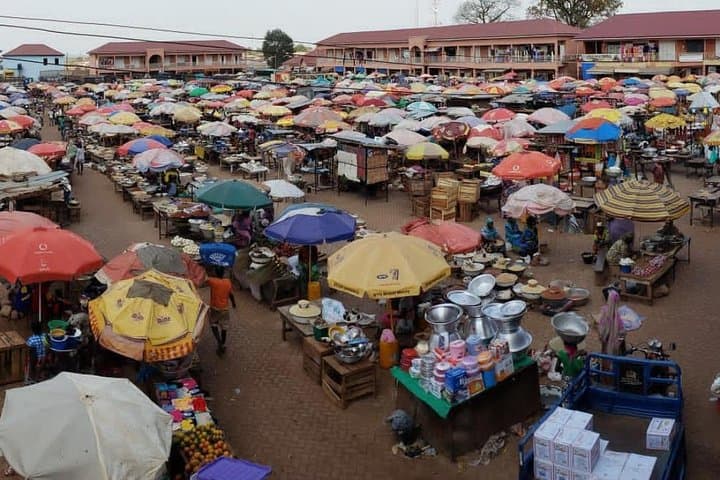

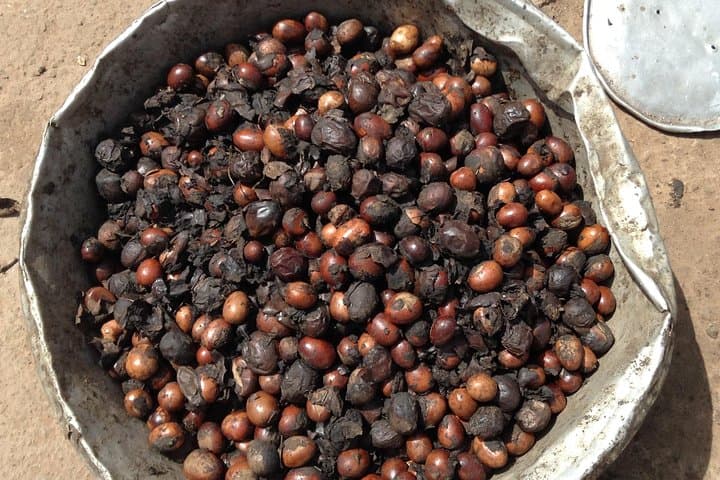
The day begins under a wide, equatorial sky as you step into Tamale’s busy market—the air warm, voices trading quick rhythms, and sacks of millet and spices crowding narrow aisles. Local sellers call out; woven baskets, leather goods and shea nuts spill from stalls. The city’s pulse is immediate and hands-on.
The day begins under a wide, equatorial sky as you step into Tamale’s busy market—the air warm, voices trading quick rhythms, and sacks of millet and spices crowding narrow aisles. Local sellers call out; woven baskets, leather goods and shea nuts spill from stalls. The city’s pulse is immediate and hands-on.
Tamale sits at the heart of Ghana’s Northern Region and is the traditional seat of the Dagbon kingdom. The tour threads through living craft traditions: Dakpema’s leather workshops where hides are cut and finished by hand, the Cultural Center that archives regional dress and song, and women’s cooperatives that press shea into butter using techniques passed across generations. The Central Mosque anchors the cityscape—an architectural focal point and daily rhythm-setter for the community.
Geology is plain but present: flat savannah plain, red lateritic soils, and a landscape shaped by seasonal rains that push commerce indoors in wet months and floodlight markets in dry months. Cultural context matters here—respect mosque etiquette, ask before photographing people, and be prepared to barter if you want souvenirs.
Practical guidance: plan 2–4 hours, wear closed-toe walking shoes for dusty alleys, bring cash in small denominations, and carry a refillable water bottle—the guide usually provides bottled water. Morning visits are cooler and best for active stalls; afternoons suit workshops when craftspeople are at benches. Expect slow, friendly interactions that are part market, part living museum—engage, taste, and try a small hands-on craft to leave with a tangible memory.