THE ADVENTURE COLLECTIVE® · Independent discovery and booking for outdoor travel

Spend a half-day out of Durban combining a compact safari at Tala Game Reserve with an immersive Zulu village performance and reptile park visit. This accessible tour delivers close wildlife encounters and cultural insight in about six hours.
Spend a half-day out of Durban combining a compact safari at Tala Game Reserve with an immersive Zulu village performance and reptile park visit. This accessible tour delivers close wildlife encounters and cultural insight in about six hours.
A half-day sun lifts over rolling grasslands as the open safari vehicle bumps onto a dusty track, and the first giraffe tilts down to browse like an unhurried guest. The route from Durban threads through the Valley of a Thousand Hills—clay slopes, escarpment edges, and river-cut valleys—before opening onto Tala Game Reserve where plains invite close, short-duration wildlife viewing.
Verified experiences and guided adventures in the surrounding area.
Operated by African Sun Safaris · Durban, KwaZulu-Natal
A half-day sun lifts over rolling grasslands as the open safari vehicle bumps onto a dusty track, and the first giraffe tilts down to browse like an unhurried guest. The route from Durban threads through the Valley of a Thousand Hills—clay slopes, escarpment edges, and river-cut valleys—before opening onto Tala Game Reserve where plains invite close, short-duration wildlife viewing.
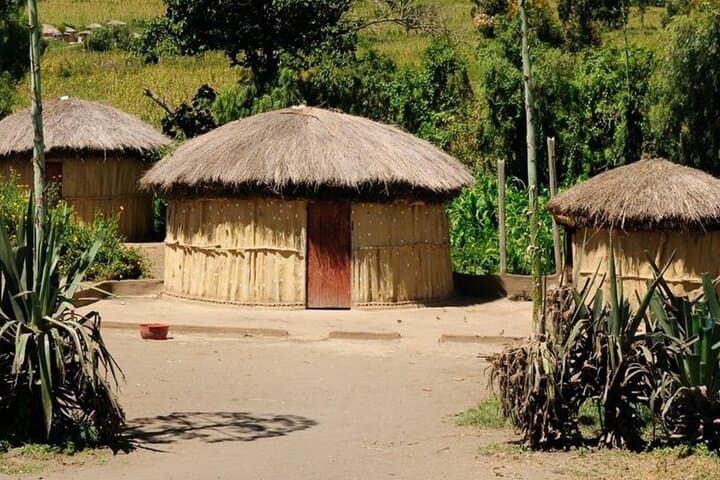
Tala sits on KwaZulu-Natal’s coastal plateau, part of a landscape carved by rivers and underlain by sandstones and dolerite sills. The reserve protects mixed grassland and riverine pockets that support giraffe, zebra, rhino, hippo, and herds of impala and kudu, along with 300+ bird species. Nearby, Phezulu Safari Park stages an interpretive Zulu village and dance performance that unpacks local customs, oral history, and traditional crafts; its reptile park offers a hands-on complement to the safari with crocodiles and snakes under supervision.
Practicalities are straightforward: the tour runs about six hours with round-trip transfers from Durban, and is suitable for most fitness levels—expect short walks, vehicle-based game drives, and cultural demonstrations. Wear closed-toe shoes for village paths, bring sun protection, binoculars and a camera with a mid-range zoom for animals, and a light jacket for morning chills. Because Tala can be substituted with nearby Gwahumbe, keep flexibility for slightly different terrain. Aim for morning departures for cooler wildlife activity and clearer photographic light. Hydrate, respect cultural protocols during village visits, and leave room for small purchases of local crafts—these brief encounters deliver concentrated wildlife viewing and an authentic cultural exchange without a full-day commitment.
easy.
6 hours.
Suitable for most fitness levels—short walks and mostly vehicle-based viewing; able to board low-entry safari vehicles
The tour is approximately six hours and includes a game drive at Tala (or Gwahumbe if substituted), a visit to a Zulu cultural village with dance, and entry to the reptile park, plus guided transport from Durban.
Yes—this half-day is family-friendly and marked as wheelchair accessible; however vehicle boarding and some uneven paths at village areas may require assistance.
Common sightings include giraffes, zebras, impala, kudu, hippos (near water), and sometimes white rhino; birdlife is abundant—expect kingfishers, rollers and raptors.
Yes—if Tala is unavailable the operator may use nearby Gwahumbe Game Reserve, which offers similar game-viewing opportunities and terrain.
The Valley of a Thousand Hills has long been home to Zulu communities; Phezulu’s cultural village presents traditional homestead layouts and dance that echo regional practices dating back centuries.
Tala focuses on habitat preservation and responsible viewing—stay on designated tracks and avoid feeding wildlife; community-led cultural sites help funnel tourism income back to local artisans and conservation projects.
African Sun Safaris operates guided outdoor trips and adventures with an emphasis on safety, stewardship, and memorable experiences.



A half-day sun lifts over rolling grasslands as the open safari vehicle bumps onto a dusty track, and the first giraffe tilts down to browse like an unhurried guest. The route from Durban threads through the Valley of a Thousand Hills—clay slopes, escarpment edges, and river-cut valleys—before opening onto Tala Game Reserve where plains invite close, short-duration wildlife viewing.
A half-day sun lifts over rolling grasslands as the open safari vehicle bumps onto a dusty track, and the first giraffe tilts down to browse like an unhurried guest. The route from Durban threads through the Valley of a Thousand Hills—clay slopes, escarpment edges, and river-cut valleys—before opening onto Tala Game Reserve where plains invite close, short-duration wildlife viewing.
Tala sits on KwaZulu-Natal’s coastal plateau, part of a landscape carved by rivers and underlain by sandstones and dolerite sills. The reserve protects mixed grassland and riverine pockets that support giraffe, zebra, rhino, hippo, and herds of impala and kudu, along with 300+ bird species. Nearby, Phezulu Safari Park stages an interpretive Zulu village and dance performance that unpacks local customs, oral history, and traditional crafts; its reptile park offers a hands-on complement to the safari with crocodiles and snakes under supervision.
Practicalities are straightforward: the tour runs about six hours with round-trip transfers from Durban, and is suitable for most fitness levels—expect short walks, vehicle-based game drives, and cultural demonstrations. Wear closed-toe shoes for village paths, bring sun protection, binoculars and a camera with a mid-range zoom for animals, and a light jacket for morning chills. Because Tala can be substituted with nearby Gwahumbe, keep flexibility for slightly different terrain. Aim for morning departures for cooler wildlife activity and clearer photographic light. Hydrate, respect cultural protocols during village visits, and leave room for small purchases of local crafts—these brief encounters deliver concentrated wildlife viewing and an authentic cultural exchange without a full-day commitment.