THE ADVENTURE COLLECTIVE® · Independent discovery and booking for outdoor travel

Walk the archaeology and alleys of Syracuse on a guided half-day that links the Neapolis Greek theatre with Ortigia’s cathedral and the Aretusa spring. Expect close-up history, coastal limestone scenery, and market flavors if you opt in.
Walk the archaeology and alleys of Syracuse on a guided half-day that links the Neapolis Greek theatre with Ortigia’s cathedral and the Aretusa spring. Expect close-up history, coastal limestone scenery, and market flavors if you opt in.
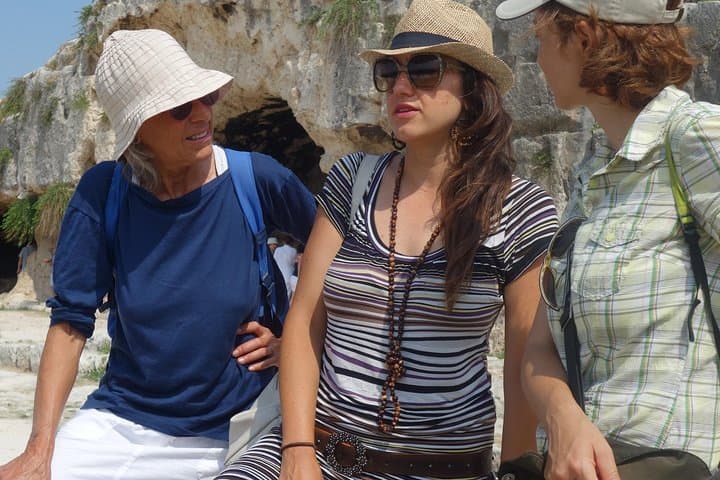
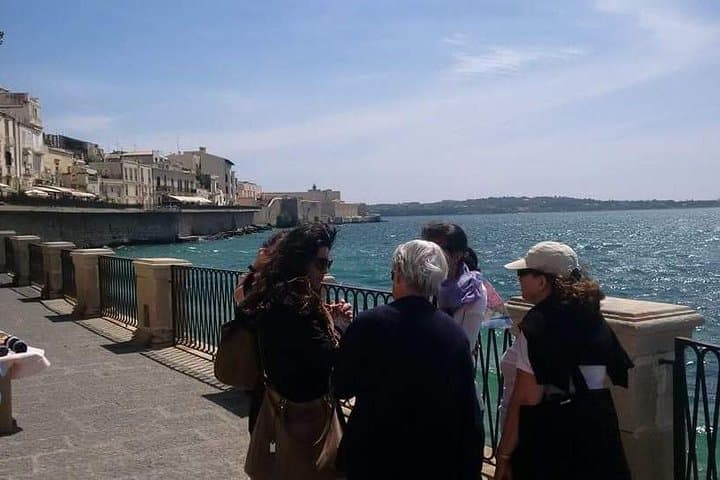
The morning light slants across honeyed limestone as you meet your guide at Bar Dionisio, just outside the gates of Neapolis Archaeological Park. Footsteps echo on ancient stone; the Greek theatre looms, rows cut into the hill like a human-made amphitheater waiting for a chorus. You move from quarry to cave, from sacrificial altar to Roman amphitheatre, the city’s layered past unspooling as streets narrow toward the island of Ortigia and the fresh-water spring of Aretusa.
Verified experiences and guided adventures in the surrounding area.
Operated by Letizia Tour Guide in Syracuse · Syracuse, Sicily
The morning light slants across honeyed limestone as you meet your guide at Bar Dionisio, just outside the gates of Neapolis Archaeological Park. Footsteps echo on ancient stone; the Greek theatre looms, rows cut into the hill like a human-made amphitheater waiting for a chorus. You move from quarry to cave, from sacrificial altar to Roman amphitheatre, the city’s layered past unspooling as streets narrow toward the island of Ortigia and the fresh-water spring of Aretusa.
Syracuse was a major Greek polis and later a Roman hub—Hieron II left visible marks in monumental architecture, while successive centuries stitched Norman, Baroque and medieval elements into the cathedral façade. The geology is immediate: soft calcarenite quarried for theatres and altars, coastal limestone shaped by wind and sea, and the thin soils that force scrub and citrus into tight, fragrant pockets. Culture here is tactile—market vendors call out sashimi-thin swordfish, cheeses, and citrus; fishermen mend nets on the quays.
Expect a paced, local-led walk: 3 hours of urban hiking with many stops for storytelling, photo ops and sampling (market add-on optional). Practical notes: wear sturdy walking shoes for uneven pavements and shallow steps, bring a refillable water bottle, and plan the tour before the noon heat in summer. The route is largely accessible but includes cobbles and short staircases. Take time to linger at Arethusa’s spring and the cathedral’s layered façade—both reward a slower eye and respect for fragile stonework.
easy.
3 hours.
Suitable for most fitness levels; includes walking on uneven surfaces and short staircases.
No, admission is not included; entry tickets are purchased separately at the park unless you choose a package that covers them.
The guide meets guests in front of Bar Dionisio at the entrance area of Neapolis Archaeological Park—look for the meeting description in your confirmation.
The tour is listed as wheelchair accessible, but expect cobblestones and some short staircases in Ortigia; contact the operator to confirm route adjustments for mobility needs.
Yes—there’s an optional market segment where you can sample local specialties; bring small change and let the guide know if you have dietary restrictions.
Syracuse was founded by Greek settlers in the 8th century BCE and grew into a major classical polis; Hieron II’s Hellenistic and Roman-era projects left visible monuments in Neapolis and Ortigia.
The archaeological sites are vulnerable to erosion and visitor impact—stay on marked paths, avoid touching frescoes or carved stone, and support local businesses to keep tourism sustainable.
Letizia Tour Guide in Syracuse operates guided outdoor trips and adventures with an emphasis on safety, stewardship, and memorable experiences.
The morning light slants across honeyed limestone as you meet your guide at Bar Dionisio, just outside the gates of Neapolis Archaeological Park. Footsteps echo on ancient stone; the Greek theatre looms, rows cut into the hill like a human-made amphitheater waiting for a chorus. You move from quarry to cave, from sacrificial altar to Roman amphitheatre, the city’s layered past unspooling as streets narrow toward the island of Ortigia and the fresh-water spring of Aretusa.
The morning light slants across honeyed limestone as you meet your guide at Bar Dionisio, just outside the gates of Neapolis Archaeological Park. Footsteps echo on ancient stone; the Greek theatre looms, rows cut into the hill like a human-made amphitheater waiting for a chorus. You move from quarry to cave, from sacrificial altar to Roman amphitheatre, the city’s layered past unspooling as streets narrow toward the island of Ortigia and the fresh-water spring of Aretusa.
Syracuse was a major Greek polis and later a Roman hub—Hieron II left visible marks in monumental architecture, while successive centuries stitched Norman, Baroque and medieval elements into the cathedral façade. The geology is immediate: soft calcarenite quarried for theatres and altars, coastal limestone shaped by wind and sea, and the thin soils that force scrub and citrus into tight, fragrant pockets. Culture here is tactile—market vendors call out sashimi-thin swordfish, cheeses, and citrus; fishermen mend nets on the quays.
Expect a paced, local-led walk: 3 hours of urban hiking with many stops for storytelling, photo ops and sampling (market add-on optional). Practical notes: wear sturdy walking shoes for uneven pavements and shallow steps, bring a refillable water bottle, and plan the tour before the noon heat in summer. The route is largely accessible but includes cobbles and short staircases. Take time to linger at Arethusa’s spring and the cathedral’s layered façade—both reward a slower eye and respect for fragile stonework.