THE ADVENTURE COLLECTIVE® · Independent discovery and booking for outdoor travel

Spend a focused half-day exploring historic Stellenbosch and sampling estate wines, with a guided orientation through Dorp Street and one curated tasting at a local estate. Ideal for travelers short on time who want a compact introduction to the Cape Winelands.
Spend a focused half-day exploring historic Stellenbosch and sampling estate wines, with a guided orientation through Dorp Street and one curated tasting at a local estate. Ideal for travelers short on time who want a compact introduction to the Cape Winelands.
You step from Cape Town traffic into a corridor of vineyards and blue mountain ridgelines; the air shifts—drier, scented with earth and cut grass—and a guide points out Cape Dutch gables as the minibus winds toward Stellenbosch.
Verified experiences and guided adventures in the surrounding area.
Operated by Cullinan Guided Journeys · Stellenbosch, Western Cape
You step from Cape Town traffic into a corridor of vineyards and blue mountain ridgelines; the air shifts—drier, scented with earth and cut grass—and a guide points out Cape Dutch gables as the minibus winds toward Stellenbosch.
Stellenbosch is one of South Africa’s oldest European settlements, its streets laid out in the 17th and 18th centuries around oak-lined lanes and distinctive whitewashed homesteads. Geologically, the area sits on weathered Table Mountain sandstone and shale slopes, which drain quickly and encourage concentrated flavors in grapes—a reason winemakers favor the Stellenbosch terroirs. The local culture mixes university energy with centuries of winemaking craftsmanship: tasting rooms are as much about stories of soil and method as they are about the pour.
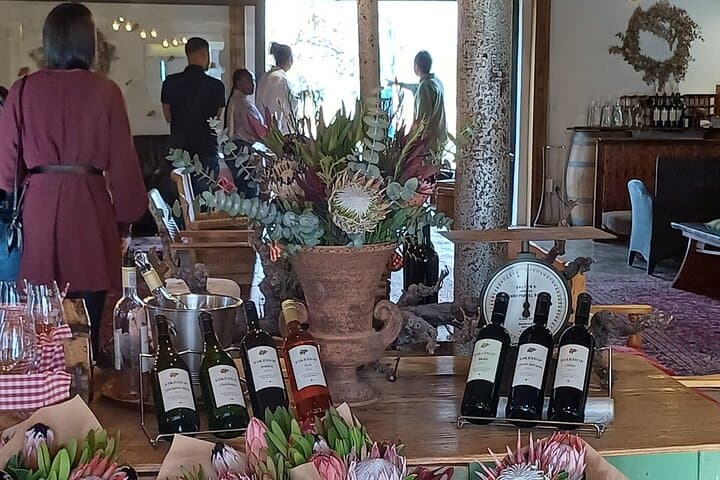
On a half-day tour expect a short orientation drive through historic Dorp Street, one estate tasting (typically 3–5 wines), and time to absorb vineyard views before returning to Cape Town. The experience is low-impact physically but high on sensory detail: tannins that pull, winds that push cool air down from the mountains, and guides who will explain varietals and production methods.
Practical guidance: book morning departures to avoid afternoon traffic and heat; bring a light jacket for coastal breezes and a reusable water bottle to stay grounded between tastings. If you’re organizing pickup from a hotel, reconfirm 48 hours ahead. The tour suits travelers seeking a concise introduction to Stellenbosch wines and the town’s architectural character without committing a full day.
easy.
3 hours.
Minimal fitness required; mostly seated transport and short, level walks around a tasting room and town streets.
The tour runs approximately 3 hours, including pickup from Cape Town, a short town orientation, and one wine tasting at a Stellenbosch estate.
No—this half-day option includes one wine tasting only; consider having a light meal before or after the tour in Stellenbosch.
Yes—advise special dietary requirements when booking so the operator can adjust arrangements if needed.
Bring a government-issued ID for age verification at the tasting venue; it’s standard practice for alcohol service.
Stellenbosch was founded in 1679 and developed alongside South Africa’s wine industry; many estates trace operations back multiple generations and feature Cape Dutch architecture.
The region sits within the unique fynbos biome—water management and responsible tasting-room waste practices are priorities; choose wineries with sustainable certifications when possible.
Cullinan Guided Journeys operates guided outdoor trips and adventures with an emphasis on safety, stewardship, and memorable experiences.

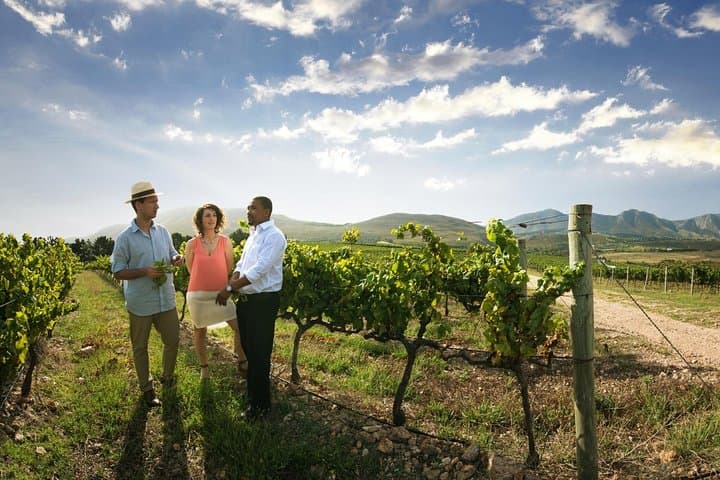

You step from Cape Town traffic into a corridor of vineyards and blue mountain ridgelines; the air shifts—drier, scented with earth and cut grass—and a guide points out Cape Dutch gables as the minibus winds toward Stellenbosch.
You step from Cape Town traffic into a corridor of vineyards and blue mountain ridgelines; the air shifts—drier, scented with earth and cut grass—and a guide points out Cape Dutch gables as the minibus winds toward Stellenbosch.
Stellenbosch is one of South Africa’s oldest European settlements, its streets laid out in the 17th and 18th centuries around oak-lined lanes and distinctive whitewashed homesteads. Geologically, the area sits on weathered Table Mountain sandstone and shale slopes, which drain quickly and encourage concentrated flavors in grapes—a reason winemakers favor the Stellenbosch terroirs. The local culture mixes university energy with centuries of winemaking craftsmanship: tasting rooms are as much about stories of soil and method as they are about the pour.
On a half-day tour expect a short orientation drive through historic Dorp Street, one estate tasting (typically 3–5 wines), and time to absorb vineyard views before returning to Cape Town. The experience is low-impact physically but high on sensory detail: tannins that pull, winds that push cool air down from the mountains, and guides who will explain varietals and production methods.
Practical guidance: book morning departures to avoid afternoon traffic and heat; bring a light jacket for coastal breezes and a reusable water bottle to stay grounded between tastings. If you’re organizing pickup from a hotel, reconfirm 48 hours ahead. The tour suits travelers seeking a concise introduction to Stellenbosch wines and the town’s architectural character without committing a full day.