THE ADVENTURE COLLECTIVE® · Independent discovery and booking for outdoor travel

Float from Totnes into the tidal sweep of the River Dart on a guided 3-hour stand-up paddleboard tour. Learn basics with qualified coaches, spot estuary wildlife, and paddle through farmland-to-sea scenery.
Float from Totnes into the tidal sweep of the River Dart on a guided 3-hour stand-up paddleboard tour. Learn basics with qualified coaches, spot estuary wildlife, and paddle through farmland-to-sea scenery.
A cool morning breathes over the River Dart as you push off from Totnes quay, board skimming the slow current while gulls wheel above. Paddle in hand, you feel the river pull you downstream; the Dart moves with intent, pushing you past willow-lined banks and small farm fields opening to the estuary.
Verified experiences and guided adventures in the surrounding area.
Operated by Rock The Boat Activities · Totnes, Devon
A cool morning breathes over the River Dart as you push off from Totnes quay, board skimming the slow current while gulls wheel above. Paddle in hand, you feel the river pull you downstream; the Dart moves with intent, pushing you past willow-lined banks and small farm fields opening to the estuary.
The Dart starts on Dartmoor’s uplands and loosens into a tidal estuary that has long powered local trade—Totnes and nearby Dartmouth grew as market towns and small ports. Geologically, the lower river reveals estuarine mudflats and salt marshes shaped by tidal push and fluvial sediment, while the upper reaches cut through older moorland granite and folded Devonian bedrock.
Culturally, the river is alive with rowing clubs, leisure boating and a tradition of small-scale fishing; guides often point out old ferry crossings and manor house boathouses along the route. Wildlife is active here: kingfishers flash, seals sometimes cruise the estuary, and waders probe the mud at low tide.
Practically, expect a guided 3-hour outing from Totnes for all skill levels. Instruction and buoyancy aids are provided; typical paddling distance is 6–8 km depending on tide and group pace. Mornings are calmer for flat-water learning; afternoons can bring stronger tidal flow near the estuary mouth. Wear swimwear or quick-dry layers, bring water, sun protection, and a towel—the operator supplies SUP boards, paddles, buoyancy aids and a dry bag for valuables. Check tide times and weather before you go, and allow 30–45 minutes for basic coaching at the start.
easy.
3 hours.
Suitable for most fitness levels; able-bodied participants who can stand and balance for short periods will be comfortable.
No—tours include basic coaching suitable for beginners; guides adapt the session to the group’s skill level.
Bring swimwear or quick-dry clothing, sun protection, water and a towel; guides provide SUP boards, paddles, buoyancy aids and dry bags for valuables.
Tours depart from Totnes quay; Totnes is accessible by train and local buses, and public parking is available nearby—confirm meeting details when booking.
The operator cancels for unsafe conditions; for this tour a full refund is available if you cancel at least 24 hours in advance per the standard policy.
The River Dart supported medieval trade and small-scale shipbuilding; Totnes developed as a market and river-crossing with centuries of river-based commerce.
The estuary includes sensitive salt-marsh and mudflat habitats—stay on the water, avoid disturbing nesting birds, and follow guide instructions to minimize impact.
Rock The Boat Activities operates guided outdoor trips and adventures with an emphasis on safety, stewardship, and memorable experiences.
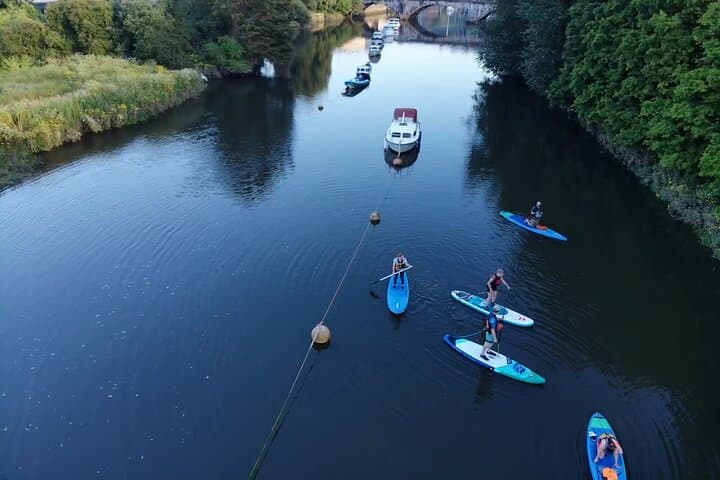
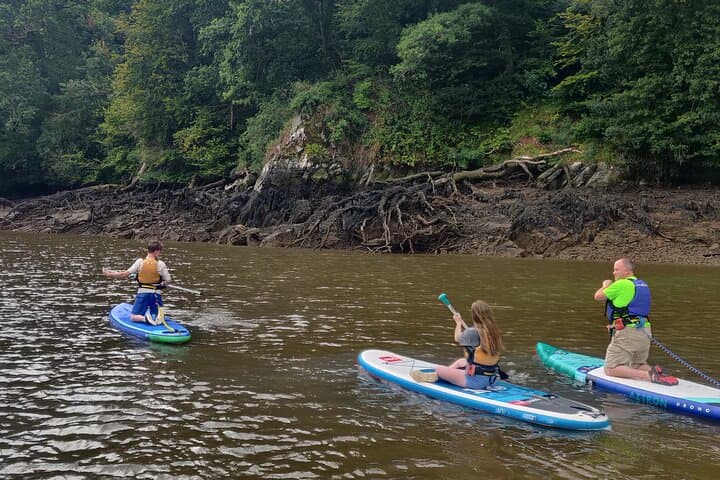
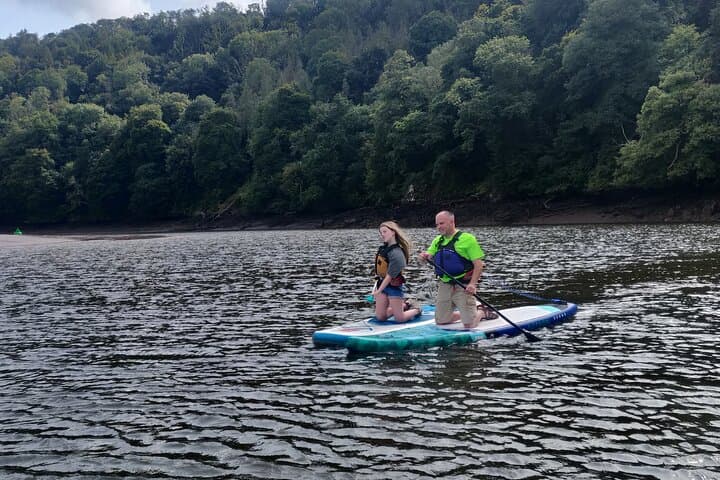
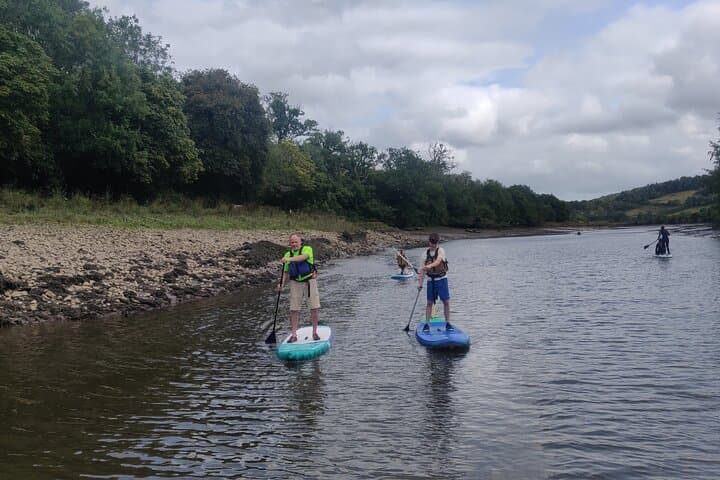
A cool morning breathes over the River Dart as you push off from Totnes quay, board skimming the slow current while gulls wheel above. Paddle in hand, you feel the river pull you downstream; the Dart moves with intent, pushing you past willow-lined banks and small farm fields opening to the estuary.
A cool morning breathes over the River Dart as you push off from Totnes quay, board skimming the slow current while gulls wheel above. Paddle in hand, you feel the river pull you downstream; the Dart moves with intent, pushing you past willow-lined banks and small farm fields opening to the estuary.
The Dart starts on Dartmoor’s uplands and loosens into a tidal estuary that has long powered local trade—Totnes and nearby Dartmouth grew as market towns and small ports. Geologically, the lower river reveals estuarine mudflats and salt marshes shaped by tidal push and fluvial sediment, while the upper reaches cut through older moorland granite and folded Devonian bedrock.
Culturally, the river is alive with rowing clubs, leisure boating and a tradition of small-scale fishing; guides often point out old ferry crossings and manor house boathouses along the route. Wildlife is active here: kingfishers flash, seals sometimes cruise the estuary, and waders probe the mud at low tide.
Practically, expect a guided 3-hour outing from Totnes for all skill levels. Instruction and buoyancy aids are provided; typical paddling distance is 6–8 km depending on tide and group pace. Mornings are calmer for flat-water learning; afternoons can bring stronger tidal flow near the estuary mouth. Wear swimwear or quick-dry layers, bring water, sun protection, and a towel—the operator supplies SUP boards, paddles, buoyancy aids and a dry bag for valuables. Check tide times and weather before you go, and allow 30–45 minutes for basic coaching at the start.