THE ADVENTURE COLLECTIVE® · Independent discovery and booking for outdoor travel

A compact cultural drive from Hurghada delivers two hours at one of the world’s oldest Coptic monasteries, set against the raw Eastern Desert. Expect a 6–7 hour round trip, guided history, and uneven stone terrain at the site.
A compact cultural drive from Hurghada delivers two hours at one of the world’s oldest Coptic monasteries, set against the raw Eastern Desert. Expect a 6–7 hour round trip, guided history, and uneven stone terrain at the site.
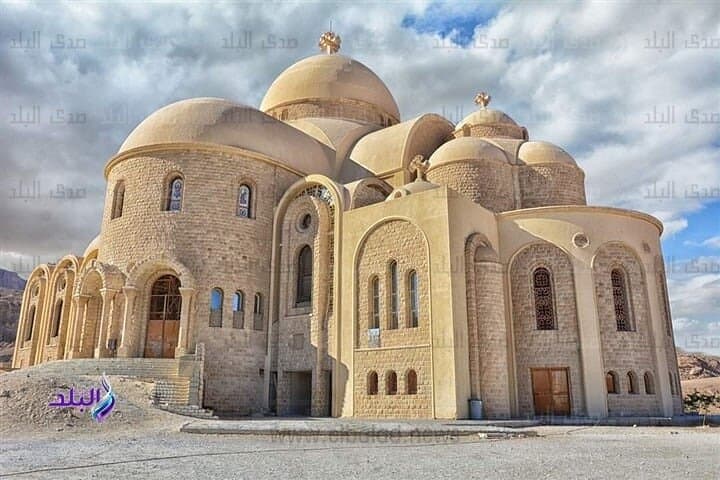
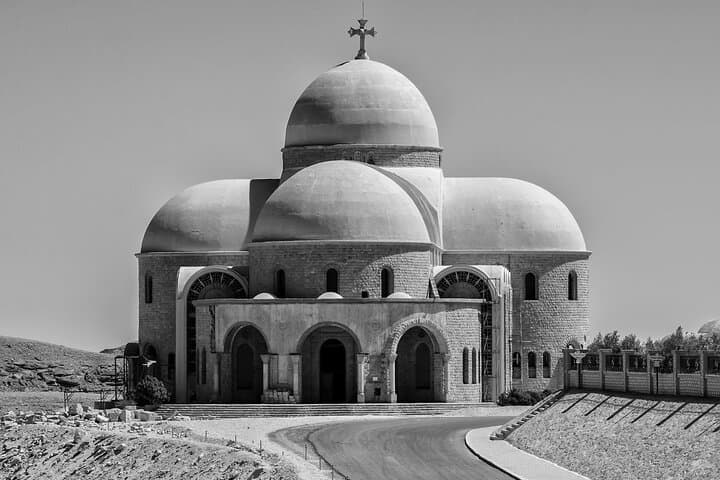
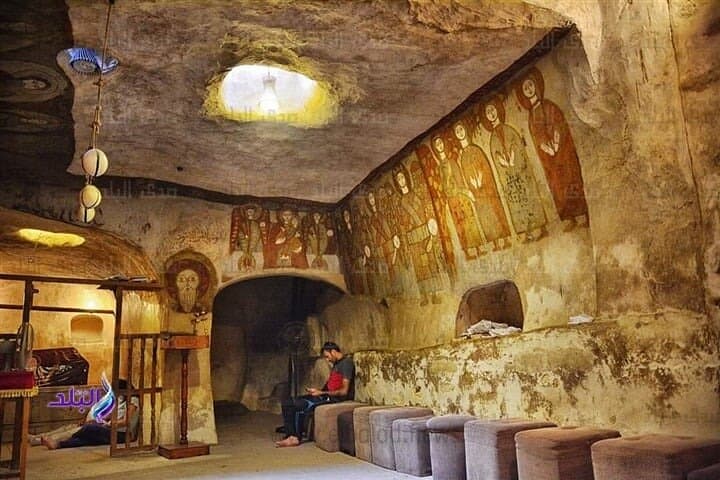
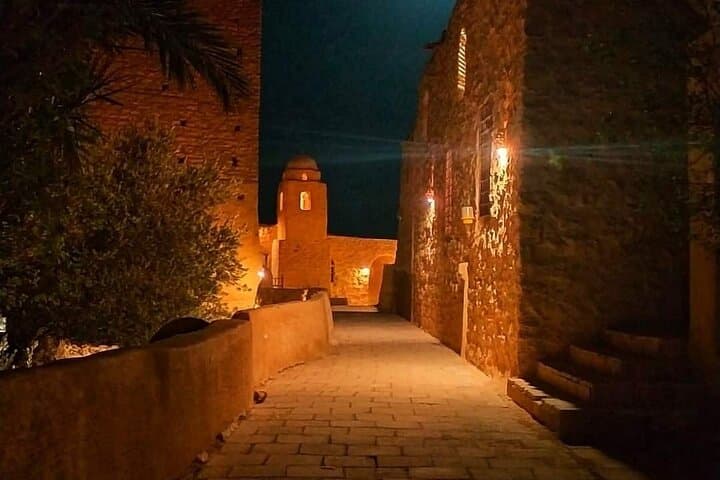
Sunlight scrapes the ribs of the Eastern Desert as the minivan peels away from Hurghada and snakes toward a complex carved into rock and time. Within two hours the coastal glare gives way to ribbed mountains and dry wadis; the monastery’s stone walls appear like a human story pressed into the landscape. Visitors move through low chapels, caves and courtyards where centuries of prayer have left quiet traces.
Verified experiences and guided adventures in the surrounding area.
Operated by Eyes of Egypt · Hurghada, Red Sea
Sunlight scrapes the ribs of the Eastern Desert as the minivan peels away from Hurghada and snakes toward a complex carved into rock and time. Within two hours the coastal glare gives way to ribbed mountains and dry wadis; the monastery’s stone walls appear like a human story pressed into the landscape. Visitors move through low chapels, caves and courtyards where centuries of prayer have left quiet traces.
The Monastery of Saint Paul the Anchorite is among the oldest Coptic settlements in Egypt, founded around the 4th–5th centuries AD near where Saint Paul lived as a hermit. Geologically the setting is arid bedrock and volcanic ridges of the Eastern Desert, with sparse acacia and wind-polished boulders framing sweeping views toward the Red Sea plain. Local guides explain Coptic liturgical objects, hermit traditions and how water management shaped monastic life.
Practically, the excursion is a half-day transfer: expect roughly 6–7 hours door-to-door with about two hours driving each way and two hours at the site. The terrain at the monastery is uneven stone and steps; mobility varies by section but parts are wheelchair accessible. Bring sun protection, a reusable water bottle, and modest clothing respectful of a living religious site. Photography is generally allowed, but follow signage and guide direction. Morning departures avoid heat and deliver crisper light for photography. This tour suits culture-minded travelers who want a compact, interpretive visit into Egypt’s desert monasteries without overnight travel.
easy.
6–7 hours.
Suitable for most travelers; minimal walking on uneven stone and steps around the monastery
Typical transfers are about two hours each way depending on traffic and exact pickup location.
No—walking is short but includes uneven stone surfaces and stairs; parts are wheelchair accessible but some cave areas are not.
Tour descriptions vary; confirm with your operator whether admission is included when booking.
Yes, the tour is family-friendly but parents should supervise children on steep steps and rocky areas.
Founded in late antiquity around the life of Saint Paul the Anchorite, the monastery preserves layers of Coptic monastic practice and medieval period architecture.
The monastery sits in a fragile desert ecosystem; stick to marked paths, carry out trash, and minimize water usage to reduce local impact.
Eyes of Egypt operates guided outdoor trips and adventures with an emphasis on safety, stewardship, and memorable experiences.
Sunlight scrapes the ribs of the Eastern Desert as the minivan peels away from Hurghada and snakes toward a complex carved into rock and time. Within two hours the coastal glare gives way to ribbed mountains and dry wadis; the monastery’s stone walls appear like a human story pressed into the landscape. Visitors move through low chapels, caves and courtyards where centuries of prayer have left quiet traces.
Sunlight scrapes the ribs of the Eastern Desert as the minivan peels away from Hurghada and snakes toward a complex carved into rock and time. Within two hours the coastal glare gives way to ribbed mountains and dry wadis; the monastery’s stone walls appear like a human story pressed into the landscape. Visitors move through low chapels, caves and courtyards where centuries of prayer have left quiet traces.
The Monastery of Saint Paul the Anchorite is among the oldest Coptic settlements in Egypt, founded around the 4th–5th centuries AD near where Saint Paul lived as a hermit. Geologically the setting is arid bedrock and volcanic ridges of the Eastern Desert, with sparse acacia and wind-polished boulders framing sweeping views toward the Red Sea plain. Local guides explain Coptic liturgical objects, hermit traditions and how water management shaped monastic life.
Practically, the excursion is a half-day transfer: expect roughly 6–7 hours door-to-door with about two hours driving each way and two hours at the site. The terrain at the monastery is uneven stone and steps; mobility varies by section but parts are wheelchair accessible. Bring sun protection, a reusable water bottle, and modest clothing respectful of a living religious site. Photography is generally allowed, but follow signage and guide direction. Morning departures avoid heat and deliver crisper light for photography. This tour suits culture-minded travelers who want a compact, interpretive visit into Egypt’s desert monasteries without overnight travel.