THE ADVENTURE COLLECTIVE® · Independent discovery and booking for outdoor travel

Explore Soweto’s Vilakazi Street and the Apartheid Museum on a focused half-day tour that pairs community streetscapes with a rigorous historical museum. Ideal for travelers who want context, local flavor and accessible logistics in one compact visit.
Explore Soweto’s Vilakazi Street and the Apartheid Museum on a focused half-day tour that pairs community streetscapes with a rigorous historical museum. Ideal for travelers who want context, local flavor and accessible logistics in one compact visit.
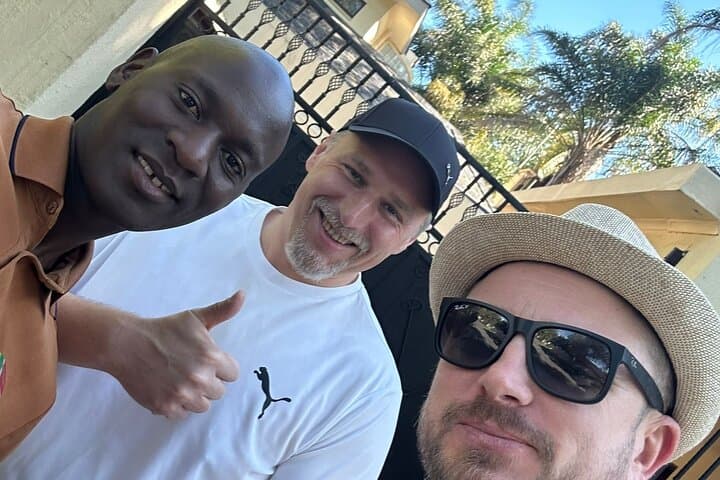
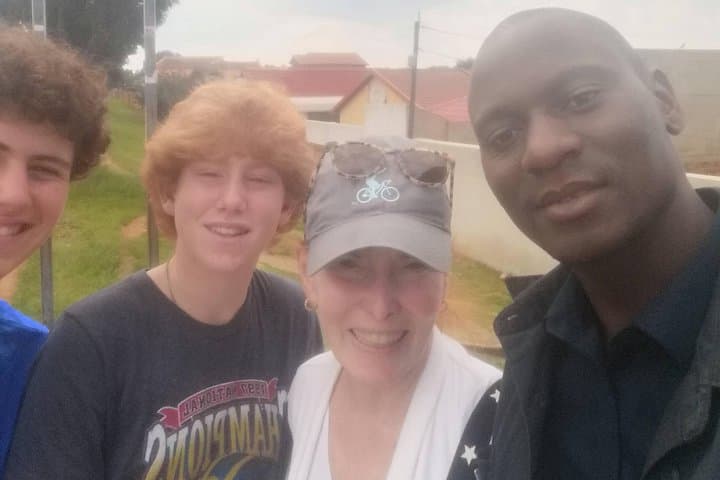
You step out of an air-conditioned vehicle onto Vilakazi Street and the township greets you with a beat: vendors calling, children darting past, a braai smoke curl. The guide unfolds context — this is Soweto, where ordinary streets carry extraordinary history — then you drive on to the Apartheid Museum, a stark counterpoint where film, photos and artifacts lay out decades of institutionalized segregation.
Verified experiences and guided adventures in the surrounding area.
Operated by Thiya Tours and Safaris · Johannesburg, Gauteng
You step out of an air-conditioned vehicle onto Vilakazi Street and the township greets you with a beat: vendors calling, children darting past, a braai smoke curl. The guide unfolds context — this is Soweto, where ordinary streets carry extraordinary history — then you drive on to the Apartheid Museum, a stark counterpoint where film, photos and artifacts lay out decades of institutionalized segregation.
Soweto grew from laborer compounds on the highveld plateau to a political epicenter. The surrounding geology — Johannesburg’s gold-bearing Witwatersrand ridge — shaped the city’s boom and the migrations that produced townships like Soweto. Culturally, Vilakazi Street links two Nobel Prize stories: Nelson Mandela and Archbishop Desmond Tutu; nearby sites such as Mandela House and the Orlando Towers tell the social history, post-apartheid renewal and daily life of the community.
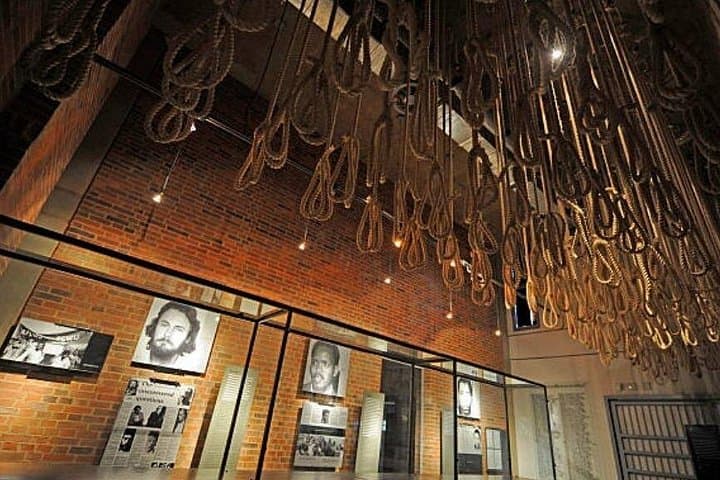
The Apartheid Museum’s 22 exhibition areas move chronologically and emotionally, using firsthand testimony and archive footage to unpack policies, protest and the transition to democracy.
Practical guidance: the half-day itinerary runs about five hours, with hotel pickup in Johannesburg. Wear comfortable walking shoes and sun protection — Johannesburg sits on the highveld at roughly 1,700–1,800 m elevation, so sun and thinner air can surprise you. The tour is wheelchair accessible and includes museum admission and bottled water; food and gratuities are extra. Morning departures avoid peak traffic and midday heat.
Respect local customs when photographing people, carry small cash for street vendors, and leave space in your schedule to linger on Vilakazi Street — the best way to absorb the textures of this place is slow and observant.
easy.
5 hours.
Suitable for most fitness levels; able to walk short distances and stand through exhibits.
Yes — this tour’s itinerary includes admission to the Apartheid Museum as stated in the tour details.
Yes — transportation and the museum are wheelchair accessible; notify the operator in advance for specific assistance needs.
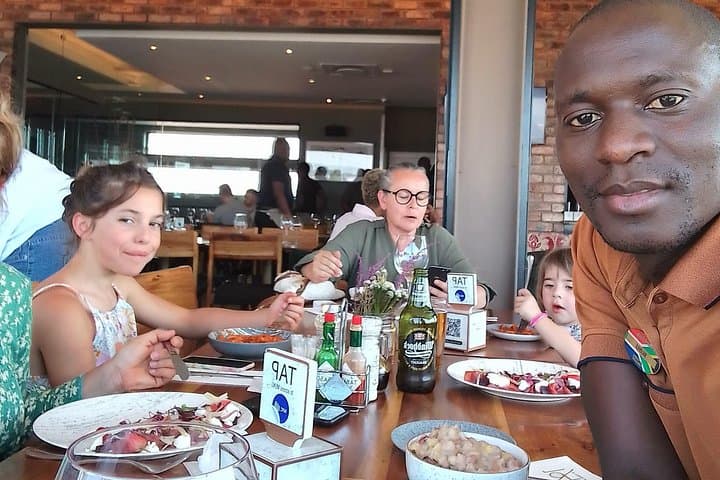
Bottled water is included, but full meals are not; there are options to buy food on Vilakazi Street if you want to sample local dishes.
Pickup is available from Johannesburg hotels; you’ll select or confirm your pickup point during booking and the guide will provide an exact time.
Soweto emerged as a collection of employee hostels and later became the cradle of anti-apartheid organizing; the Apartheid Museum documents the legal and social framework that defined that era.
Small-group, guided visits help local economies—avoid litter, ask about photography policy, and support community-run eateries to keep tourism benefits local.
Thiya Tours and Safaris operates guided outdoor trips and adventures with an emphasis on safety, stewardship, and memorable experiences.
You step out of an air-conditioned vehicle onto Vilakazi Street and the township greets you with a beat: vendors calling, children darting past, a braai smoke curl. The guide unfolds context — this is Soweto, where ordinary streets carry extraordinary history — then you drive on to the Apartheid Museum, a stark counterpoint where film, photos and artifacts lay out decades of institutionalized segregation.
You step out of an air-conditioned vehicle onto Vilakazi Street and the township greets you with a beat: vendors calling, children darting past, a braai smoke curl. The guide unfolds context — this is Soweto, where ordinary streets carry extraordinary history — then you drive on to the Apartheid Museum, a stark counterpoint where film, photos and artifacts lay out decades of institutionalized segregation.
Soweto grew from laborer compounds on the highveld plateau to a political epicenter. The surrounding geology — Johannesburg’s gold-bearing Witwatersrand ridge — shaped the city’s boom and the migrations that produced townships like Soweto. Culturally, Vilakazi Street links two Nobel Prize stories: Nelson Mandela and Archbishop Desmond Tutu; nearby sites such as Mandela House and the Orlando Towers tell the social history, post-apartheid renewal and daily life of the community.
The Apartheid Museum’s 22 exhibition areas move chronologically and emotionally, using firsthand testimony and archive footage to unpack policies, protest and the transition to democracy.
Practical guidance: the half-day itinerary runs about five hours, with hotel pickup in Johannesburg. Wear comfortable walking shoes and sun protection — Johannesburg sits on the highveld at roughly 1,700–1,800 m elevation, so sun and thinner air can surprise you. The tour is wheelchair accessible and includes museum admission and bottled water; food and gratuities are extra. Morning departures avoid peak traffic and midday heat.
Respect local customs when photographing people, carry small cash for street vendors, and leave space in your schedule to linger on Vilakazi Street — the best way to absorb the textures of this place is slow and observant.