THE ADVENTURE COLLECTIVE® · Independent discovery and booking for outdoor travel

Spend a focused half-day exploring Son Tra Peninsula’s coastal ridges, wartime radar station, Ban Co Peak and Linh Ung Pagoda. Expect short walks, wildlife viewing for red-shanked doucs, panoramic photo stops and guided cultural insights.
Spend a focused half-day exploring Son Tra Peninsula’s coastal ridges, wartime radar station, Ban Co Peak and Linh Ung Pagoda. Expect short walks, wildlife viewing for red-shanked doucs, panoramic photo stops and guided cultural insights.
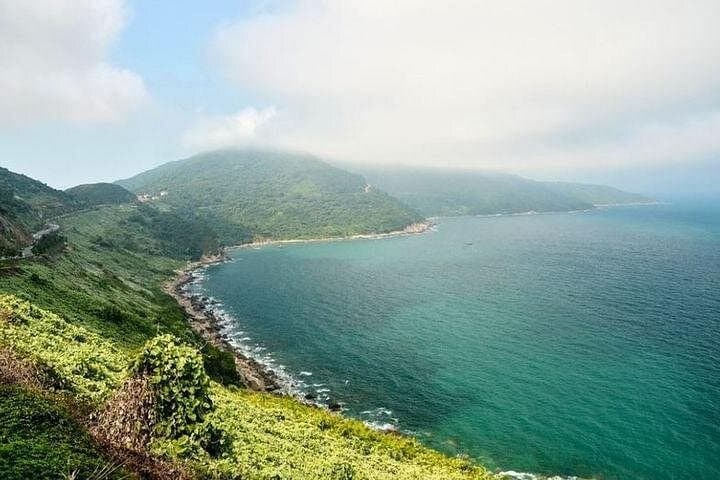
Morning light presses against the eastern horizon as the minivan peels away from Da Nang's seaside boulevard, climbing the switchbacks toward the Son Tra Peninsula. Pine-scented wind slips through open windows; the peninsula’s ridges unroll ahead—forest giving way to sudden blue where the East Sea dares you to look farther.
Verified experiences and guided adventures in the surrounding area.
Operated by Dacotours Co.,Ltd · Da Nang, Da Nang
Morning light presses against the eastern horizon as the minivan peels away from Da Nang's seaside boulevard, climbing the switchbacks toward the Son Tra Peninsula. Pine-scented wind slips through open windows; the peninsula’s ridges unroll ahead—forest giving way to sudden blue where the East Sea dares you to look farther.
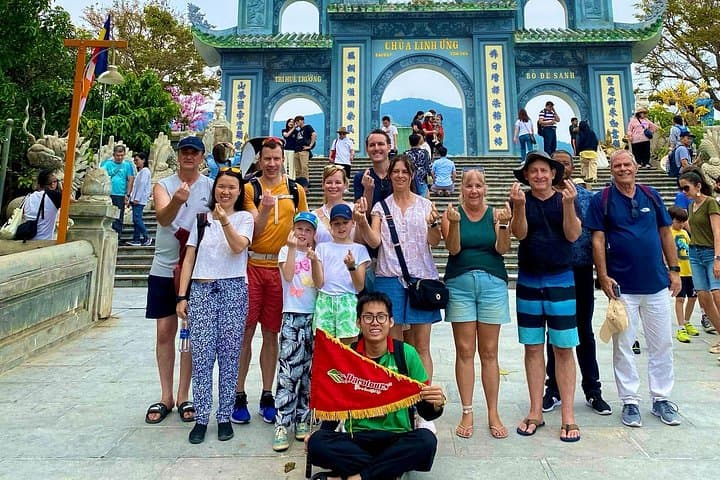
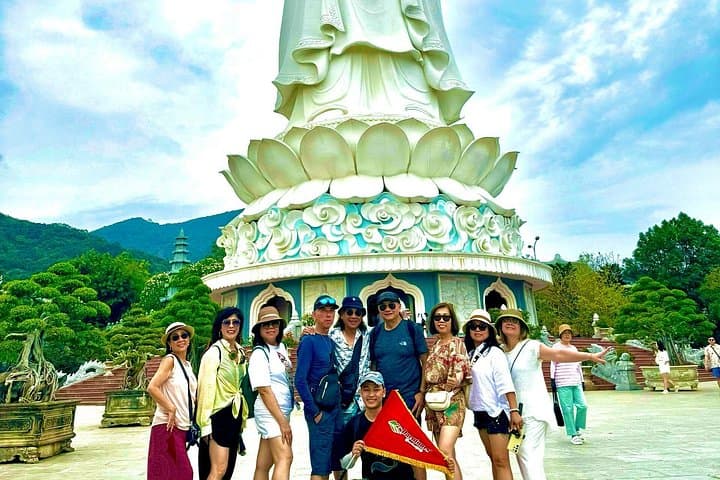
Son Tra, often called Monkey Mountain, is a compact wildland of volcanic slopes and coastal cliffs formed by ancient lava flows and marine terraces. The peninsula's history is layered: limestone outcrops, wartime radar sites perched for strategic view, and the modern white Lady Buddha of Linh Ung Pagoda—built between 2004 and 2010—watching over the bay. Local culture mixes fishing-village rhythms with contemporary pilgrimage; pagoda bells and the chatter of guides weave the past and present.
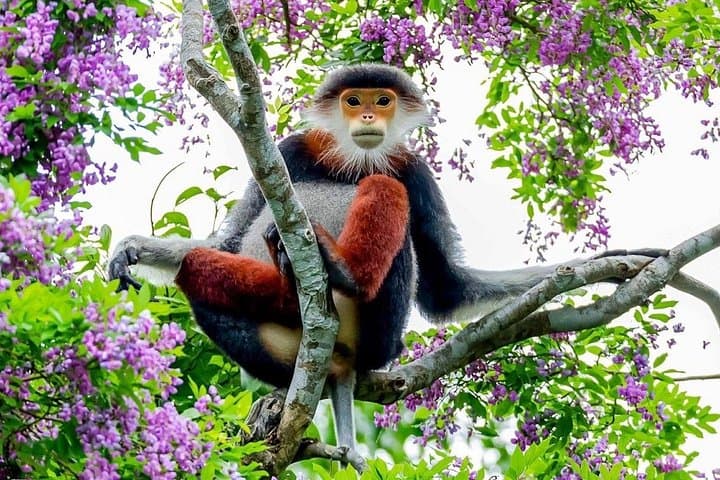
Wildlife here is the tour’s heartbeat: the red-shanked douc — a striking, endangered primate — moves through the canopy if you’re quiet and lucky, while sea birds wheel off the headlands.
Practicalities matter. The half-day format uses an air-conditioned vehicle to reach the peninsula’s high points: the Son Tra Radar Station, the helicopter pad viewpoint and Ban Co Peak. Expect short, groomed walks and photo stops rather than long hikes; bring sun protection, refillable water and steady shoes for uneven rock near viewpoints. Guides will manage entrance logistics and local stories, and most stops have easy vehicle access and toilets nearby.
Timing your visit for early morning or late afternoon softens the light and cools the air. Respect wildlife—observe from a distance and never feed animals—and you’ll come away with sharp panoramas, cultural context and a clear sense of why Son Tra matters to both ecology and community.
easy.
5 hours.
Suitable for most travelers; involves short, gentle walks and some standing at viewpoints.
Sightings are common but not guaranteed; early morning and quiet observation increase your chances since the langurs move through canopy areas.
Yes—this half-day excursion is designed to be accessible with short walks and vehicle transfers between viewpoints; inform the operator of special mobility needs during booking.
Transfers and admission to identified stops like the helicopter pad and Linh Ung Pagoda are included in the listed tour inclusions; clarify details with the operator at booking.
Tours may be rescheduled or refunded for poor weather; bring a light rain jacket as conditions can change quickly on the peninsula.
Son Tra’s ridgelines hosted strategic radar and observation posts during the Vietnam War; Linh Ung Pagoda was constructed in the 2000s and has become a modern cultural landmark.
The peninsula is an ecological refuge under local conservation efforts to protect endemic species like the douc; visitors should stick to trails and avoid feeding wildlife to reduce human impact.
Dacotours Co.,Ltd operates guided outdoor trips and adventures with an emphasis on safety, stewardship, and memorable experiences.
Morning light presses against the eastern horizon as the minivan peels away from Da Nang's seaside boulevard, climbing the switchbacks toward the Son Tra Peninsula. Pine-scented wind slips through open windows; the peninsula’s ridges unroll ahead—forest giving way to sudden blue where the East Sea dares you to look farther.
Morning light presses against the eastern horizon as the minivan peels away from Da Nang's seaside boulevard, climbing the switchbacks toward the Son Tra Peninsula. Pine-scented wind slips through open windows; the peninsula’s ridges unroll ahead—forest giving way to sudden blue where the East Sea dares you to look farther.
Son Tra, often called Monkey Mountain, is a compact wildland of volcanic slopes and coastal cliffs formed by ancient lava flows and marine terraces. The peninsula's history is layered: limestone outcrops, wartime radar sites perched for strategic view, and the modern white Lady Buddha of Linh Ung Pagoda—built between 2004 and 2010—watching over the bay. Local culture mixes fishing-village rhythms with contemporary pilgrimage; pagoda bells and the chatter of guides weave the past and present.
Wildlife here is the tour’s heartbeat: the red-shanked douc — a striking, endangered primate — moves through the canopy if you’re quiet and lucky, while sea birds wheel off the headlands.
Practicalities matter. The half-day format uses an air-conditioned vehicle to reach the peninsula’s high points: the Son Tra Radar Station, the helicopter pad viewpoint and Ban Co Peak. Expect short, groomed walks and photo stops rather than long hikes; bring sun protection, refillable water and steady shoes for uneven rock near viewpoints. Guides will manage entrance logistics and local stories, and most stops have easy vehicle access and toilets nearby.
Timing your visit for early morning or late afternoon softens the light and cools the air. Respect wildlife—observe from a distance and never feed animals—and you’ll come away with sharp panoramas, cultural context and a clear sense of why Son Tra matters to both ecology and community.