THE ADVENTURE COLLECTIVE® · Independent discovery and booking for outdoor travel

Head offshore from Key Largo for a 3.5‑hour snorkel aboard a small charter that visits two reef sites in the Florida Keys National Marine Sanctuary. Expect turtles, eagle rays and coral gardens — plus a backup mangrove snorkel if conditions turn.
Head offshore from Key Largo for a 3.5‑hour snorkel aboard a small charter that visits two reef sites in the Florida Keys National Marine Sanctuary. Expect turtles, eagle rays and coral gardens — plus a backup mangrove snorkel if conditions turn.
The diesel hum of the skiff slows as the island silhouette of Key Largo recedes and the water changes color — from steel gray to a clean, luminous blue. On a half-day snorkel trip out of the Reefhouse Resort & Marina, the captain ties off and the ocean exhales: the current eases, the reef slopes beckon, and the crew points toward two diveable patches of coral where green sea turtles and spotted eagle rays patrol like slow-moving kings.
Verified experiences and guided adventures in the surrounding area.
Operated by Pirates Cove Watersports · Key Largo, Florida
The diesel hum of the skiff slows as the island silhouette of Key Largo recedes and the water changes color — from steel gray to a clean, luminous blue. On a half-day snorkel trip out of the Reefhouse Resort & Marina, the captain ties off and the ocean exhales: the current eases, the reef slopes beckon, and the crew points toward two diveable patches of coral where green sea turtles and spotted eagle rays patrol like slow-moving kings.
This stretch of reef sits inside the Florida Keys National Marine Sanctuary and adjacent to John Pennekamp Coral Reef State Park — part of the third-largest living reef system on Earth and the only living coral reef in the continental U.S. Geologically the Keys are the crest of an ancient reef and limestone platform; today that structure supports branching staghorn, massive brain coral and thickets of sea fans that shelter smaller fish. Historically, these waters have been fished, charted and protected: Pennekamp was America’s first underwater park, designated in the 1960s as awareness of reef value grew.
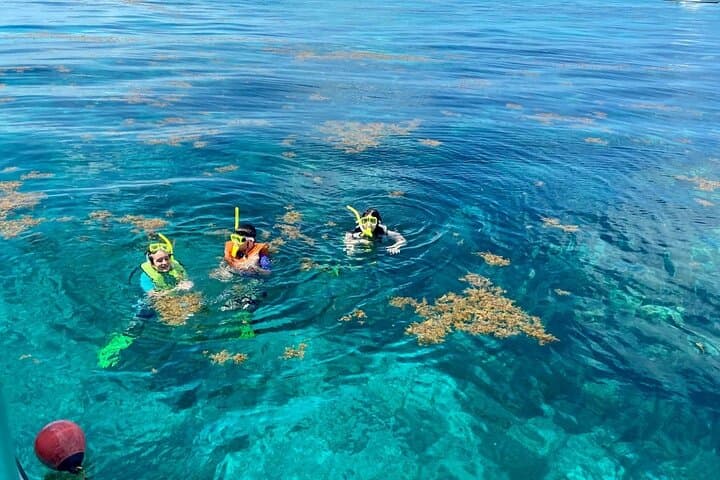
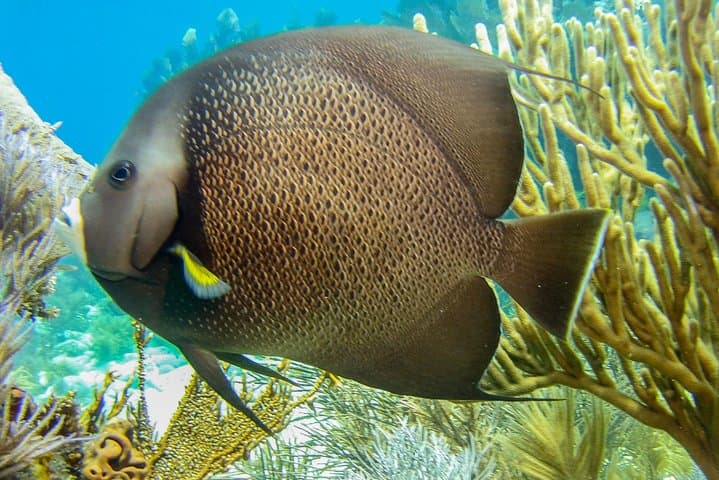
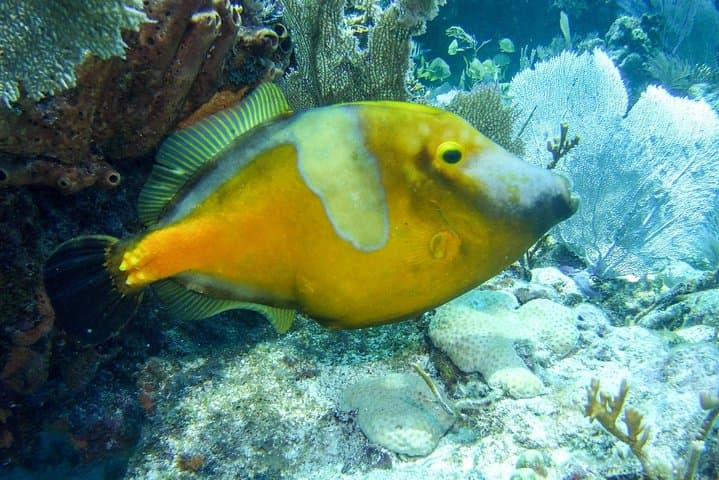
On board you’ll visit two reef locations chosen by the captain based on wind, current and visibility — common options include Molasses, Elbow, French Reef and Dry Rocks (home to the submerged statue “Christ of the Abyss”). The protected patches here are shallow, typically 6–30 feet, so snorkeling gives you intimate access to turtles, moray eels tucked into coral heads, and the sudden, graceful arcs of eagle rays.
The boat works like a small ecosystem of its own: a shaded deck for observers, a swimmable stern ladder, and basic safety gear. If weather makes the offshore sites untenable the itinerary pivots to a mangrove snorkel, which is unexpectedly rich — mangrove roots dangling like city scaffolding trap juvenile fish and tiny crustaceans.
Practicalities matter: check-in is at the Reefhouse dive shop (AM check-in 8:30 a.m., departure ~9:00; PM check-in 1:00 p.m., departure ~1:30). Trips run about 3.5 hours total. Snorkel equipment, vests and refillable water are provided; bring reef-safe sunscreen, a snug mask if you have one, and a reusable bottle. Full-face masks are not permitted. All minors require a guardian-signed liability waiver. The operator observes a 24-hour cancellation policy and will reroute or cancel trips in bad weather.
This trip is beginner-friendly but marine awareness improves the experience: breathe slowly, float level to avoid damaging coral, and let the reef approach you. Respect wildlife — don’t chase turtles or touch coral — and remember these reefs are under stress from warming and disease. A responsible half day here gives you more than fish IDs; it hands you a clear look at why these reefs are worth protecting, and how a short trip can change the way you move through the ocean.
easy.
3–4 hours.
Suitable for most fitness levels; comfortable floating and basic swimming ability recommended for snorkeling.
No — the operator prohibits full‑face masks for safety and fit reasons; standard masks and snorkels are provided.
Trips may be canceled or moved to a mangrove snorkel inshore; you’ll be notified and eligible for a refund if canceled at least 24 hours before departure.
No — snorkeling vests are provided and boat riders can stay aboard, but being comfortable in shallow water and able to float is important.
Yes — snorkel masks, fins, and vests are included; you can bring your own mask or snorkel if preferred.
Yes — small waterproof cameras and housings are recommended; secure loose items on board to avoid losing them overboard.
Yes — children may join but must have a parent or legal guardian sign the waiver; the operator may restrict participation based on age or comfort in the water.
John Pennekamp Coral Reef State Park was established in the 1960s as the nation’s first underwater park to protect the coral ecosystems of the Keys.
These reefs face warming and disease pressures; operators encourage reef‑safe sunscreen, no‑touch policies and limiting single‑use plastics to reduce impact.
Pirates Cove Watersports operates guided outdoor trips and adventures with an emphasis on safety, stewardship, and memorable experiences.
The diesel hum of the skiff slows as the island silhouette of Key Largo recedes and the water changes color — from steel gray to a clean, luminous blue. On a half-day snorkel trip out of the Reefhouse Resort & Marina, the captain ties off and the ocean exhales: the current eases, the reef slopes beckon, and the crew points toward two diveable patches of coral where green sea turtles and spotted eagle rays patrol like slow-moving kings.
The diesel hum of the skiff slows as the island silhouette of Key Largo recedes and the water changes color — from steel gray to a clean, luminous blue. On a half-day snorkel trip out of the Reefhouse Resort & Marina, the captain ties off and the ocean exhales: the current eases, the reef slopes beckon, and the crew points toward two diveable patches of coral where green sea turtles and spotted eagle rays patrol like slow-moving kings.
This stretch of reef sits inside the Florida Keys National Marine Sanctuary and adjacent to John Pennekamp Coral Reef State Park — part of the third-largest living reef system on Earth and the only living coral reef in the continental U.S. Geologically the Keys are the crest of an ancient reef and limestone platform; today that structure supports branching staghorn, massive brain coral and thickets of sea fans that shelter smaller fish. Historically, these waters have been fished, charted and protected: Pennekamp was America’s first underwater park, designated in the 1960s as awareness of reef value grew.
On board you’ll visit two reef locations chosen by the captain based on wind, current and visibility — common options include Molasses, Elbow, French Reef and Dry Rocks (home to the submerged statue “Christ of the Abyss”). The protected patches here are shallow, typically 6–30 feet, so snorkeling gives you intimate access to turtles, moray eels tucked into coral heads, and the sudden, graceful arcs of eagle rays.
The boat works like a small ecosystem of its own: a shaded deck for observers, a swimmable stern ladder, and basic safety gear. If weather makes the offshore sites untenable the itinerary pivots to a mangrove snorkel, which is unexpectedly rich — mangrove roots dangling like city scaffolding trap juvenile fish and tiny crustaceans.
Practicalities matter: check-in is at the Reefhouse dive shop (AM check-in 8:30 a.m., departure ~9:00; PM check-in 1:00 p.m., departure ~1:30). Trips run about 3.5 hours total. Snorkel equipment, vests and refillable water are provided; bring reef-safe sunscreen, a snug mask if you have one, and a reusable bottle. Full-face masks are not permitted. All minors require a guardian-signed liability waiver. The operator observes a 24-hour cancellation policy and will reroute or cancel trips in bad weather.
This trip is beginner-friendly but marine awareness improves the experience: breathe slowly, float level to avoid damaging coral, and let the reef approach you. Respect wildlife — don’t chase turtles or touch coral — and remember these reefs are under stress from warming and disease. A responsible half day here gives you more than fish IDs; it hands you a clear look at why these reefs are worth protecting, and how a short trip can change the way you move through the ocean.