THE ADVENTURE COLLECTIVE® · Independent discovery and booking for outdoor travel

Spend a half day navigating Merkato’s alleys, hunting for coffee and crafts in Piazza, and browsing curated Ethiopian souvenirs at Sumeta. This guided tour blends local history and practical shopping tips for a productive urban outing.
Spend a half day navigating Merkato’s alleys, hunting for coffee and crafts in Piazza, and browsing curated Ethiopian souvenirs at Sumeta. This guided tour blends local history and practical shopping tips for a productive urban outing.
The market breathes around you: horn vendors call, coffee beans spill from burlap like a dark river, and narrow lanes funnel shoppers between stalls stacked shoulder-high with spices, scarves and carved crosses.
Verified experiences and guided adventures in the surrounding area.
Operated by Aman Ethiopia Tours And Travel Agent · Addis Ababa, Addis Ababa
The market breathes around you: horn vendors call, coffee beans spill from burlap like a dark river, and narrow lanes funnel shoppers between stalls stacked shoulder-high with spices, scarves and carved crosses.
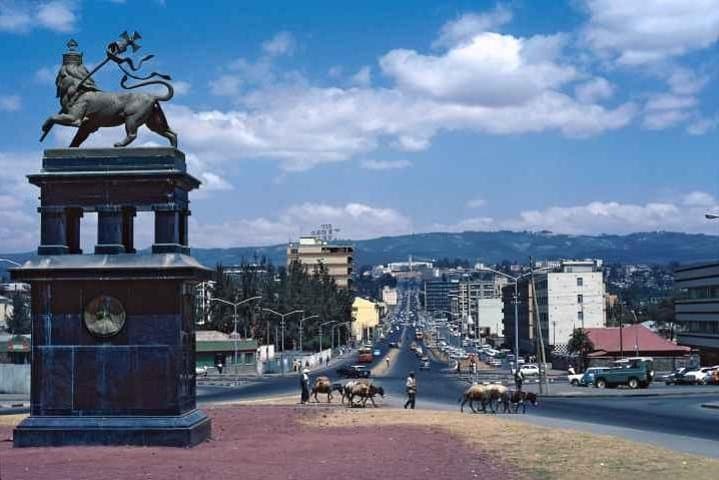
This half-day shopping tour threads through Merkato — Africa’s largest open-air market — then moves to the compact, jewel-filled streets of Piazza and a curated stop at Sumeta Souvenir Gallery before a final browse of leather workshops near the stadium. The route reflects Addis Ababa’s recent urban growth layered over Emperor-era streets: market stalls sit where caravan and coffee trade once funneled goods into the city.
Geologically, Addis perches on the Ethiopian Highlands; the city’s elevation (about 2,300 m) keeps days mild and gives sellers and buyers steadier air to linger over coffee ceremonies. Culturally, shopping here is transactional and social — bargaining is expected, and artisans still work with traditional silver, leather and woven textiles.
Practical guidance follows the telling: plan five to six hours, wear comfortable closed-toe shoes for uneven alleys, and carry small-denomination Ethiopian birr for fast purchases. Ask your guide about provenance for silver and coffee beans; many vendors trace products to specific regions. Respect the formal dress code noted by some venues and use a lightweight daypack to keep hands free for sampling spices and inspecting crafts.
This tour is equal parts urban exploration and practical buying — expect crowds, a sensory overload of scents and colors, and a steady rhythm of bargaining punctuated by the quick, hospitable smile of a shopkeeper willing to tell the story behind an object.
easy.
5–6 hours.
Suitable for most fitness levels; requires standing and walking for several hours.
The tour lasts about 5–6 hours, covering Merkato, Piazza, Sumeta Gallery and the stadium area.
Yes—haggling is common; start lower than the asking price and remain polite. Guides can suggest fair ranges.
Most vendors price in Ethiopian birr; some tourist shops accept cards or dollars but cash is easiest.
This private tour includes round-trip transfer from central Addis Ababa pickup points as noted in the booking.
Merkato grew from early 20th-century trade routes and became a central hub for Ethiopia’s coffee commerce; Piazza reflects Italian-influenced architecture from the 1930s.
Markets generate plastic and food waste—bring a reusable bag, avoid single-use plastics when possible, and favor artisans who use sustainable materials.
Aman Ethiopia Tours And Travel Agent operates guided outdoor trips and adventures with an emphasis on safety, stewardship, and memorable experiences.
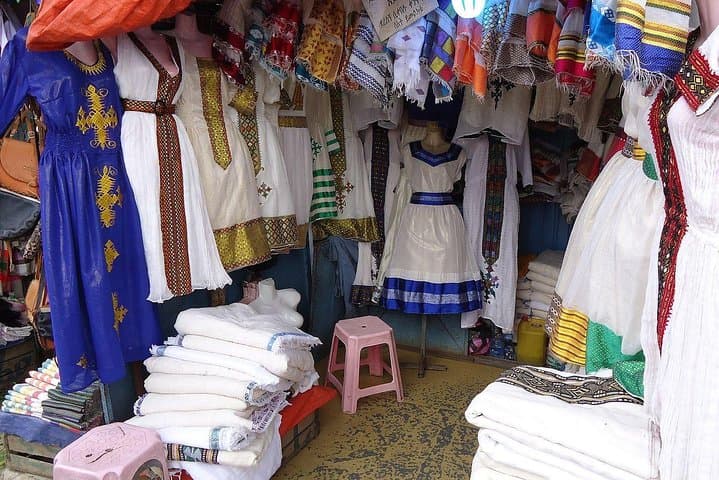

The market breathes around you: horn vendors call, coffee beans spill from burlap like a dark river, and narrow lanes funnel shoppers between stalls stacked shoulder-high with spices, scarves and carved crosses.
The market breathes around you: horn vendors call, coffee beans spill from burlap like a dark river, and narrow lanes funnel shoppers between stalls stacked shoulder-high with spices, scarves and carved crosses.
This half-day shopping tour threads through Merkato — Africa’s largest open-air market — then moves to the compact, jewel-filled streets of Piazza and a curated stop at Sumeta Souvenir Gallery before a final browse of leather workshops near the stadium. The route reflects Addis Ababa’s recent urban growth layered over Emperor-era streets: market stalls sit where caravan and coffee trade once funneled goods into the city.
Geologically, Addis perches on the Ethiopian Highlands; the city’s elevation (about 2,300 m) keeps days mild and gives sellers and buyers steadier air to linger over coffee ceremonies. Culturally, shopping here is transactional and social — bargaining is expected, and artisans still work with traditional silver, leather and woven textiles.
Practical guidance follows the telling: plan five to six hours, wear comfortable closed-toe shoes for uneven alleys, and carry small-denomination Ethiopian birr for fast purchases. Ask your guide about provenance for silver and coffee beans; many vendors trace products to specific regions. Respect the formal dress code noted by some venues and use a lightweight daypack to keep hands free for sampling spices and inspecting crafts.
This tour is equal parts urban exploration and practical buying — expect crowds, a sensory overload of scents and colors, and a steady rhythm of bargaining punctuated by the quick, hospitable smile of a shopkeeper willing to tell the story behind an object.