THE ADVENTURE COLLECTIVE® · Independent discovery and booking for outdoor travel

Explore two of the Florida Keys’ protected reef sites on a short catamaran dive trip from Key Largo. This half-day excursion targets Pennekamp and nearby sanctuary reefs, offering two tank dives, tanks and weights included, for certified divers.
Explore two of the Florida Keys’ protected reef sites on a short catamaran dive trip from Key Largo. This half-day excursion targets Pennekamp and nearby sanctuary reefs, offering two tank dives, tanks and weights included, for certified divers.
A low-profile catamaran slips away from Reefhouse Marina and the ocean opens like an invitation — warm, blue, and streaked with sun. Within minutes the shoreline of Key Largo blurs into horizon; feathered gulls wheel as the captain calls the first dive site. Below, coral formations rise and fall like submerged architecture, and the current teases your fins, daring you to read the reef's rhythms.
Verified experiences and guided adventures in the surrounding area.
Operated by Pirates Cove Watersports · Key Largo, Florida
A low-profile catamaran slips away from Reefhouse Marina and the ocean opens like an invitation — warm, blue, and streaked with sun. Within minutes the shoreline of Key Largo blurs into horizon; feathered gulls wheel as the captain calls the first dive site. Below, coral formations rise and fall like submerged architecture, and the current teases your fins, daring you to read the reef's rhythms.
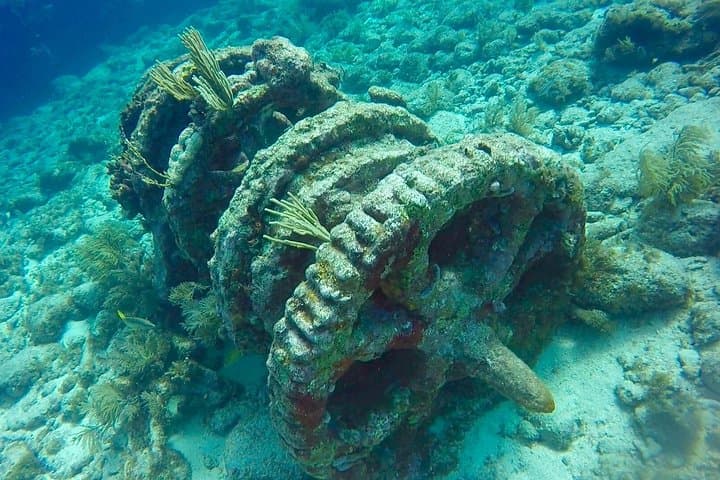
These reefs are part of the Florida Keys National Marine Sanctuary and John Pennekamp Coral Reef State Park, sections of the third-largest barrier reef system in the world and the only living coral reef in the U.S. The limestone substrate, built over millennia, supports brain coral colonies, staghorn remnants, and fall-swept sand channels where spotted eagle rays cruise. This coastline’s maritime culture grew from fishing, sponge harvesting, and early wreck salvaging — today it’s focused on conservation and sustainable tourism.
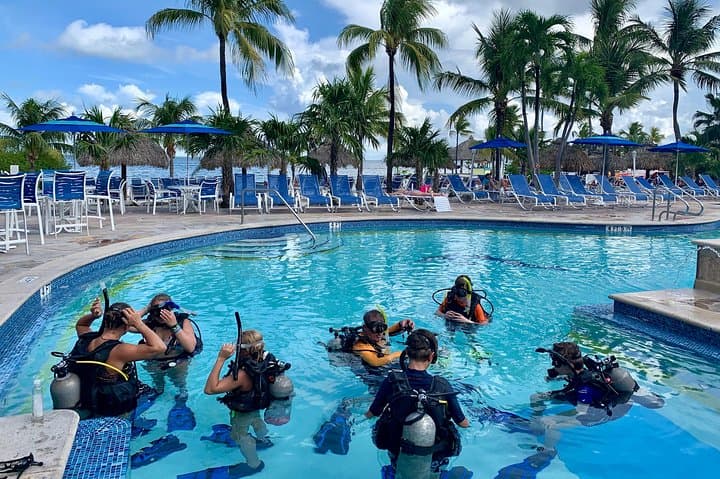
Expect two separate shallow-to-moderate depth dives (typically 40–80 feet), tanks and weights provided, with sites chosen for the day's conditions. Certified divers should be comfortable with buddy procedures, current entry/exit, and basic navigation; single divers may be matched or required to hire a guide. Bring a dive computer or depth gauge, reef-safe sunscreen, and an attitude for slow, respectful reef observation.
Plan for a 3.5–4 hour excursion, timed to avoid midday heat when possible. Hydrate before boarding, secure cameras with float straps, and listen to the pre-dive brief — the reef rewards patience and practiced buoyancy.
moderate.
3.5–4 hours.
Comfortable swimming ability and basic cardiovascular fitness; able to manage stairs and climb ladder onto a boat.
Yes — Open Water SCUBA certification is required; if you haven’t dived in over a year you may need a guide or refresher course.
Tanks and weights are included in the trip cost; personal gear and in-water guides/divemasters are available to rent for an extra fee.
Sites vary by daily sea conditions and captain selection; common options include Molasses, Elbow, French Reef, and Dry Rocks (Christ of the Abyss) but no specific site can be guaranteed.
Operators will try to pair single divers with a buddy but may require a paid guide if no suitable buddy is available — check ahead to confirm options.
Key Largo’s waters were long used for fishing, sponge harvesting and wreck salvage; establishment of Pennekamp State Park in 1960 shifted the local economy toward marine conservation and tourism.
The sanctuary and Pennekamp Park enforce fishing and anchoring rules to protect corals; visitors are urged to use reef-safe products and avoid touching or standing on corals.
Pirates Cove Watersports operates guided outdoor trips and adventures with an emphasis on safety, stewardship, and memorable experiences.
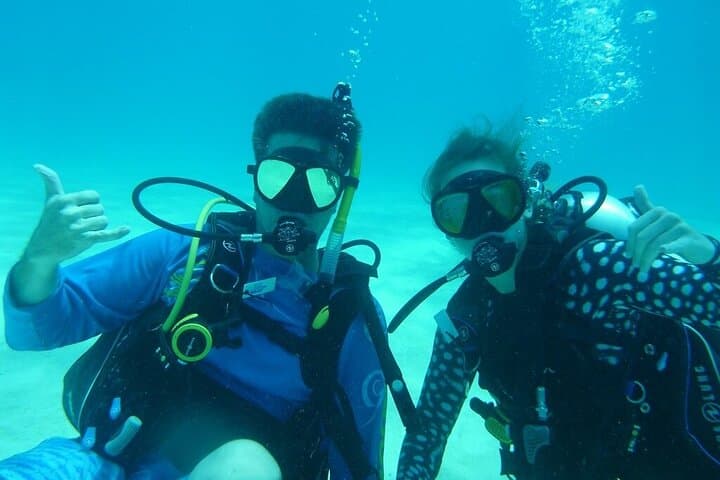
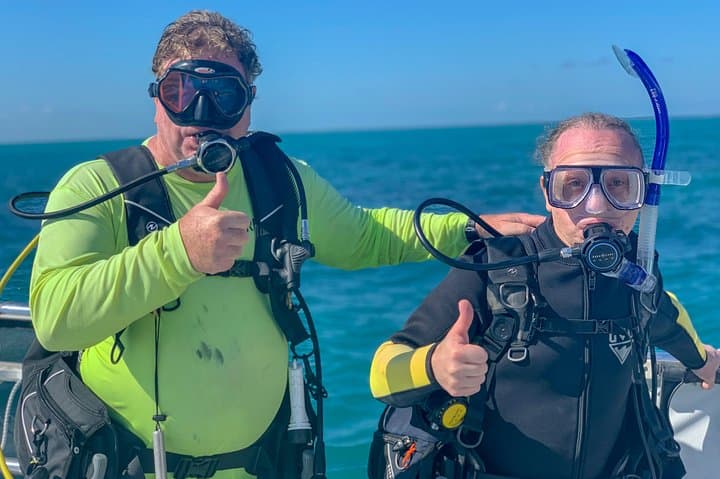
A low-profile catamaran slips away from Reefhouse Marina and the ocean opens like an invitation — warm, blue, and streaked with sun. Within minutes the shoreline of Key Largo blurs into horizon; feathered gulls wheel as the captain calls the first dive site. Below, coral formations rise and fall like submerged architecture, and the current teases your fins, daring you to read the reef's rhythms.
A low-profile catamaran slips away from Reefhouse Marina and the ocean opens like an invitation — warm, blue, and streaked with sun. Within minutes the shoreline of Key Largo blurs into horizon; feathered gulls wheel as the captain calls the first dive site. Below, coral formations rise and fall like submerged architecture, and the current teases your fins, daring you to read the reef's rhythms.
These reefs are part of the Florida Keys National Marine Sanctuary and John Pennekamp Coral Reef State Park, sections of the third-largest barrier reef system in the world and the only living coral reef in the U.S. The limestone substrate, built over millennia, supports brain coral colonies, staghorn remnants, and fall-swept sand channels where spotted eagle rays cruise. This coastline’s maritime culture grew from fishing, sponge harvesting, and early wreck salvaging — today it’s focused on conservation and sustainable tourism.
Expect two separate shallow-to-moderate depth dives (typically 40–80 feet), tanks and weights provided, with sites chosen for the day's conditions. Certified divers should be comfortable with buddy procedures, current entry/exit, and basic navigation; single divers may be matched or required to hire a guide. Bring a dive computer or depth gauge, reef-safe sunscreen, and an attitude for slow, respectful reef observation.
Plan for a 3.5–4 hour excursion, timed to avoid midday heat when possible. Hydrate before boarding, secure cameras with float straps, and listen to the pre-dive brief — the reef rewards patience and practiced buoyancy.