THE ADVENTURE COLLECTIVE® · Independent discovery and booking for outdoor travel

Spend a half-day trekking the Muong Hoa Valley from Sapa to Ta Van—rice terraces, Black H’mong and Dzao villages, and a homestay lunch. This compact route delivers big views and cultural exchange with moderate effort.
Spend a half-day trekking the Muong Hoa Valley from Sapa to Ta Van—rice terraces, Black H’mong and Dzao villages, and a homestay lunch. This compact route delivers big views and cultural exchange with moderate effort.
You step from Sapa town into a cool, green hush—mist rubbing shoulders with the peaks of the Hoang Lien Son range as the Muong Hoa stream hurries ahead, daring you to keep pace.
Verified experiences and guided adventures in the surrounding area.
Operated by Insight Vietnam · Sapa, Lào Cai Province
You step from Sapa town into a cool, green hush—mist rubbing shoulders with the peaks of the Hoang Lien Son range as the Muong Hoa stream hurries ahead, daring you to keep pace.
The route drops into Y Linh Ho, a ribbon of terraces that bend with the contours of the valley. These rice benches were carved and maintained by Black H’mong and Dzao communities over generations; their patterns follow both geology and farming rhythm, responding to steep slopes, seasonal monsoons and the valley’s alluvial soils. Along the trail you’ll pass carved stone fields and footbridges that once marked trade lines between hill villages.
Culturally, Lao Chai and Ta Van are living villages—wooden houses, hand-stitched textiles, and shared tea that invite conversation. Geologically the valley is young: uplifted by regional tectonics and shaped by fast seasonal runoff, which is why drainage and terrace maintenance are constant local concerns.
Practical guidance: the half-day trek runs roughly 6–7 hours including travel, with 4–6 miles of walking over uneven packed-earth and stone steps; expect moderate climbs and some slick sections after rain. Wear grippy footwear, bring 1–1.5 liters of water, layered rain gear, and small local currency for homestay purchases. The guide handles logistics and the return bus to Sapa; follow local etiquette—ask before photographing people and accept offers to visit a home.
This trek blends clear views, living culture and straightforward routing—ideal for hikers who want a compact but authentic window into northern Vietnam’s highland life.
moderate.
6–7 hours.
Suitable for travelers with moderate fitness who can handle sustained walking on uneven terrain and short steep sections.
Expect about 6–7 hours total including transfers; the hiking portion is moderate with uneven terrain and some short climbs.
Yes—this tour includes a traditional lunch at a Ta Van homestay as described in the itinerary.
Yes—hotel pick-up in Sapa, a local English-speaking guide, and a return bus from Ta Van to Sapa are included.
Children can join but infants must sit on laps and everyone should have reasonable fitness; the route has uneven ground and steps.
The terraces and village boundaries were shaped over centuries by ethnic minority groups—primarily Black H’mong, Dzao and Dzay—whose agricultural practices define the valley’s patterns.
Tourism supports local incomes but increases pressure on trails and water; stick to marked paths, avoid single-use plastics, and support licensed homestays to keep benefits local.
Insight Vietnam operates guided outdoor trips and adventures with an emphasis on safety, stewardship, and memorable experiences.
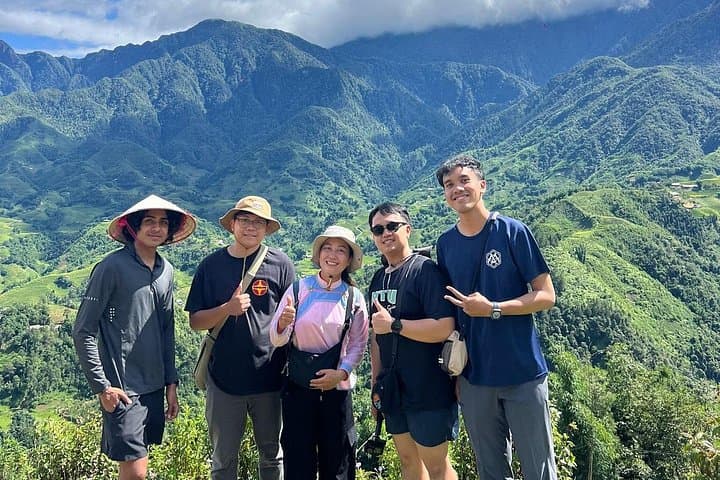


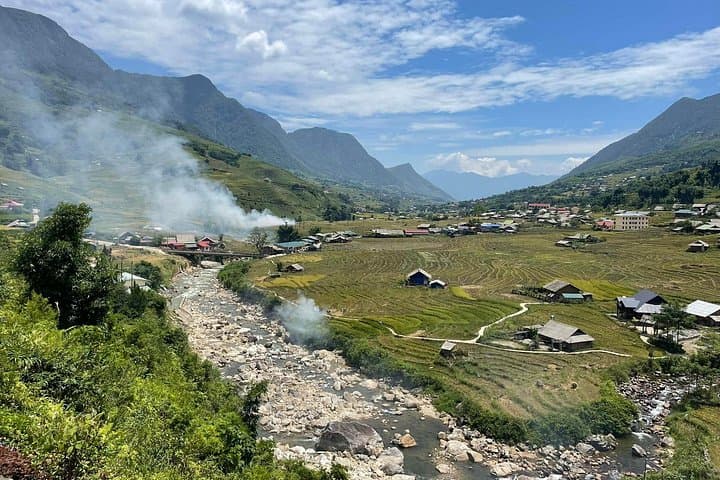
You step from Sapa town into a cool, green hush—mist rubbing shoulders with the peaks of the Hoang Lien Son range as the Muong Hoa stream hurries ahead, daring you to keep pace.
You step from Sapa town into a cool, green hush—mist rubbing shoulders with the peaks of the Hoang Lien Son range as the Muong Hoa stream hurries ahead, daring you to keep pace.
The route drops into Y Linh Ho, a ribbon of terraces that bend with the contours of the valley. These rice benches were carved and maintained by Black H’mong and Dzao communities over generations; their patterns follow both geology and farming rhythm, responding to steep slopes, seasonal monsoons and the valley’s alluvial soils. Along the trail you’ll pass carved stone fields and footbridges that once marked trade lines between hill villages.
Culturally, Lao Chai and Ta Van are living villages—wooden houses, hand-stitched textiles, and shared tea that invite conversation. Geologically the valley is young: uplifted by regional tectonics and shaped by fast seasonal runoff, which is why drainage and terrace maintenance are constant local concerns.
Practical guidance: the half-day trek runs roughly 6–7 hours including travel, with 4–6 miles of walking over uneven packed-earth and stone steps; expect moderate climbs and some slick sections after rain. Wear grippy footwear, bring 1–1.5 liters of water, layered rain gear, and small local currency for homestay purchases. The guide handles logistics and the return bus to Sapa; follow local etiquette—ask before photographing people and accept offers to visit a home.
This trek blends clear views, living culture and straightforward routing—ideal for hikers who want a compact but authentic window into northern Vietnam’s highland life.