THE ADVENTURE COLLECTIVE® · Independent discovery and booking for outdoor travel

Spend four hours moving from the tiled calm of Salalah’s mosque to the UNESCO‑listed Al Baleed and the fragrant lanes of Haffa Souq. This half‑day tour pairs a concise cultural narrative with hands‑on market time and local history tied to the frankincense trade.
Spend four hours moving from the tiled calm of Salalah’s mosque to the UNESCO‑listed Al Baleed and the fragrant lanes of Haffa Souq. This half‑day tour pairs a concise cultural narrative with hands‑on market time and local history tied to the frankincense trade.
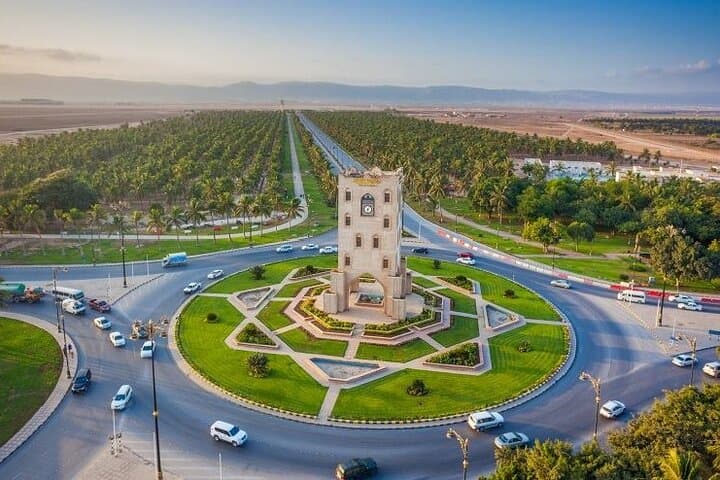
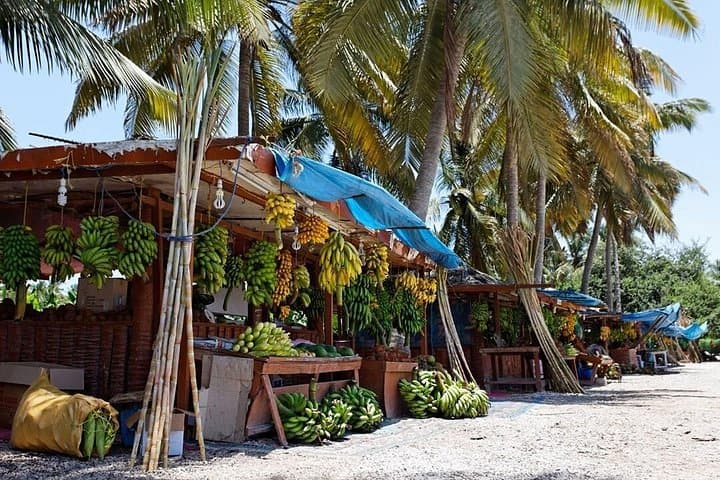
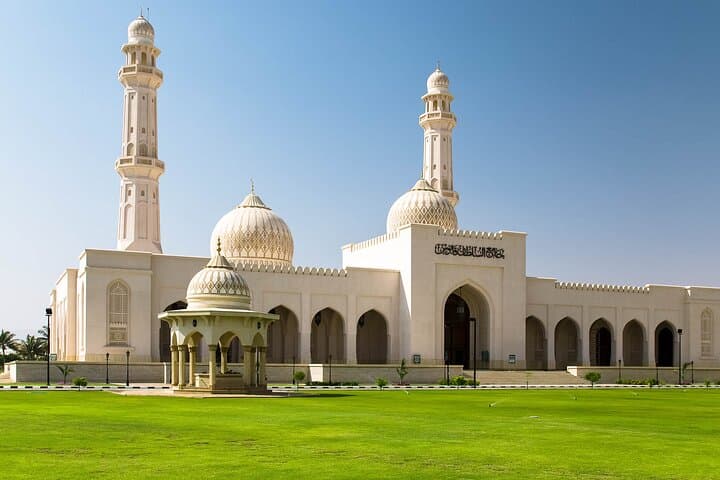
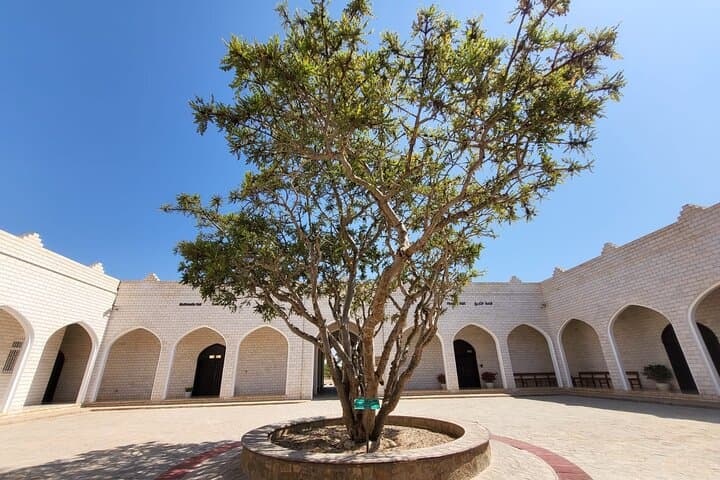
Early morning in Salalah feels like a city waking to the scent of the sea and resinous frankincense carried on a warm breeze. On a half‑day circuit visitors move from the mosque’s tiled calm through shaded plantation lanes of coconut and banana, then step into the archaeological hush of Al Baleed before the colors and calls of Haffa Souq draw them into market life.
Verified experiences and guided adventures in the surrounding area.
Operated by Marhaba Dhofar · Salalah, Dhofar
Early morning in Salalah feels like a city waking to the scent of the sea and resinous frankincense carried on a warm breeze. On a half‑day circuit visitors move from the mosque’s tiled calm through shaded plantation lanes of coconut and banana, then step into the archaeological hush of Al Baleed before the colors and calls of Haffa Souq draw them into market life.
The tour threads cultural history with landscape: Al Baleed is part of the Frankincense Trail and reveals Dhofar’s maritime trade links stretching back millennia; local farms reflect the region’s unique ability to grow tropical crops on the Arabian Peninsula; and Haffa’s narrow alleys remain one of the best places to handle raw frankincense and meet local traders. Geologically, the Khareef season (summer monsoon) transforms nearby slopes and coastal plains, turning arid scrub into abrupt green that changes the city’s mood and light.
Expect short walks on flat, compact paths, museum galleries, and market browsing with ample photo stops (Al Husn palace seen from the outside). Practical points: modest dress is required at the mosque and cameras may be restricted inside some exhibits; shops at Haffa close midday (roughly 13:00–16:30). The pace is relaxed—four hours of guided travel in an air‑conditioned vehicle—so bring sun protection, water, and small local cash for purchases. The tour suits travelers wanting a concise cultural primer on Dhofar with tangible ties to the frankincense trade and everyday Salalah life.
easy.
4 hours.
Suitable for most fitness levels; involves short, mostly level walks and stair-free museum access.
Yes—entrance to Al Baleed Archaeological Park and the Museum of the Frankincense Land is included in this tour.
The mosque is open to visitors most mornings (about 08:30–11:00) except Friday—women should cover hair and everyone should wear modest clothing.
Yes—strollers are permitted but should be foldable; infants are expected to sit on an adult’s lap during the tour vehicle transfer.
Haffa Souq typically closes around 13:00–16:30; the itinerary can adjust timing where possible, but mid‑day closures are common.
Dhofar’s wealth came from frankincense; Al Baleed was a major medieval port on the Frankincense Trail connecting Arabia to East Africa and South Asia.
Sustainable harvesting of Boswellia sacra (frankincense) and protection of coastal habitats are local priorities; visitors should avoid buying unregulated wildlife products and reduce plastic waste.
Marhaba Dhofar operates guided outdoor trips and adventures with an emphasis on safety, stewardship, and memorable experiences.
Early morning in Salalah feels like a city waking to the scent of the sea and resinous frankincense carried on a warm breeze. On a half‑day circuit visitors move from the mosque’s tiled calm through shaded plantation lanes of coconut and banana, then step into the archaeological hush of Al Baleed before the colors and calls of Haffa Souq draw them into market life.
Early morning in Salalah feels like a city waking to the scent of the sea and resinous frankincense carried on a warm breeze. On a half‑day circuit visitors move from the mosque’s tiled calm through shaded plantation lanes of coconut and banana, then step into the archaeological hush of Al Baleed before the colors and calls of Haffa Souq draw them into market life.
The tour threads cultural history with landscape: Al Baleed is part of the Frankincense Trail and reveals Dhofar’s maritime trade links stretching back millennia; local farms reflect the region’s unique ability to grow tropical crops on the Arabian Peninsula; and Haffa’s narrow alleys remain one of the best places to handle raw frankincense and meet local traders. Geologically, the Khareef season (summer monsoon) transforms nearby slopes and coastal plains, turning arid scrub into abrupt green that changes the city’s mood and light.
Expect short walks on flat, compact paths, museum galleries, and market browsing with ample photo stops (Al Husn palace seen from the outside). Practical points: modest dress is required at the mosque and cameras may be restricted inside some exhibits; shops at Haffa close midday (roughly 13:00–16:30). The pace is relaxed—four hours of guided travel in an air‑conditioned vehicle—so bring sun protection, water, and small local cash for purchases. The tour suits travelers wanting a concise cultural primer on Dhofar with tangible ties to the frankincense trade and everyday Salalah life.