THE ADVENTURE COLLECTIVE® · Independent discovery and booking for outdoor travel

A compact wildlife outing from Durban, this half‑day tour pairs Tala’s open‑savannah game drives with a visit to Natal Park to view elephants. It’s an accessible, guide‑led introduction to KwaZulu‑Natal’s wildlife and conservation work.
A compact wildlife outing from Durban, this half‑day tour pairs Tala’s open‑savannah game drives with a visit to Natal Park to view elephants. It’s an accessible, guide‑led introduction to KwaZulu‑Natal’s wildlife and conservation work.
You pull away from Durban’s ocean horizon and the city loosens its hold—rolling KwaZulu‑Natal hills rise, grasslands stretch their spines and the air sharpens with bird calls. On arrival at Tala Game Reserve the open safari vehicle hums to life and the landscape takes over: acacia-lined ridges, grassy pans and the occasional stand of fever trees that seem to lean in to watch.
Verified experiences and guided adventures in the surrounding area.
Operated by African Tour Safaris · Durban, KwaZulu-Natal
You pull away from Durban’s ocean horizon and the city loosens its hold—rolling KwaZulu‑Natal hills rise, grasslands stretch their spines and the air sharpens with bird calls. On arrival at Tala Game Reserve the open safari vehicle hums to life and the landscape takes over: acacia-lined ridges, grassy pans and the occasional stand of fever trees that seem to lean in to watch.
Tala is a private reserve created to protect pockets of KwaZulu‑Natal’s dry savannah and wetland mosaics. Geologically the area is part of the coastal hinterland where ancient sandstone gives way to richer soils that support grazing herds. Culturally, the reserve sits within a region shaped by Zulu heritage and modern conservation partnerships that employ local guides and community programs.
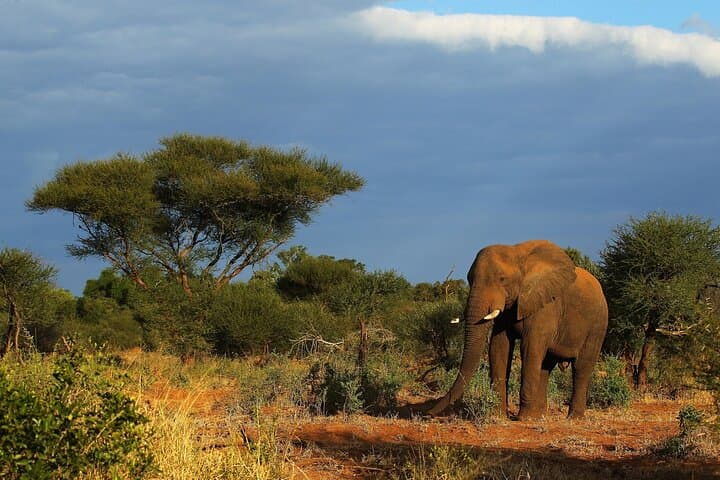
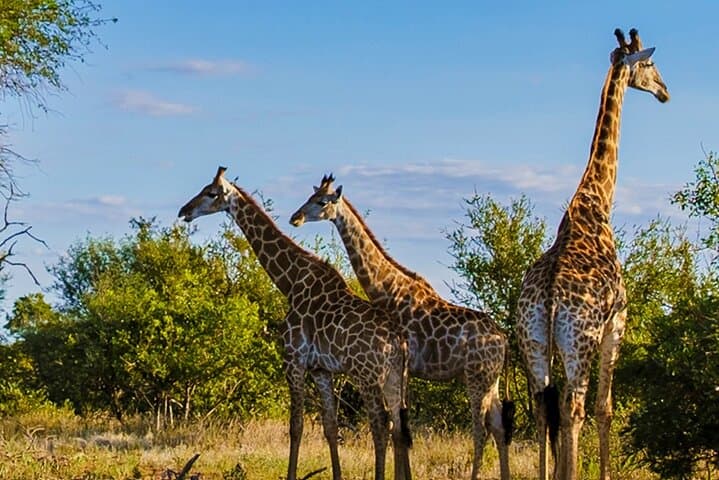
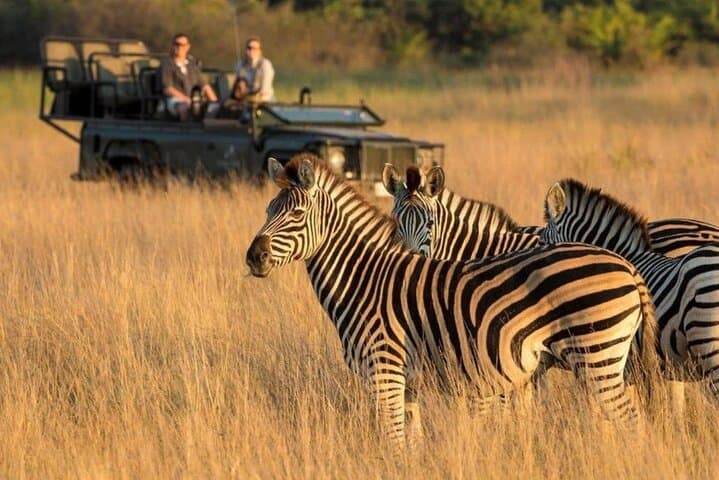
Expect guided drives that prioritize sighting etiquette and slow, deliberate tracking—guides point out giraffe browsing, zebra bands, and smaller antelope that blend into the grass. The tour continues to Natal Park where elephants are a highlight; here the scale of the animals and the openness of the terrain alter your sense of distance and pace.
Practical details: the trip is half‑day (about 5–6 hours including return transport to Durban), mostly open‑vehicle driving on graded tracks with short stops for viewing and photography. Bring sun protection, a refillable water bottle, a camera with a moderate zoom, and comfortable closed shoes. Morning departures give cooler light and more animal activity; afternoons warm up and birds are more active. Guides handle logistics—arrive ready to listen, watch, and leave with a clearer sense of the region’s wildlife and conservation stories.
easy.
5–6 hours.
Suitable for most fitness levels; requires getting on/off an open safari vehicle and standing briefly for short walks.
The round trip including both reserves typically takes about 5–6 hours total, with pickup from central Durban locations and road transfer of roughly 45–90 minutes each way depending on traffic.
This itinerary focuses on Tala Game Reserve and Natal Park where common sightings include giraffe, zebra, antelope and elephants at Natal Park; lions are not guaranteed unless specifically listed in the operator’s full reserve program.
The operator lists wheelchair accessible transport and surfaces, but confirm specific mobility needs at booking to arrange appropriate vehicle and assistance.
Yes—children are welcome, but infants are required to sit on an adult’s lap and parents should check age guidelines for longer game drives or special interactions.
Tala was established as a private reserve to conserve remnant grassland and wetland habitats, working with local communities to protect species and provide employment.
Operators emphasize low‑impact viewing and community partnerships; stick to vehicles and follow guide instructions to minimize disturbance and support conservation goals.
African Tour Safaris operates guided outdoor trips and adventures with an emphasis on safety, stewardship, and memorable experiences.
You pull away from Durban’s ocean horizon and the city loosens its hold—rolling KwaZulu‑Natal hills rise, grasslands stretch their spines and the air sharpens with bird calls. On arrival at Tala Game Reserve the open safari vehicle hums to life and the landscape takes over: acacia-lined ridges, grassy pans and the occasional stand of fever trees that seem to lean in to watch.
You pull away from Durban’s ocean horizon and the city loosens its hold—rolling KwaZulu‑Natal hills rise, grasslands stretch their spines and the air sharpens with bird calls. On arrival at Tala Game Reserve the open safari vehicle hums to life and the landscape takes over: acacia-lined ridges, grassy pans and the occasional stand of fever trees that seem to lean in to watch.
Tala is a private reserve created to protect pockets of KwaZulu‑Natal’s dry savannah and wetland mosaics. Geologically the area is part of the coastal hinterland where ancient sandstone gives way to richer soils that support grazing herds. Culturally, the reserve sits within a region shaped by Zulu heritage and modern conservation partnerships that employ local guides and community programs.
Expect guided drives that prioritize sighting etiquette and slow, deliberate tracking—guides point out giraffe browsing, zebra bands, and smaller antelope that blend into the grass. The tour continues to Natal Park where elephants are a highlight; here the scale of the animals and the openness of the terrain alter your sense of distance and pace.
Practical details: the trip is half‑day (about 5–6 hours including return transport to Durban), mostly open‑vehicle driving on graded tracks with short stops for viewing and photography. Bring sun protection, a refillable water bottle, a camera with a moderate zoom, and comfortable closed shoes. Morning departures give cooler light and more animal activity; afternoons warm up and birds are more active. Guides handle logistics—arrive ready to listen, watch, and leave with a clearer sense of the region’s wildlife and conservation stories.