THE ADVENTURE COLLECTIVE® · Independent discovery and booking for outdoor travel

Spend a half-day from Durban exploring Natal Park’s elephant encounter and Tala Private Game Reserve’s open plains. Expect guided drives, close rhino viewing and an informative raptor center visit—perfect for travelers short on time who want a concentrated wildlife experience.
Spend a half-day from Durban exploring Natal Park’s elephant encounter and Tala Private Game Reserve’s open plains. Expect guided drives, close rhino viewing and an informative raptor center visit—perfect for travelers short on time who want a concentrated wildlife experience.
Early light spills across the rolling grasslands as your transfer peels away from Durban’s coastline and into KwaZulu-Natal’s changing colors. Within an hour the city’s roar softens and the reserve’s air—dry grass, distant bird calls—takes over. The day begins with a close, controlled encounter with elephants at Natal Park, then widens into the open plains and acacia-lined pockets of Tala Private Game Reserve where rhino, giraffe and zebra move through broad, sunlit spaces.
Verified experiences and guided adventures in the surrounding area.
Operated by 1st Zulu Safaris · Durban, KwaZulu-Natal
Early light spills across the rolling grasslands as your transfer peels away from Durban’s coastline and into KwaZulu-Natal’s changing colors. Within an hour the city’s roar softens and the reserve’s air—dry grass, distant bird calls—takes over. The day begins with a close, controlled encounter with elephants at Natal Park, then widens into the open plains and acacia-lined pockets of Tala Private Game Reserve where rhino, giraffe and zebra move through broad, sunlit spaces.
KwaZulu-Natal’s landscape is a product of ancient rivers cutting down from the Drakensberg foothills, creating a patchwork of savanna and pockets of indigenous forest. The region’s history ties Zulu culture, colonial-era conservation shifts and modern sanctuary work; Tala itself operates as a rhino sanctuary and birding hotspot, with over 3000 hectares supporting diverse species and a notable raptor collection.
Expect guided game drives from a closed vehicle, stops at interpretive points, and a knowledgeable guide narrating behavior, habitat and conservation context. The raptor centre adds a compact, hands-off chance to learn about rehabilitation and threatened species.
Practical tips: leave early for cooler light and active wildlife; bring binoculars and a sun hat; pack insect repellent and water. Terrain is driven rather than hiked—good for most fitness levels—but brief, uneven walking around animal enclosures may occur. Photography is best with a medium telephoto lens; keep noise low and follow guide instructions around large mammals. The trip is accessible from Durban in roughly 50–60 minutes by air-conditioned vehicle, making it a focused wildlife window for travelers short on time but hungry for close encounters and conservation stories.
easy.
6 hours.
Suitable for most fitness levels; minimal walking required but must be able to board a vehicle and stand briefly during stops.
The drive is roughly 50–60 minutes from central Durban, depending on traffic and pickup point.
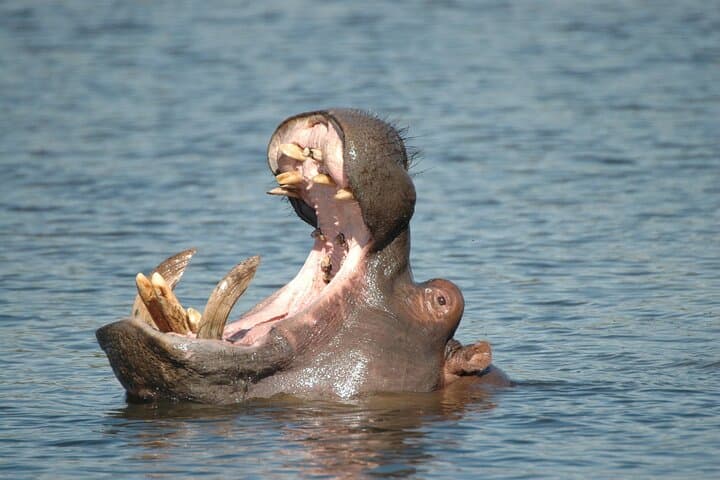
Tala is a rhino sanctuary and hosts many large mammals; lions are not guaranteed—this tour focuses on rhino, giraffe, zebra and hippo sightings plus a raptor centre.
Yes—vehicles and sites are wheelchair accessible and infant seats are available; notify the operator in advance about any mobility or size requirements.
According to the listing, all fees and taxes are included in the tour price, but confirm at booking for any optional activities.
Tala has evolved from private farmland to a conservation-focused reserve and rhino sanctuary, reflecting regional shifts toward managed protection and eco-tourism.
The reserve emphasizes rhino protection and raptor rehabilitation; visitors are asked to follow guidelines to minimize disturbance and support ongoing conservation efforts.
1st Zulu Safaris operates guided outdoor trips and adventures with an emphasis on safety, stewardship, and memorable experiences.
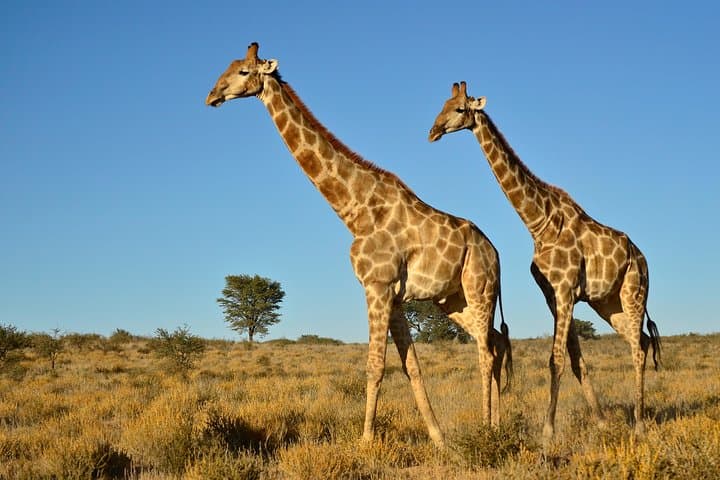
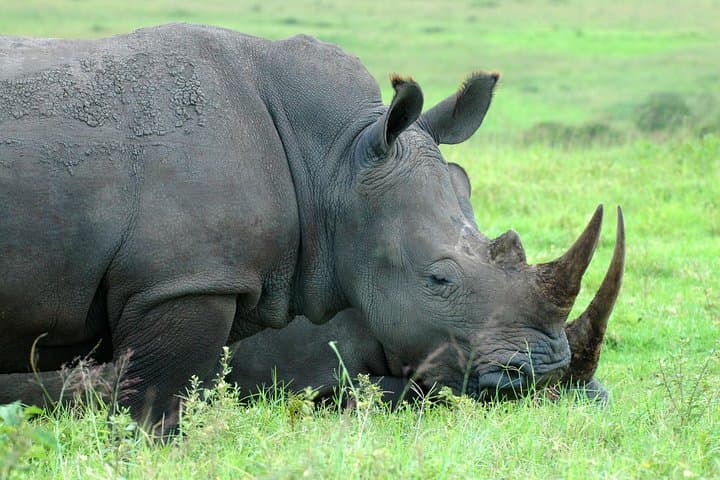
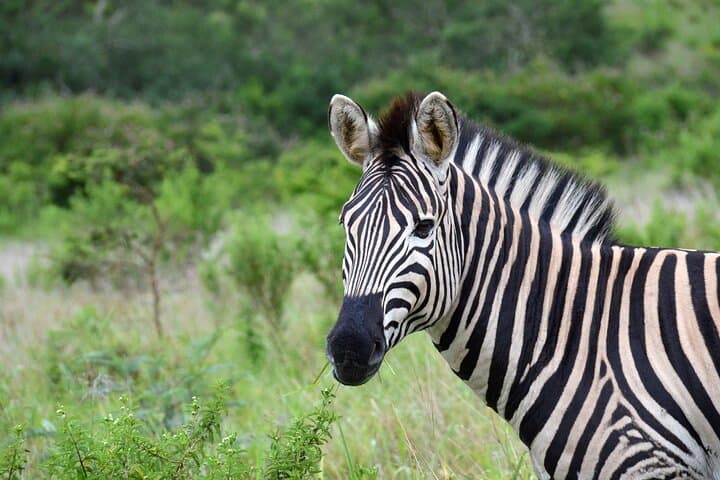
Early light spills across the rolling grasslands as your transfer peels away from Durban’s coastline and into KwaZulu-Natal’s changing colors. Within an hour the city’s roar softens and the reserve’s air—dry grass, distant bird calls—takes over. The day begins with a close, controlled encounter with elephants at Natal Park, then widens into the open plains and acacia-lined pockets of Tala Private Game Reserve where rhino, giraffe and zebra move through broad, sunlit spaces.
Early light spills across the rolling grasslands as your transfer peels away from Durban’s coastline and into KwaZulu-Natal’s changing colors. Within an hour the city’s roar softens and the reserve’s air—dry grass, distant bird calls—takes over. The day begins with a close, controlled encounter with elephants at Natal Park, then widens into the open plains and acacia-lined pockets of Tala Private Game Reserve where rhino, giraffe and zebra move through broad, sunlit spaces.
KwaZulu-Natal’s landscape is a product of ancient rivers cutting down from the Drakensberg foothills, creating a patchwork of savanna and pockets of indigenous forest. The region’s history ties Zulu culture, colonial-era conservation shifts and modern sanctuary work; Tala itself operates as a rhino sanctuary and birding hotspot, with over 3000 hectares supporting diverse species and a notable raptor collection.
Expect guided game drives from a closed vehicle, stops at interpretive points, and a knowledgeable guide narrating behavior, habitat and conservation context. The raptor centre adds a compact, hands-off chance to learn about rehabilitation and threatened species.
Practical tips: leave early for cooler light and active wildlife; bring binoculars and a sun hat; pack insect repellent and water. Terrain is driven rather than hiked—good for most fitness levels—but brief, uneven walking around animal enclosures may occur. Photography is best with a medium telephoto lens; keep noise low and follow guide instructions around large mammals. The trip is accessible from Durban in roughly 50–60 minutes by air-conditioned vehicle, making it a focused wildlife window for travelers short on time but hungry for close encounters and conservation stories.