THE ADVENTURE COLLECTIVE® · Independent discovery and booking for outdoor travel

Scale clean sandstone above Camps Bay on a guided half-day multi-pitch climb of Table Mountain. This trad route delivers ocean views, technical exposure, and a guided introduction to multi-pitch movement and rope work.
Scale clean sandstone above Camps Bay on a guided half-day multi-pitch climb of Table Mountain. This trad route delivers ocean views, technical exposure, and a guided introduction to multi-pitch movement and rope work.
You clip in at the edge of a slab and the city exhales beneath you — a scatter of roofs, the Atlantic glinting beyond Camps Bay, the cable car shrinking to a toy. Wind moves across the sandstone as if testing the ropes. Your guide nods, checks your hitch, and the route begins: three to four pitches of traditional climbing that thread seams and small edges carved into Table Mountain’s steep face.
Verified experiences and guided adventures in the surrounding area.
Operated by Kayu Adventures · Cape Town, Western Cape
You clip in at the edge of a slab and the city exhales beneath you — a scatter of roofs, the Atlantic glinting beyond Camps Bay, the cable car shrinking to a toy. Wind moves across the sandstone as if testing the ropes. Your guide nods, checks your hitch, and the route begins: three to four pitches of traditional climbing that thread seams and small edges carved into Table Mountain’s steep face.
Table Mountain’s sandstone is stubborn and slow to change — more than 450 million years of pressure and sea laid down the layers you climb. That geology creates the clean cracks and frictiony faces that attract climbers from around the world. Cape Town’s human history sits in the same view: Khoikhoi people used the mountain as a navigational anchor; 17th-century sailors noted its flat profile on long passages. Today the mountain is both a natural landmark and a living playground where fynbos flowers push through rock and rock hyrax sun themselves on ledges.
This is trad climbing in the raw: no fixed bolts, gear placed and removed as you ascend, then an adrenaline-dosed rappel off the top. The route is adaptable — guides adjust pitches and difficulty to match clients, so many first-time multi-pitch climbers find themselves summiting in a day. The rewards are as practical as they are cinematic: sweeping ocean panoramas to the west, the city grid to the northeast, and the tactile satisfaction of hand-placed protection holding your progress.
Practicalities matter. Meet at Vida e Café before your start, and expect to be out for roughly four to five hours including transport on the plateau and rigging time. The operator supplies ropes, helmets, and a full rack; climbers should be in good cardiovascular shape and able to manage exposure. Weather here turns quickly — winds can cancel climbs, and the guides will postpone for safety. Note the physical restrictions: not recommended for travelers with serious back, heart, or pregnancy concerns.
To get the most from the day, time your climb for morning or late afternoon light — the rock heats and the wind changes in midday. Hydrate well, layer for both sun and sudden coolness on the plateau, and be prepared for technical instruction: basic belaying and rope management speed the day. Respect the route — it’s a fragile ecosystem up there; stay on established lines and pack out what you pack in. Climb smart, and Table Mountain will offer one of the cleanest, wildest urban exposures on the planet.
challenging.
4–5 hours.
Good to excellent cardiovascular fitness and climbing endurance; able to handle sustained exertion and exposure.
Basic climbing experience is recommended; guides can take beginners but you should be comfortable on single-pitch routes and following instruction for rope work.
Typically the group takes the cable car up and rappels down from the climb, but logistics depend on weather and route selection for the day.
The operator cancels climbs in high winds or heavy rain for safety; full refunds are available up to 24 hours prior or per the stated cancellation policy.
Booking questions request height and weight; kids may climb on a case-by-case basis and guides assess suitability for safety reasons.
Comfortable climbing or athletic clothing, layered for sun and wind; approach shoes for hiking to the start and climbing shoes for the route.
Yes — ropes, helmets, and general climbing rack are included, though you may bring personal gear if preferred.
Table Mountain has been a navigational landmark since early maritime routes and holds cultural significance for local Khoikhoi communities; the sandstone underpins both natural history and climbing character.
The plateau’s fynbos is fire-adapted but sensitive to trampling and invasive plants—stick to established approaches and follow Leave No Trace practices to protect routes.
Kayu Adventures operates guided outdoor trips and adventures with an emphasis on safety, stewardship, and memorable experiences.
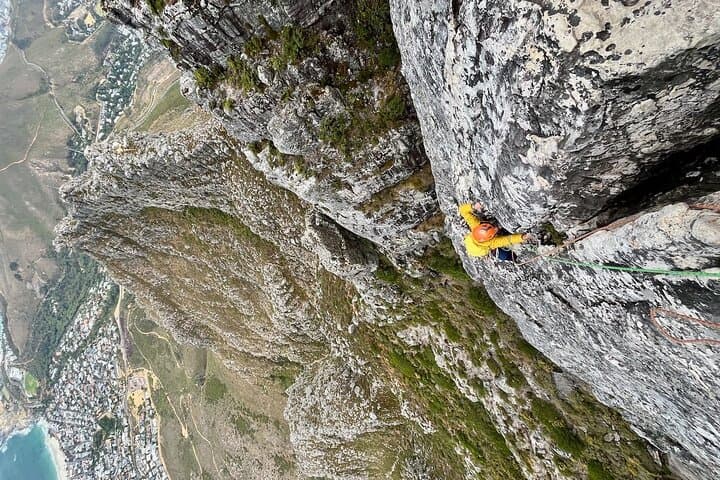
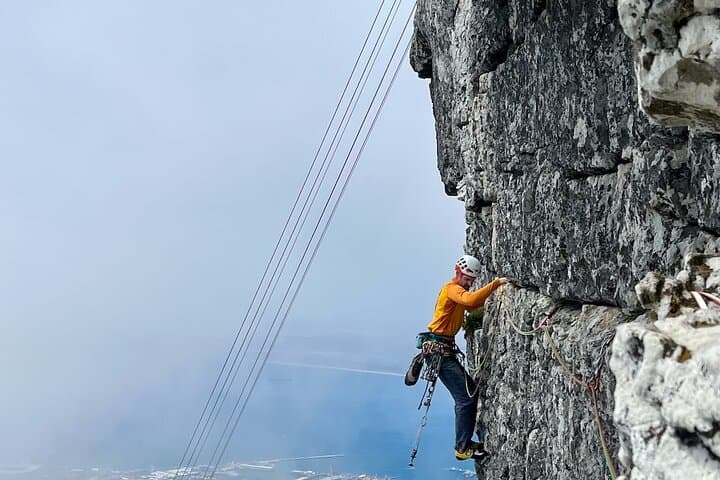
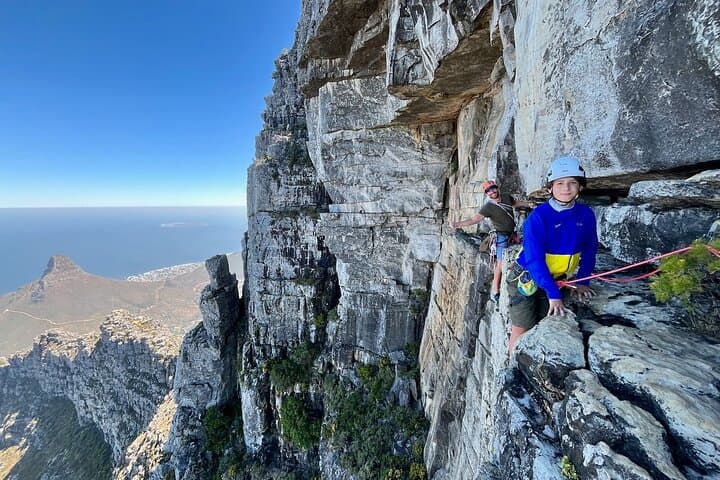
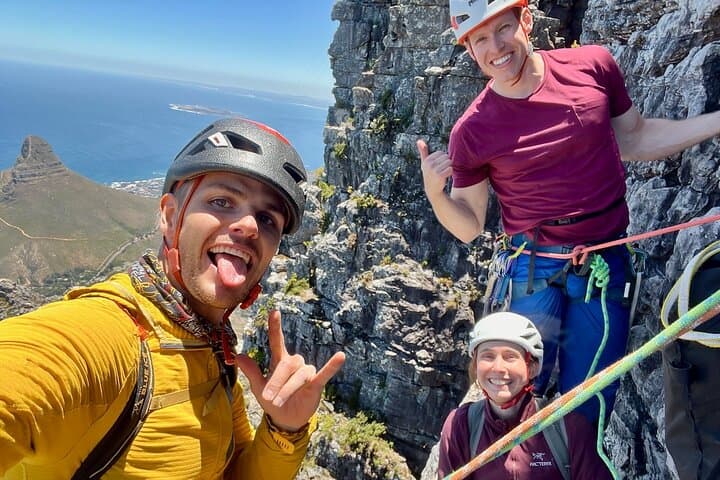
You clip in at the edge of a slab and the city exhales beneath you — a scatter of roofs, the Atlantic glinting beyond Camps Bay, the cable car shrinking to a toy. Wind moves across the sandstone as if testing the ropes. Your guide nods, checks your hitch, and the route begins: three to four pitches of traditional climbing that thread seams and small edges carved into Table Mountain’s steep face.
You clip in at the edge of a slab and the city exhales beneath you — a scatter of roofs, the Atlantic glinting beyond Camps Bay, the cable car shrinking to a toy. Wind moves across the sandstone as if testing the ropes. Your guide nods, checks your hitch, and the route begins: three to four pitches of traditional climbing that thread seams and small edges carved into Table Mountain’s steep face.
Table Mountain’s sandstone is stubborn and slow to change — more than 450 million years of pressure and sea laid down the layers you climb. That geology creates the clean cracks and frictiony faces that attract climbers from around the world. Cape Town’s human history sits in the same view: Khoikhoi people used the mountain as a navigational anchor; 17th-century sailors noted its flat profile on long passages. Today the mountain is both a natural landmark and a living playground where fynbos flowers push through rock and rock hyrax sun themselves on ledges.
This is trad climbing in the raw: no fixed bolts, gear placed and removed as you ascend, then an adrenaline-dosed rappel off the top. The route is adaptable — guides adjust pitches and difficulty to match clients, so many first-time multi-pitch climbers find themselves summiting in a day. The rewards are as practical as they are cinematic: sweeping ocean panoramas to the west, the city grid to the northeast, and the tactile satisfaction of hand-placed protection holding your progress.
Practicalities matter. Meet at Vida e Café before your start, and expect to be out for roughly four to five hours including transport on the plateau and rigging time. The operator supplies ropes, helmets, and a full rack; climbers should be in good cardiovascular shape and able to manage exposure. Weather here turns quickly — winds can cancel climbs, and the guides will postpone for safety. Note the physical restrictions: not recommended for travelers with serious back, heart, or pregnancy concerns.
To get the most from the day, time your climb for morning or late afternoon light — the rock heats and the wind changes in midday. Hydrate well, layer for both sun and sudden coolness on the plateau, and be prepared for technical instruction: basic belaying and rope management speed the day. Respect the route — it’s a fragile ecosystem up there; stay on established lines and pack out what you pack in. Climb smart, and Table Mountain will offer one of the cleanest, wildest urban exposures on the planet.