THE ADVENTURE COLLECTIVE® · Independent discovery and booking for outdoor travel

A compact, instructor-led climb on Crete that fits into a morning or afternoon: one to two routes, belay training, and guided photos. Ideal for first-timers and light intermediates who want real vertical exposure without a full-day commitment.
A compact, instructor-led climb on Crete that fits into a morning or afternoon: one to two routes, belay training, and guided photos. Ideal for first-timers and light intermediates who want real vertical exposure without a full-day commitment.
Sunlight slants across a vertical face and the limestone seems to glow from within. Beneath your hands, the rock is warm and grainy, full of pockets and edges that invite small, precise moves. A guide checks your harness with steady, practiced motions and you feel the nervous excitement that comes before any good climb — the map of the route in your head, the rope singing faintly as it runs through the belay device.
Verified experiences and guided adventures in the surrounding area.
Operated by Your Guide Crete · Heraklion, Crete
Sunlight slants across a vertical face and the limestone seems to glow from within. Beneath your hands, the rock is warm and grainy, full of pockets and edges that invite small, precise moves. A guide checks your harness with steady, practiced motions and you feel the nervous excitement that comes before any good climb — the map of the route in your head, the rope singing faintly as it runs through the belay device.
This half-day, 2–3 hour guided excursion on Crete is built for that pulse: one to two short sport routes, a quick clinic in safety and belaying, and a handful of photos and videos to prove you climbed something real. Crete’s cliffs are products of a long geologic conversation between the sea and limestone: uplifted beds folded and karstified into the steep walls favored by climbers. The island’s rock is compact and varied — pockets and tufas meet slab sections — offering an ideal introduction to movement and balance.
Climbing on Crete also carries human history. Millennia-old shepherds’ trails cross these slopes; below, olive groves and scrub hint at agricultural rhythms that have shaped the island since Minoan times. Local climbing spots are working landscapes: shepherds, seasonal hikers and nesting raptors share the cliffs, and guides will often point out endemic plants and geological markers that local communities respect.
Practically, the tour meets at a hotel parking lot (pickup is commonly available across resort stretches) and runs roughly 150 minutes. Guides supply helmets, harnesses, ropes and instruction — the experience is designed for beginners and light intermediate climbers, so no prior technical know-how is required. Expect short approaches, two to three pitches of single-pitch sport climbing, on-belay coaching, and a steady stream of photos and short video clips taken by the guide.
Safety and environmental care matter: the operator advises a moderate fitness level and excludes those with serious spinal, heart conditions or pregnancy. Bring a small daypack with sun protection, sturdy shoes to reach the base, and a light layer for wind exposure on higher faces. Morning departures avoid heat; late afternoon sessions lean into long shadows and softer light for photos.
If you want a compact, instructor-led taste of vertical terrain on Crete — with practical coaching and minimal time commitment — this half-day climb delivers. It’s an efficient, confidence-building climb that leaves you with technique to practice, pictures to keep, and a sharper sense of how the island’s landscape challenges and rewards every handhold.
moderate.
2–3 hours.
Moderate — able to walk short uneven approaches and climb short, sustained moves; good balance helps.
No; this is designed as an introductory session. Guides teach basic movement, belaying and safety so beginners can climb safely.
Age and weight requirements vary; the operator requests passenger details at booking — expect minimum age around 12 with parental consent, and weight limits set by harness fit and safety practices.
Yes. Helmets, harnesses, ropes and belay devices are provided, along with bottled water and snacks; you can rent climbing shoes on site if needed.
Routes are chosen for beginners to light intermediates — short sport climbs with manageable moves and secure anchors; the guide will match routes to group ability.
The provider will cancel in unsafe conditions; full refunds are available if you cancel at least 24 hours before departure according to the cancellation policy.
Pickup from many hotels across Crete’s resort areas is possible; confirm your pickup point at booking or meet at the designated hotel parking lot.
These limestone walls formed over millions of years and sit above landscapes shaped by centuries of pastoral farming and Minoan-era settlements.
Guides emphasize low-impact climbing—avoid fixed chalky markers, stay on established trails, and respect nesting seasons for raptors.
Your Guide Crete operates guided outdoor trips and adventures with an emphasis on safety, stewardship, and memorable experiences.
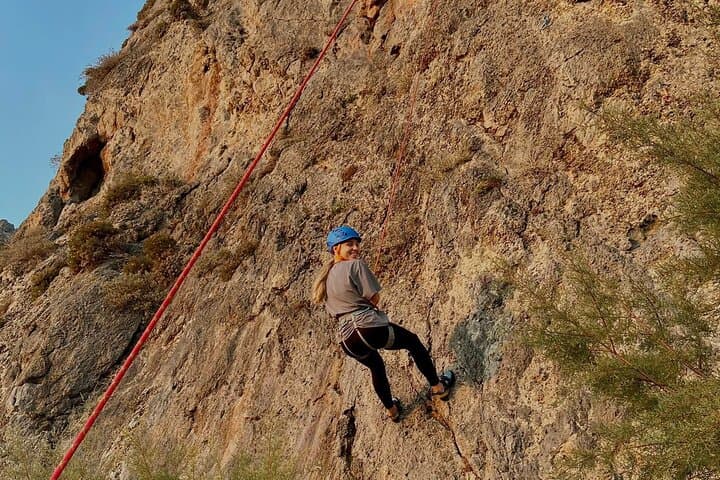
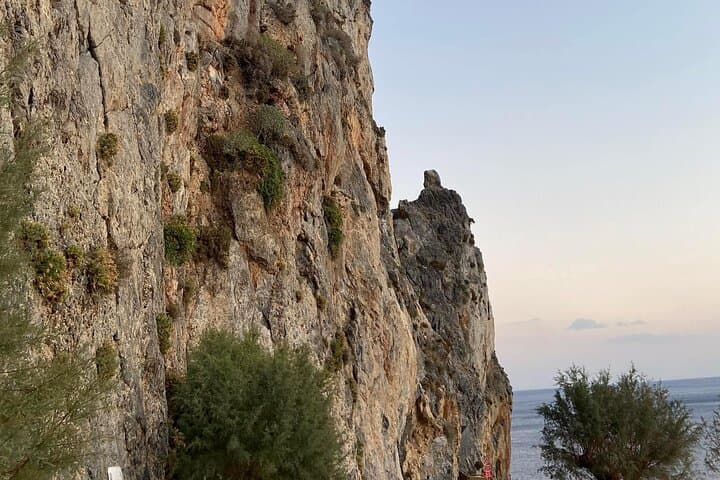
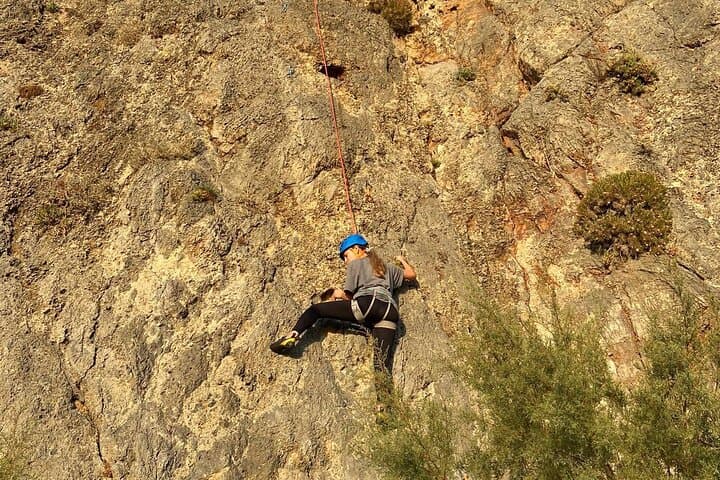
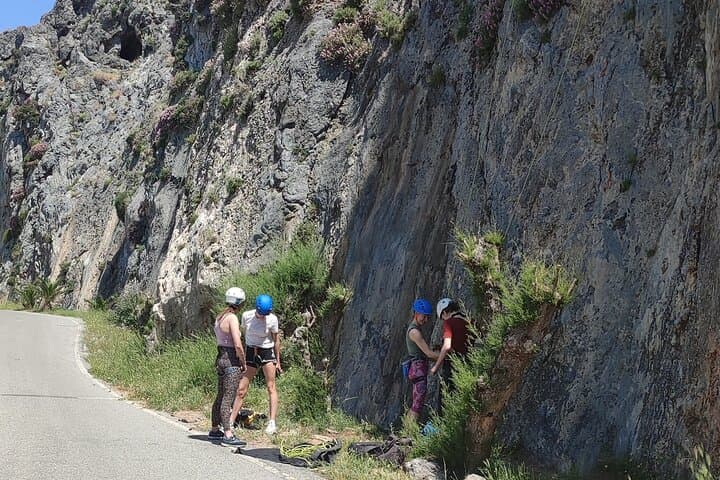
Sunlight slants across a vertical face and the limestone seems to glow from within. Beneath your hands, the rock is warm and grainy, full of pockets and edges that invite small, precise moves. A guide checks your harness with steady, practiced motions and you feel the nervous excitement that comes before any good climb — the map of the route in your head, the rope singing faintly as it runs through the belay device.
Sunlight slants across a vertical face and the limestone seems to glow from within. Beneath your hands, the rock is warm and grainy, full of pockets and edges that invite small, precise moves. A guide checks your harness with steady, practiced motions and you feel the nervous excitement that comes before any good climb — the map of the route in your head, the rope singing faintly as it runs through the belay device.
This half-day, 2–3 hour guided excursion on Crete is built for that pulse: one to two short sport routes, a quick clinic in safety and belaying, and a handful of photos and videos to prove you climbed something real. Crete’s cliffs are products of a long geologic conversation between the sea and limestone: uplifted beds folded and karstified into the steep walls favored by climbers. The island’s rock is compact and varied — pockets and tufas meet slab sections — offering an ideal introduction to movement and balance.
Climbing on Crete also carries human history. Millennia-old shepherds’ trails cross these slopes; below, olive groves and scrub hint at agricultural rhythms that have shaped the island since Minoan times. Local climbing spots are working landscapes: shepherds, seasonal hikers and nesting raptors share the cliffs, and guides will often point out endemic plants and geological markers that local communities respect.
Practically, the tour meets at a hotel parking lot (pickup is commonly available across resort stretches) and runs roughly 150 minutes. Guides supply helmets, harnesses, ropes and instruction — the experience is designed for beginners and light intermediate climbers, so no prior technical know-how is required. Expect short approaches, two to three pitches of single-pitch sport climbing, on-belay coaching, and a steady stream of photos and short video clips taken by the guide.
Safety and environmental care matter: the operator advises a moderate fitness level and excludes those with serious spinal, heart conditions or pregnancy. Bring a small daypack with sun protection, sturdy shoes to reach the base, and a light layer for wind exposure on higher faces. Morning departures avoid heat; late afternoon sessions lean into long shadows and softer light for photos.
If you want a compact, instructor-led taste of vertical terrain on Crete — with practical coaching and minimal time commitment — this half-day climb delivers. It’s an efficient, confidence-building climb that leaves you with technique to practice, pictures to keep, and a sharper sense of how the island’s landscape challenges and rewards every handhold.