THE ADVENTURE COLLECTIVE® · Independent discovery and booking for outdoor travel

A concentrated half-day of limestone sport climbs on Cat Ba Island delivers sharp pockets, short technical routes and sea-swept views over Lan Ha Bay. Guided for mixed abilities, the outing pairs UIAA-standard safety gear with local insight — ideal as a beginner primer or a quick, intense session for experienced climbers.
A concentrated half-day of limestone sport climbs on Cat Ba Island delivers sharp pockets, short technical routes and sea-swept views over Lan Ha Bay. Guided for mixed abilities, the outing pairs UIAA-standard safety gear with local insight — ideal as a beginner primer or a quick, intense session for experienced climbers.
Sunlight slices between limestone spires as the shuttle drops the small group at the base of a sheer karst wall. Salt air and the distant call of fishing boats frame the first stretch of vertical rock; hands test the texture and find a hundred tiny edges honed by rain and tide. Over the next five hours, a single crag can feel like an entire landscape — short, technical sport lines that demand balance; pumpy overhangs that make muscles ask for reprieve; and slabby faces that oblige careful footwork.
Verified experiences and guided adventures in the surrounding area.
Operated by Việt Nam Expeditions · Cát Bà, Hai Phong
Sunlight slices between limestone spires as the shuttle drops the small group at the base of a sheer karst wall. Salt air and the distant call of fishing boats frame the first stretch of vertical rock; hands test the texture and find a hundred tiny edges honed by rain and tide. Over the next five hours, a single crag can feel like an entire landscape — short, technical sport lines that demand balance; pumpy overhangs that make muscles ask for reprieve; and slabby faces that oblige careful footwork.
Cat Ba's cliffs are part of the same karst that stitches Ha Long and Lan Ha bays into one of Southeast Asia's most dramatic coastlines. These limestone towers rose from ancient seabeds and were sculpted by millennia of marine action and chemical weathering — the result is an irregular, pocketed stone that loves small edges and crimps. The island itself has long been a working seascape: small fishing villages and seasonal boat traffic predate the tourism boom, and traces of wartime history sit quietly inland amid jungle trails and limestone ridges.
Climbing on Cat Ba is a practical, gear-forward affair. Routes offered on the half-day program range roughly from UIAA/French grades 4 to 9, with pitches typically 10–40 meters; vertical gain is concentrated on single-pitch climbs rather than long alpine approaches. The operator supplies UIAA-standard safety equipment and climbing shoes to fit, but expect to use your own approach or trail shoes for the short walk from the pickup to the crag. Guides will set up top-ropes and lead routes appropriate to the group’s level; this is a sport-climbing environment on near-coastal limestone, so holds can be sharp when wet.
Timing matters: morning sessions (7:30 start) catch cooler air and calmer seas; afternoon climbs can bake in tropical sun. Snack breaks are local — simple fruit and bars — and the return to Cat Ba town often arrives as boats and markets are busiest.
Practical essentials: be prepared for slippery approaches after rain, bring a refillable water bottle and sun protection, and disclose any medical or physical limitations (the provider requests height/weight and passport details at booking). If you’re new to climbing, this half-day is an efficient primer on technique, ropework and movement on limestone — experienced climbers will find short, sharp tests and variety in line styles. For photographers, lines with ocean backdrops and top-ledge panoramas reward early light. Above all, respect the karst: stay on established paths, follow guide instructions, and pack out what you pack in. This is compact, intense climbing that leaves you smelling of salt and chalk and with a clear idea of why Cat Ba's cliffs have become a regional draw.
moderate.
5 hours.
Suitable for travelers with moderate fitness — some upper-body strength and stamina for repeated climbs helps.
No prior experience is required; guides tailor routes to ability, but basic comfort with heights and a moderate fitness level are expected.
Yes — UIAA-standard harnesses, helmets and climbing shoes are provided; bring your own approach shoes and personal sunscreen.
Meet at 200 Núi Ngọc Street (Ngọc Lan Anh Hotel entrance) where a red "CAT BA PATHFINDERS" sign is posted; shuttle picks up at 7:45/12:45 depending on session.
Bookings request age and weight; heavy or very young travelers may be restricted for safety—check with the operator during booking.
Trips are canceled for heavy rain or unsafe conditions with a full refund if canceled at least 24 hours prior; expect short-notice changes during monsoon spells.
Yes — Cat Ba operators commonly offer multi-activity days; ask about combined itineraries or booking separate Lan Ha Bay boat trips before or after your climb.
Cat Ba’s karst landscape is part of a larger geological system that formed from ancient seabeds; the island’s villages and wartime sites reveal a long maritime culture shaped by fishing and boat travel.
Much of Cat Ba falls under protected park status; follow guide instructions, avoid fixed chalking on holds where discouraged, and minimize plastic waste to reduce impact on the fragile karst-sea ecosystem.
Việt Nam Expeditions operates guided outdoor trips and adventures with an emphasis on safety, stewardship, and memorable experiences.
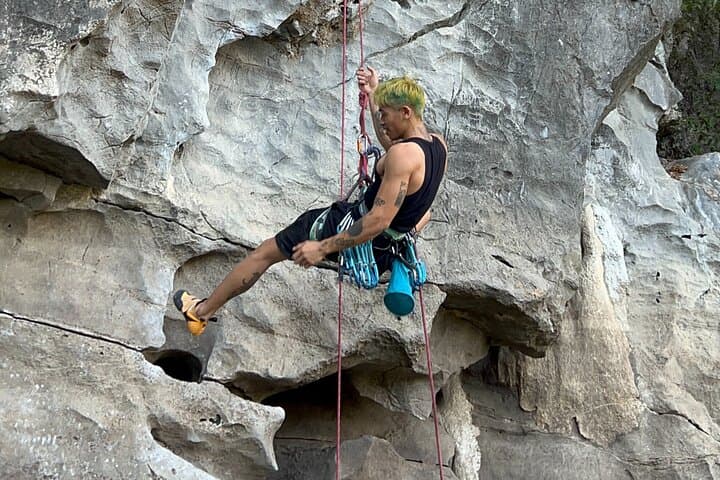
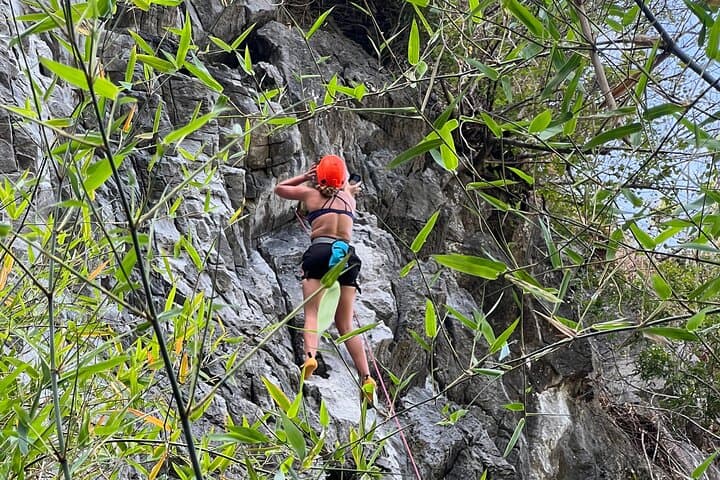
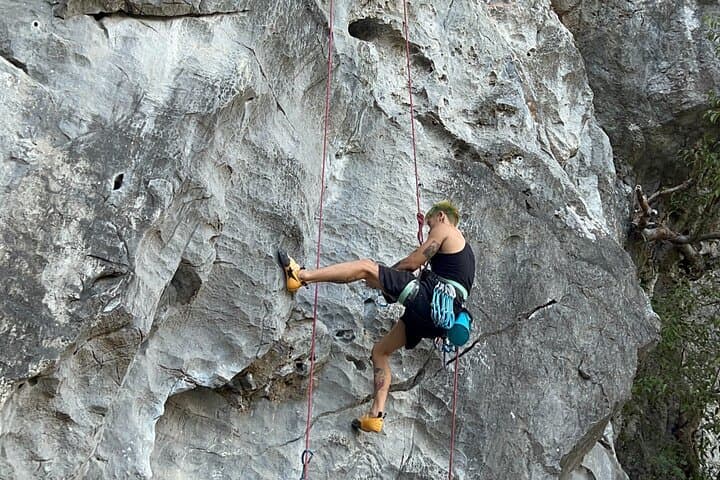
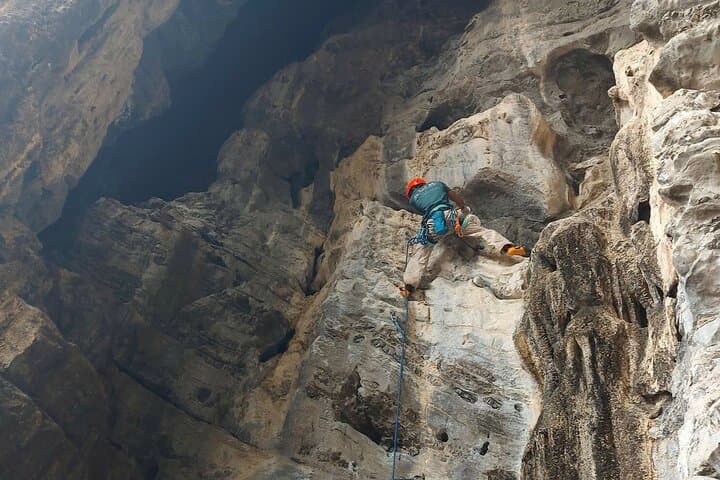
Sunlight slices between limestone spires as the shuttle drops the small group at the base of a sheer karst wall. Salt air and the distant call of fishing boats frame the first stretch of vertical rock; hands test the texture and find a hundred tiny edges honed by rain and tide. Over the next five hours, a single crag can feel like an entire landscape — short, technical sport lines that demand balance; pumpy overhangs that make muscles ask for reprieve; and slabby faces that oblige careful footwork.
Sunlight slices between limestone spires as the shuttle drops the small group at the base of a sheer karst wall. Salt air and the distant call of fishing boats frame the first stretch of vertical rock; hands test the texture and find a hundred tiny edges honed by rain and tide. Over the next five hours, a single crag can feel like an entire landscape — short, technical sport lines that demand balance; pumpy overhangs that make muscles ask for reprieve; and slabby faces that oblige careful footwork.
Cat Ba's cliffs are part of the same karst that stitches Ha Long and Lan Ha bays into one of Southeast Asia's most dramatic coastlines. These limestone towers rose from ancient seabeds and were sculpted by millennia of marine action and chemical weathering — the result is an irregular, pocketed stone that loves small edges and crimps. The island itself has long been a working seascape: small fishing villages and seasonal boat traffic predate the tourism boom, and traces of wartime history sit quietly inland amid jungle trails and limestone ridges.
Climbing on Cat Ba is a practical, gear-forward affair. Routes offered on the half-day program range roughly from UIAA/French grades 4 to 9, with pitches typically 10–40 meters; vertical gain is concentrated on single-pitch climbs rather than long alpine approaches. The operator supplies UIAA-standard safety equipment and climbing shoes to fit, but expect to use your own approach or trail shoes for the short walk from the pickup to the crag. Guides will set up top-ropes and lead routes appropriate to the group’s level; this is a sport-climbing environment on near-coastal limestone, so holds can be sharp when wet.
Timing matters: morning sessions (7:30 start) catch cooler air and calmer seas; afternoon climbs can bake in tropical sun. Snack breaks are local — simple fruit and bars — and the return to Cat Ba town often arrives as boats and markets are busiest.
Practical essentials: be prepared for slippery approaches after rain, bring a refillable water bottle and sun protection, and disclose any medical or physical limitations (the provider requests height/weight and passport details at booking). If you’re new to climbing, this half-day is an efficient primer on technique, ropework and movement on limestone — experienced climbers will find short, sharp tests and variety in line styles. For photographers, lines with ocean backdrops and top-ledge panoramas reward early light. Above all, respect the karst: stay on established paths, follow guide instructions, and pack out what you pack in. This is compact, intense climbing that leaves you smelling of salt and chalk and with a clear idea of why Cat Ba's cliffs have become a regional draw.