THE ADVENTURE COLLECTIVE® · Independent discovery and booking for outdoor travel

Cross Table Bay to Robben Island for a concise, guided tour of Nelson Mandela’s former prison. This half-day experience from Cape Town includes pre-booked admission and hotel pickup, with essential practical tips for the crossing and island walk.
Cross Table Bay to Robben Island for a concise, guided tour of Nelson Mandela’s former prison. This half-day experience from Cape Town includes pre-booked admission and hotel pickup, with essential practical tips for the crossing and island walk.
The ferry slips out of the V&A Waterfront and Cape Town’s skyline recedes: Table Mountain becomes a flat-topped guardian, salt wind cutting a clean line across Table Bay. In six hours you’ll cover paved harbour, open sea and a compact island whose stones keep loud stories — from a leper colony and a WWII fort to the cell that held Nelson Mandela.
Verified experiences and guided adventures in the surrounding area.
Operated by Cape View Tours · Cape Town, Western Cape
The ferry slips out of the V&A Waterfront and Cape Town’s skyline recedes: Table Mountain becomes a flat-topped guardian, salt wind cutting a clean line across Table Bay. In six hours you’ll cover paved harbour, open sea and a compact island whose stones keep loud stories — from a leper colony and a WWII fort to the cell that held Nelson Mandela.
Robben Island’s history is blunt and public: a penal station through colonial times, later the high-security prison where Mandela and other anti-apartheid leaders were confined. Geologically the island is low, rocky and windswept — compact limestone and quarry scars where stone was once cut for mainland use. Cultural context arrives on the shore-side museum and from guides whose accounts blend personal recollection with archival detail.
Expect a brisk ferry crossing (rough seas are common), guided walks to the former prison complex, and time in the museum exhibits. The visit is as much about landscape as it is politics: the ocean and seabirds press around you like an audience, and fort ruins, signal posts and quarry terraces stitch human history into raw coastal geology.
Practicalities: tours run from the V&A Waterfront, include hotel pickup, and last about six hours door-to-door. Bring passport, layered clothing, sun protection and sea-sickness medication if you’re prone to motion sickness. Weather can close crossings — book with flexibility and check cancellations. For travelers who want a concise, thoughtful encounter with South Africa’s recent past, this half-day tour delivers direct access, clear interpretation and the kind of view that makes history physical.
easy.
6 hours (approx.).
Suitable for most fitness levels; includes short walks and some steps inside the prison compound
Yes — photo ID or passport is required for check-in and admission to Robben Island; bring the document you used when booking.
Crossings are weather-dependent; operators typically cancel in unsafe conditions and offer a refund or rebooking—confirm the policy when you book.
Yes; infants may sit on laps for the ferry and the island walk is short, but expect limited facilities—plan accordingly.
Accessibility is limited due to historic structures and uneven surfaces; contact the operator in advance to discuss specific needs and pickup arrangements.
Robben Island served variously as a prison, leper colony and military base; it’s widely known for the incarceration of Nelson Mandela for 18 of his 27 years in prison.
The island and its marine environment are managed by the Robben Island Museum and protected as a World Heritage Site; visitors should stick to paths and avoid disturbing wildlife to support preservation.
Cape View Tours operates guided outdoor trips and adventures with an emphasis on safety, stewardship, and memorable experiences.
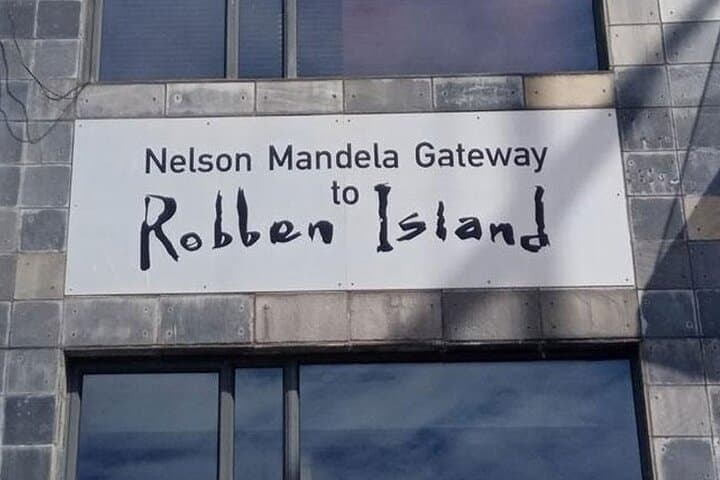
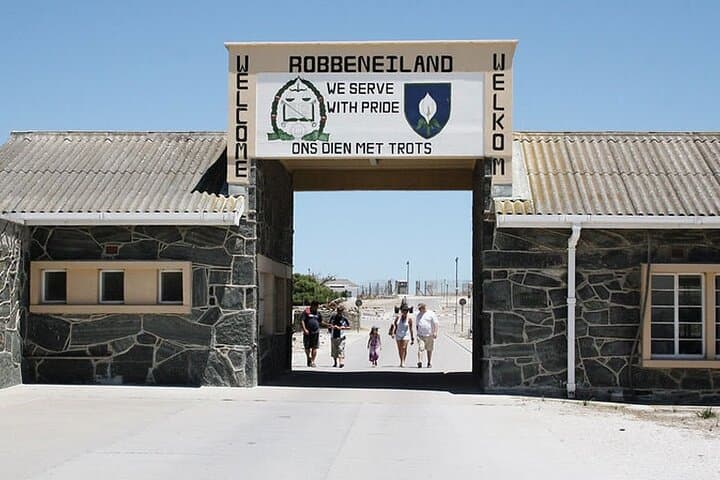
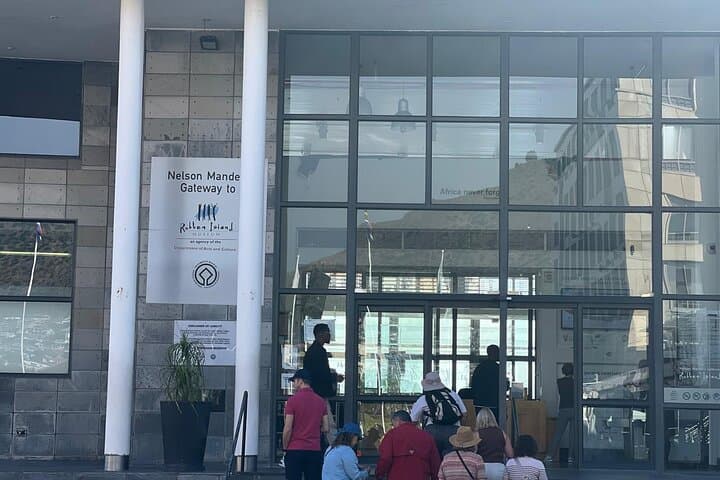
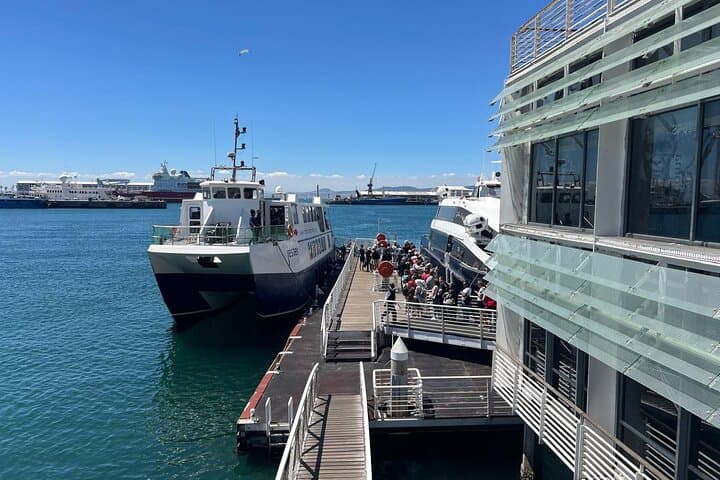
The ferry slips out of the V&A Waterfront and Cape Town’s skyline recedes: Table Mountain becomes a flat-topped guardian, salt wind cutting a clean line across Table Bay. In six hours you’ll cover paved harbour, open sea and a compact island whose stones keep loud stories — from a leper colony and a WWII fort to the cell that held Nelson Mandela.
The ferry slips out of the V&A Waterfront and Cape Town’s skyline recedes: Table Mountain becomes a flat-topped guardian, salt wind cutting a clean line across Table Bay. In six hours you’ll cover paved harbour, open sea and a compact island whose stones keep loud stories — from a leper colony and a WWII fort to the cell that held Nelson Mandela.
Robben Island’s history is blunt and public: a penal station through colonial times, later the high-security prison where Mandela and other anti-apartheid leaders were confined. Geologically the island is low, rocky and windswept — compact limestone and quarry scars where stone was once cut for mainland use. Cultural context arrives on the shore-side museum and from guides whose accounts blend personal recollection with archival detail.
Expect a brisk ferry crossing (rough seas are common), guided walks to the former prison complex, and time in the museum exhibits. The visit is as much about landscape as it is politics: the ocean and seabirds press around you like an audience, and fort ruins, signal posts and quarry terraces stitch human history into raw coastal geology.
Practicalities: tours run from the V&A Waterfront, include hotel pickup, and last about six hours door-to-door. Bring passport, layered clothing, sun protection and sea-sickness medication if you’re prone to motion sickness. Weather can close crossings — book with flexibility and check cancellations. For travelers who want a concise, thoughtful encounter with South Africa’s recent past, this half-day tour delivers direct access, clear interpretation and the kind of view that makes history physical.