THE ADVENTURE COLLECTIVE® · Independent discovery and booking for outdoor travel

Cross Table Bay to Robben Island for a compact, powerful history lesson and sweeping coastal views. This half-day ferry ticket covers the crossing, island museum and guided prison tour—plan for wind, ID checks and about four hours.
Cross Table Bay to Robben Island for a compact, powerful history lesson and sweeping coastal views. This half-day ferry ticket covers the crossing, island museum and guided prison tour—plan for wind, ID checks and about four hours.
You step onto a brisk Table Bay morning, wind pushing at your jacket as the ferry slips away from the V&A Waterfront. Table Mountain recedes, its flat crown watching, while salt-laced air and the slap of waves set the pace for the short crossing to Robben Island.
Verified experiences and guided adventures in the surrounding area.
Operated by Opulencevida & Tours · Cape Town, Western Cape
You step onto a brisk Table Bay morning, wind pushing at your jacket as the ferry slips away from the V&A Waterfront. Table Mountain recedes, its flat crown watching, while salt-laced air and the slap of waves set the pace for the short crossing to Robben Island.
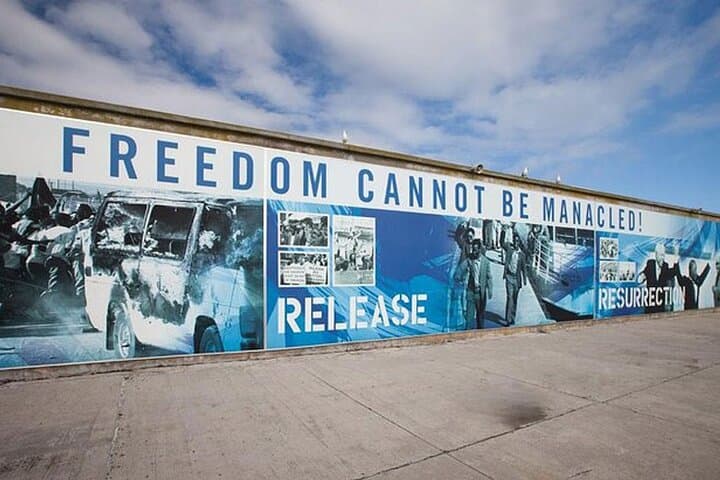
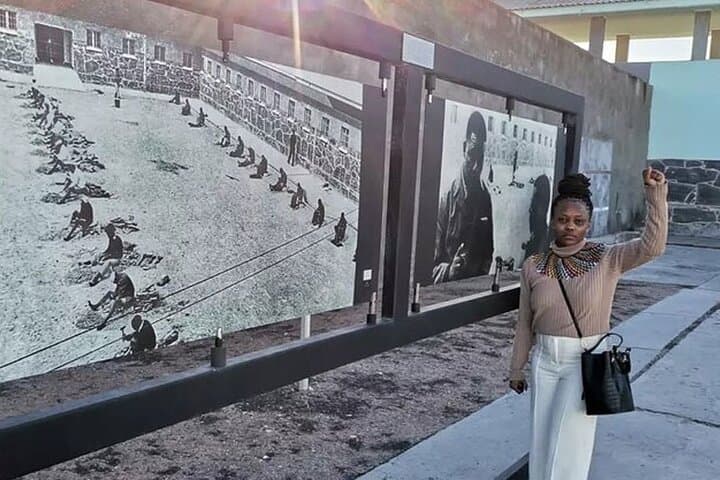
Arriving onshore, the island’s low profile and weathered buildings feel like a stage for heavy history. The guided circuit leads past the museum, former naval fortifications and the prison compound where Nelson Mandela and other anti-apartheid activists were held. Geology here is simple — wind-sculpted limestone and basalt outcrops — but the cultural layers run deep: colonial defenses, a leper cemetery, and a 20th-century political penitentiary that helped shape modern South Africa.
Guides combine first-hand narratives with broader context: apartheid-era policy, the island’s role as a naval base, and its recognition as a UNESCO World Heritage Site. Birds and seals often punctuate the visit; gulls wheel like impatient historians.
Practical notes: the standard visit is about four hours including ferry time; available slots are typically 08:00, 10:00, 13:00 and 14:00. Bring your passport — international ID is required — and dress in windproof layers; seas can be choppy. The walk involves uneven surfaces and some steps but no technical climbing. Photography is allowed in public areas but respect restricted zones and the solemn nature of the prison site. If you have heart conditions or severe mobility limits, consider accessibility options or consult operators in advance. Book in advance for peak season and arrive early for check-in to avoid missed sailings.
easy.
3–4 hours.
Light walking and standing; suitable for most fitness levels but expect some stairs and uneven surfaces
The full experience is about four hours including the ferry crossing; exact time on-island varies with the scheduled slot.
Yes—international visitors must present passport details and the original document at check-in to board the ferry.
Some areas are accessible but parts of the prison compound have steps and uneven ground; contact the operator ahead to confirm accommodations and assistance options.
Photography is allowed in many outdoor and museum areas, but certain cells or memorial spaces may be restricted—follow guide instructions on-site.
Robben Island served as a prison for political detainees during apartheid—Nelson Mandela was incarcerated here for 18 of his 27 years in prison—and is now a UNESCO World Heritage Site.
The island’s heritage status drives conservation of cultural sites and coastal ecosystems; visitor numbers are managed to limit erosion and wildlife disturbance.
Opulencevida & Tours operates guided outdoor trips and adventures with an emphasis on safety, stewardship, and memorable experiences.
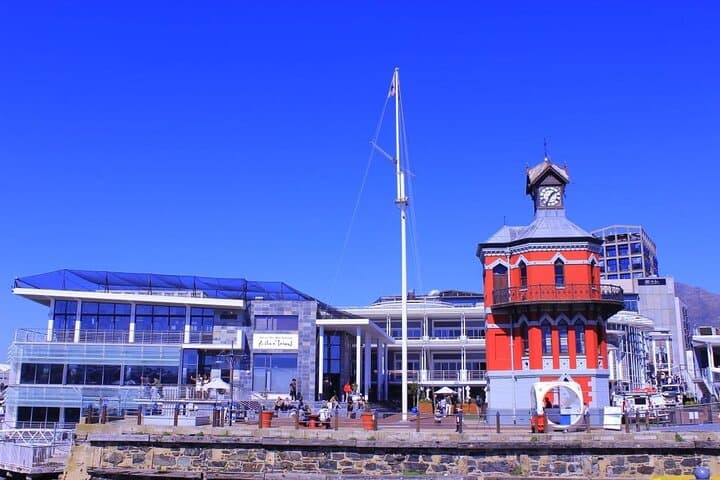
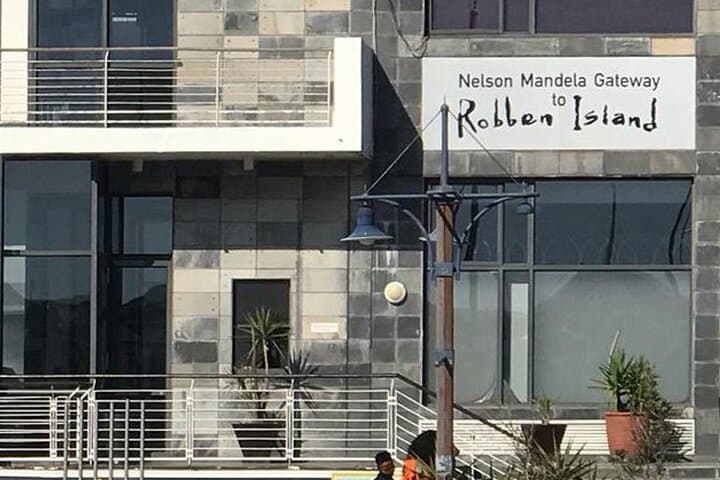
You step onto a brisk Table Bay morning, wind pushing at your jacket as the ferry slips away from the V&A Waterfront. Table Mountain recedes, its flat crown watching, while salt-laced air and the slap of waves set the pace for the short crossing to Robben Island.
You step onto a brisk Table Bay morning, wind pushing at your jacket as the ferry slips away from the V&A Waterfront. Table Mountain recedes, its flat crown watching, while salt-laced air and the slap of waves set the pace for the short crossing to Robben Island.
Arriving onshore, the island’s low profile and weathered buildings feel like a stage for heavy history. The guided circuit leads past the museum, former naval fortifications and the prison compound where Nelson Mandela and other anti-apartheid activists were held. Geology here is simple — wind-sculpted limestone and basalt outcrops — but the cultural layers run deep: colonial defenses, a leper cemetery, and a 20th-century political penitentiary that helped shape modern South Africa.
Guides combine first-hand narratives with broader context: apartheid-era policy, the island’s role as a naval base, and its recognition as a UNESCO World Heritage Site. Birds and seals often punctuate the visit; gulls wheel like impatient historians.
Practical notes: the standard visit is about four hours including ferry time; available slots are typically 08:00, 10:00, 13:00 and 14:00. Bring your passport — international ID is required — and dress in windproof layers; seas can be choppy. The walk involves uneven surfaces and some steps but no technical climbing. Photography is allowed in public areas but respect restricted zones and the solemn nature of the prison site. If you have heart conditions or severe mobility limits, consider accessibility options or consult operators in advance. Book in advance for peak season and arrive early for check-in to avoid missed sailings.