THE ADVENTURE COLLECTIVE® · Independent discovery and booking for outdoor travel

Cross Table Bay to Robben Island for a guided visit to the former political prison, then wander the vivid streets of Bo-Kaap to experience Cape Malay culture. This half-day tour blends powerful history with vibrant local life, all within a five-hour window.
Cross Table Bay to Robben Island for a guided visit to the former political prison, then wander the vivid streets of Bo-Kaap to experience Cape Malay culture. This half-day tour blends powerful history with vibrant local life, all within a five-hour window.
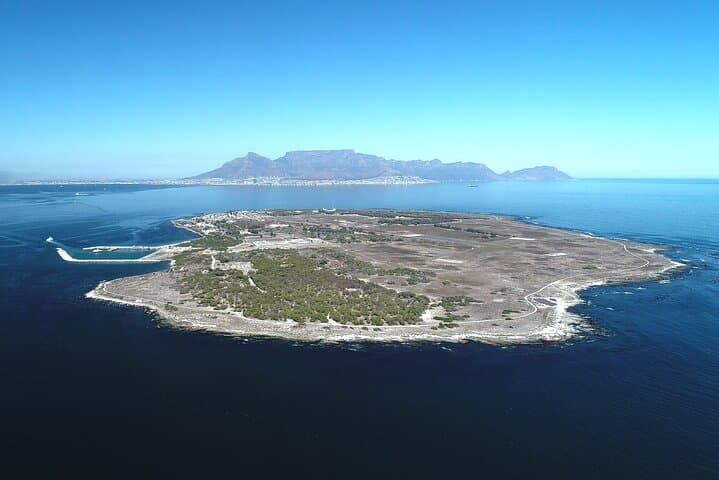
A brisk Cape Town breeze cuts across the harbor as the ferry pushes away from Victoria & Alfred Waterfront, the city shrinking on the horizon and Robben Island growing—grey stone, scrub, and wind-bent angles—before you.
Verified experiences and guided adventures in the surrounding area.
Operated by Venture & Transport · Cape Town, Western Cape
A brisk Cape Town breeze cuts across the harbor as the ferry pushes away from Victoria & Alfred Waterfront, the city shrinking on the horizon and Robben Island growing—grey stone, scrub, and wind-bent angles—before you.
On Robben Island, the landscape speaks plainly: low, hard rock and salt-swept grass that once contained a prison system central to South Africa’s 20th-century history. Guides—often former political prisoners—walk visitors through maximum-security cells and cramped yards, connecting personal stories to national struggle. The island’s geology is Cape granite and shale; from high points you get an unfiltered view of Table Bay and Cape Town’s shoreline, a visual reminder of how sea and stone shaped settlement and defense.
Back in the city, Bo-Kaap flips that austerity into color. Narrow streets and small mosques reflect Cape Malay culture, with spice shops, Cape Dutch facades, and painted row houses that mark a neighbourhood rebuilt by community memory and culinary tradition. Expect the scent of curry, the echo of children playing, and the sight of photogenic facades that reward a slow stroll rather than a rushed photo stop.
Practical guidance: allow five hours, dress in layers for changeable wind and sun, and bring a passport for ferry boarding. The ferry includes commentary and timed museum access—check tide and ferry schedules in advance. Tours are accessible but involve walking on uneven surfaces on the island; plan for sturdy footwear, hydration, and respect for interpretive spaces where silence and listening matter.
easy.
5 hours.
Suitable for most fitness levels; participants should be able to board a ferry and walk short distances over uneven ground.
Yes; a passport or government-issued photo ID is required for ferry boarding and security checks.
Many areas are accessible and the operator lists wheelchair accessibility, but some historic buildings and terrain on Robben Island have limited access—notify operator of needs in advance.
The ferry takes approximately 30–45 minutes each way depending on sea conditions; expect additional time for embarkation and disembarkation.
Robben Island tours commonly include commentary from former political prisoners or guides trained in the island’s history; staffing can vary by departure.
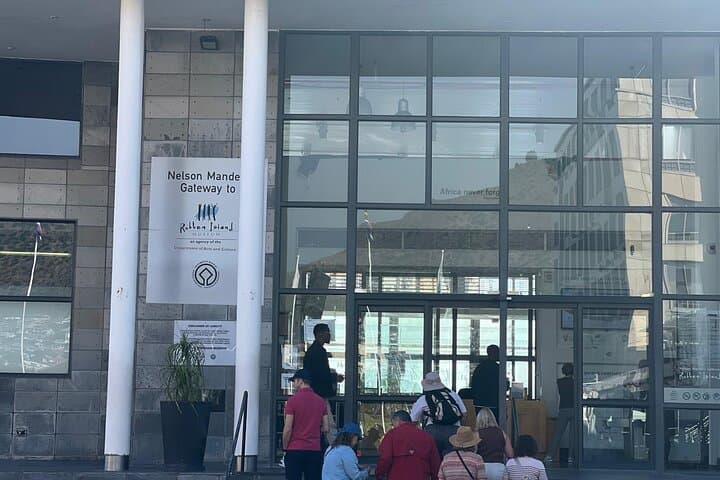
Robben Island served as a prison for political detainees during apartheid, most famously holding Nelson Mandela; it is a UNESCO World Heritage Site because of its role in South Africa’s history.
The island’s ecology is fragile—stay on designated paths, avoid disturbing bird colonies, and support local conservation and community tourism initiatives.
Venture & Transport operates guided outdoor trips and adventures with an emphasis on safety, stewardship, and memorable experiences.


A brisk Cape Town breeze cuts across the harbor as the ferry pushes away from Victoria & Alfred Waterfront, the city shrinking on the horizon and Robben Island growing—grey stone, scrub, and wind-bent angles—before you.
A brisk Cape Town breeze cuts across the harbor as the ferry pushes away from Victoria & Alfred Waterfront, the city shrinking on the horizon and Robben Island growing—grey stone, scrub, and wind-bent angles—before you.
On Robben Island, the landscape speaks plainly: low, hard rock and salt-swept grass that once contained a prison system central to South Africa’s 20th-century history. Guides—often former political prisoners—walk visitors through maximum-security cells and cramped yards, connecting personal stories to national struggle. The island’s geology is Cape granite and shale; from high points you get an unfiltered view of Table Bay and Cape Town’s shoreline, a visual reminder of how sea and stone shaped settlement and defense.
Back in the city, Bo-Kaap flips that austerity into color. Narrow streets and small mosques reflect Cape Malay culture, with spice shops, Cape Dutch facades, and painted row houses that mark a neighbourhood rebuilt by community memory and culinary tradition. Expect the scent of curry, the echo of children playing, and the sight of photogenic facades that reward a slow stroll rather than a rushed photo stop.
Practical guidance: allow five hours, dress in layers for changeable wind and sun, and bring a passport for ferry boarding. The ferry includes commentary and timed museum access—check tide and ferry schedules in advance. Tours are accessible but involve walking on uneven surfaces on the island; plan for sturdy footwear, hydration, and respect for interpretive spaces where silence and listening matter.