THE ADVENTURE COLLECTIVE® · Independent discovery and booking for outdoor travel

See Rio’s two great viewpoints in a single half‑day: the Corcovado summit with Christ the Redeemer and the cable car to Sugarloaf. A private vehicle and guide move you efficiently between dramatic vistas and local color.
See Rio’s two great viewpoints in a single half‑day: the Corcovado summit with Christ the Redeemer and the cable car to Sugarloaf. A private vehicle and guide move you efficiently between dramatic vistas and local color.
You arrive into the city with the ocean striking the shore like a moving edge; within an hour your private driver threads coastal avenues and climbs into the green of Tijuca, the forest pushing back the city’s noise.
Verified experiences and guided adventures in the surrounding area.
Operated by BE FREE TRANSPORTADORA TURISTICA · Rio de Janeiro, Rio de Janeiro
You arrive into the city with the ocean striking the shore like a moving edge; within an hour your private driver threads coastal avenues and climbs into the green of Tijuca, the forest pushing back the city’s noise.
The Corcovado cog train winds through dense Atlantic Forest to the base of the 710‑meter summit where Christ the Redeemer stands—its arms framing Guanabara Bay and the jagged outcrops that shaped Rio’s coastline. Later, the Sugarloaf cable car lifts you from Urca across granite walls rounded by millions of years of erosion; the peak at roughly 396 meters gives a different vantage—Copacabana’s curve, islands speckling the bay, and the city laid out like a living map.
Built in the early 20th century, both landmarks speak to Brazil’s mix of Catholic heritage, engineering ambition and tourism growth. Geology here is immediate: hard granite towers carved by sea and time, draped in pockets of resilient forest. Culturally, Carioca rhythms and beach culture hum below; market stalls and kiosks by the water make good stops after viewpoints.
Practical guidance: this private, air‑conditioned half‑day runs about five hours. Admissions for the train and cable car are typically not included—bring local currency or card and reserve early to avoid lines. Wear comfortable shoes for short paved climbs, sun protection, and a light layer for breezy summits. If you’re staying in Barra or Recreio, start early to dodge traffic and make the most of clear morning light.
easy.
5 hours.
Suitable for most fitness levels; involves short paved walks and stairs at viewpoints
No—this express private tour typically does not include the official train or cable‑car admissions, so plan to buy tickets separately or confirm inclusion when booking.
The tour runs about five hours total, including transfers, short walks, and viewpoint time—plan for half a day.
Many areas and transportation options are wheelchair accessible, but check specific train or cable‑car boarding assistance in advance for seamless access.
Yes—pick‑up and drop‑off in Rio are included; if you’re in Barra or Recreio an early 6:30 AM start is recommended to avoid traffic.
Christ the Redeemer was completed in 1931 and became an international symbol of Rio; Sugarloaf’s cable car dates to the early 20th century and helped open the city’s coastal peaks to visitors.
Tijuca is a reclaimed Atlantic Forest—stay on paths to protect native plants and avoid feeding wildlife; support local guides and small vendors to keep tourism benefits local.
BE FREE TRANSPORTADORA TURISTICA operates guided outdoor trips and adventures with an emphasis on safety, stewardship, and memorable experiences.

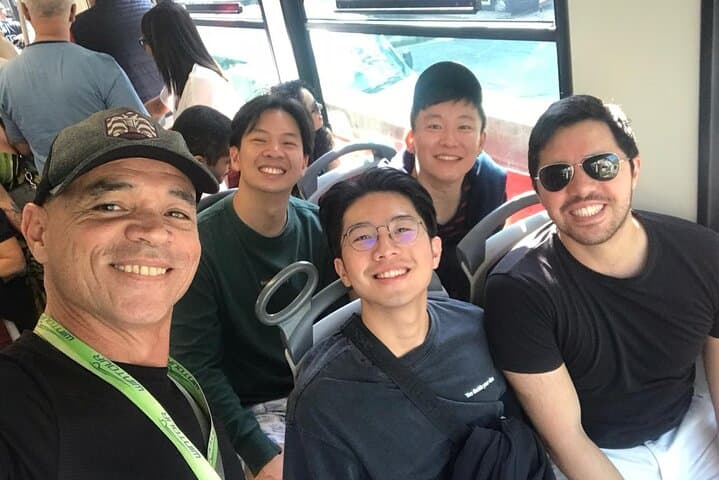

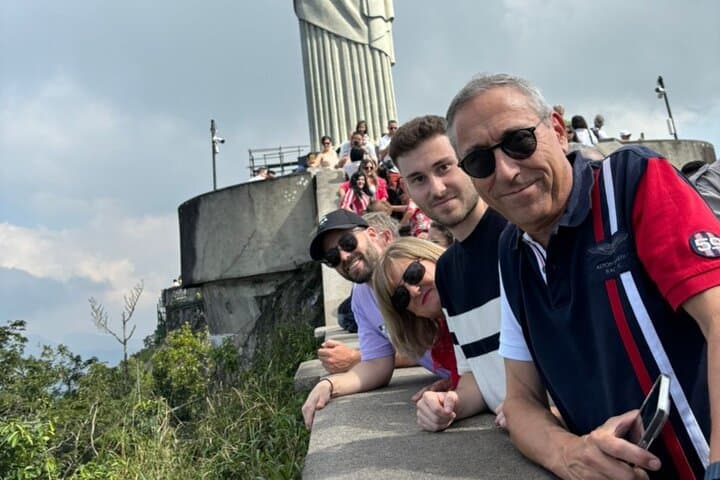
You arrive into the city with the ocean striking the shore like a moving edge; within an hour your private driver threads coastal avenues and climbs into the green of Tijuca, the forest pushing back the city’s noise.
You arrive into the city with the ocean striking the shore like a moving edge; within an hour your private driver threads coastal avenues and climbs into the green of Tijuca, the forest pushing back the city’s noise.
The Corcovado cog train winds through dense Atlantic Forest to the base of the 710‑meter summit where Christ the Redeemer stands—its arms framing Guanabara Bay and the jagged outcrops that shaped Rio’s coastline. Later, the Sugarloaf cable car lifts you from Urca across granite walls rounded by millions of years of erosion; the peak at roughly 396 meters gives a different vantage—Copacabana’s curve, islands speckling the bay, and the city laid out like a living map.
Built in the early 20th century, both landmarks speak to Brazil’s mix of Catholic heritage, engineering ambition and tourism growth. Geology here is immediate: hard granite towers carved by sea and time, draped in pockets of resilient forest. Culturally, Carioca rhythms and beach culture hum below; market stalls and kiosks by the water make good stops after viewpoints.
Practical guidance: this private, air‑conditioned half‑day runs about five hours. Admissions for the train and cable car are typically not included—bring local currency or card and reserve early to avoid lines. Wear comfortable shoes for short paved climbs, sun protection, and a light layer for breezy summits. If you’re staying in Barra or Recreio, start early to dodge traffic and make the most of clear morning light.