THE ADVENTURE COLLECTIVE® · Independent discovery and booking for outdoor travel

Spend a reflective half-day walking across the tidal labyrinth of Ria Formosa, where dunes, saltmarsh and lagoons support flamingos, chameleons and a living coastal culture. This easy, guided 6 km route combines focused birdwatching with short exhibits at the park headquarters.
Spend a reflective half-day walking across the tidal labyrinth of Ria Formosa, where dunes, saltmarsh and lagoons support flamingos, chameleons and a living coastal culture. This easy, guided 6 km route combines focused birdwatching with short exhibits at the park headquarters.
A salt-scented wind meets your face as the group sets off from the outskirts of Olhão onto flat paths that thread through pine scrub, dunes and broad tidal channels. The Ria Formosa’s lagoons stretch like shallow mirrors, and mudflats pulse with wading birds; a guide points out a distant flash of pink — a flock of flamingos probing the shallows.
Verified experiences and guided adventures in the surrounding area.
Operated by PerNatur - Nature Trails · Olhão, Faro
A salt-scented wind meets your face as the group sets off from the outskirts of Olhão onto flat paths that thread through pine scrub, dunes and broad tidal channels. The Ria Formosa’s lagoons stretch like shallow mirrors, and mudflats pulse with wading birds; a guide points out a distant flash of pink — a flock of flamingos probing the shallows.
Geologically recent, the Ria Formosa is a barrier-lagoon system carved by shifting sands and tides over millennia. Its mosaic of marsh, dune, pine and saltpan has sustained fishing, salt extraction and small coastal settlements for generations; local culture still orients around shellfish and tidal schedules. The park is a designated protected area and recognized under Ramsar for its importance to migratory birds.
On this easy half-day walk (about 6 km, mostly level), expect focused wildlife viewing with provided optics and a naturalist guide who narrates species, habitat function and human history. You’ll pass intertidal channels where fiddler crabs and waders forage, cross maritime pine stands, and visit the Nature Park exhibition at Quinta de Marim.
Practical: wear sturdy walking shoes, bring a refillable water bottle and sun protection, and plan for coastal wind that can make mornings chilly even in summer. The route is not technical but requires attention on sandy stretches and boardwalks. Groups are small and pickups from Olhão are usually included, making this an accessible introduction to one of Portugal’s most dynamic coastal ecosystems.
easy.
3–4 hours.
Suitable for most fitness levels; requires steady walking ability over sandy and flat terrain for up to 6 km.
Yes — the route is flat and non-technical; families and older walkers who can manage 6 km on level ground will generally be comfortable.
Yes — the tour includes binoculars and a telescope for close-up wildlife viewing, though many guests bring personal binoculars as well.
Meeting points include Olhão’s Aldi car park and the train station; pickup from Olhão-area accommodation is commonly offered in the tour inclusions.
Expect waders, gulls, terns and often flamingos; guides also point out small reptiles such as the Mediterranean chameleon, plus dragonflies and crustaceans.
Ria Formosa formed over the last several thousand years as barrier islands and tidal channels shifted; local communities have long depended on salt extraction, shellfish beds and small-scale fishing.
The Ria Formosa is a legally protected natural park and Ramsar site; visitors should stick to paths, avoid disturbing birds and use marked viewing areas to minimize impact.
PerNatur - Nature Trails operates guided outdoor trips and adventures with an emphasis on safety, stewardship, and memorable experiences.
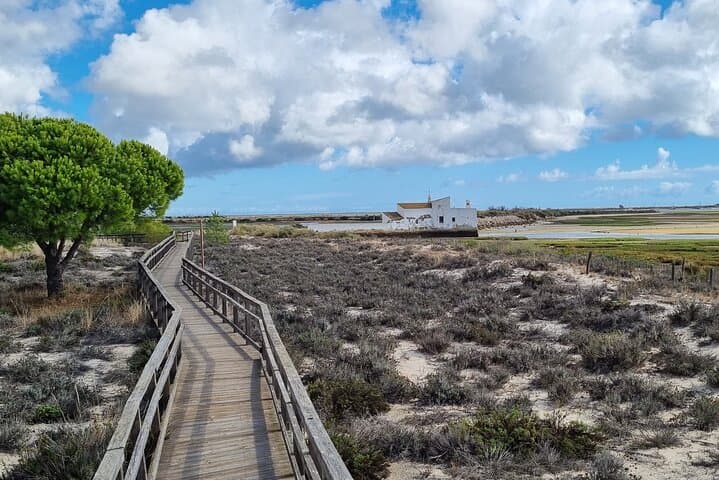
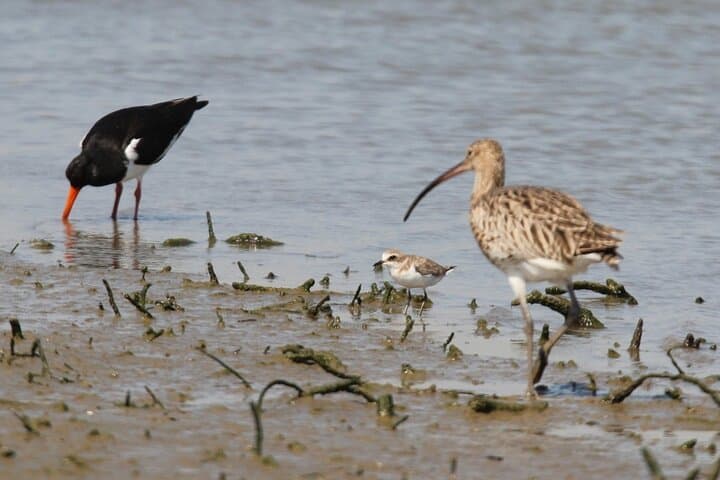
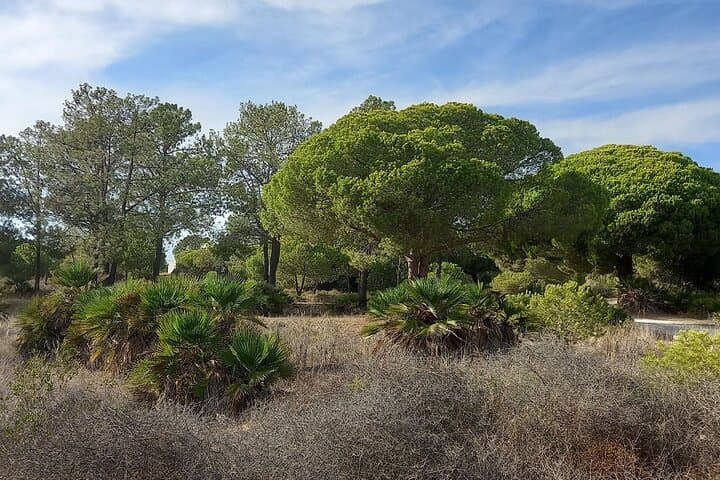
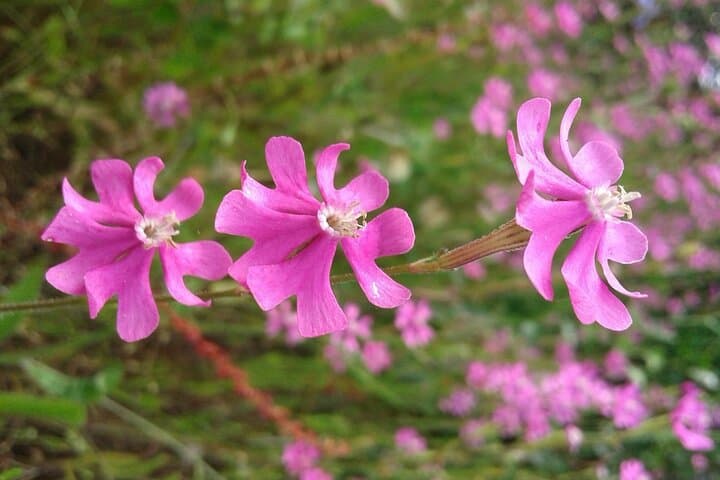
A salt-scented wind meets your face as the group sets off from the outskirts of Olhão onto flat paths that thread through pine scrub, dunes and broad tidal channels. The Ria Formosa’s lagoons stretch like shallow mirrors, and mudflats pulse with wading birds; a guide points out a distant flash of pink — a flock of flamingos probing the shallows.
A salt-scented wind meets your face as the group sets off from the outskirts of Olhão onto flat paths that thread through pine scrub, dunes and broad tidal channels. The Ria Formosa’s lagoons stretch like shallow mirrors, and mudflats pulse with wading birds; a guide points out a distant flash of pink — a flock of flamingos probing the shallows.
Geologically recent, the Ria Formosa is a barrier-lagoon system carved by shifting sands and tides over millennia. Its mosaic of marsh, dune, pine and saltpan has sustained fishing, salt extraction and small coastal settlements for generations; local culture still orients around shellfish and tidal schedules. The park is a designated protected area and recognized under Ramsar for its importance to migratory birds.
On this easy half-day walk (about 6 km, mostly level), expect focused wildlife viewing with provided optics and a naturalist guide who narrates species, habitat function and human history. You’ll pass intertidal channels where fiddler crabs and waders forage, cross maritime pine stands, and visit the Nature Park exhibition at Quinta de Marim.
Practical: wear sturdy walking shoes, bring a refillable water bottle and sun protection, and plan for coastal wind that can make mornings chilly even in summer. The route is not technical but requires attention on sandy stretches and boardwalks. Groups are small and pickups from Olhão are usually included, making this an accessible introduction to one of Portugal’s most dynamic coastal ecosystems.