THE ADVENTURE COLLECTIVE® · Independent discovery and booking for outdoor travel

Explore the Belize Barrier Reef on a relaxed half‑day snorkel with local, fourth‑generation fishermen. Expect patch‑reef snorkeling, lagoon wildlife like manatees and crocodiles, and local stories that bring the sea to life.
Explore the Belize Barrier Reef on a relaxed half‑day snorkel with local, fourth‑generation fishermen. Expect patch‑reef snorkeling, lagoon wildlife like manatees and crocodiles, and local stories that bring the sea to life.
The motor hum drops as the shoreline of Dangriga recedes and the sea opens into a ribbon of blue-green — the Belize Barrier Reef daring you to come closer.
Verified experiences and guided adventures in the surrounding area.
Operated by Tobacco Caye Adventures · Dangriga, Stann Creek District
The motor hum drops as the shoreline of Dangriga recedes and the sea opens into a ribbon of blue-green — the Belize Barrier Reef daring you to come closer.
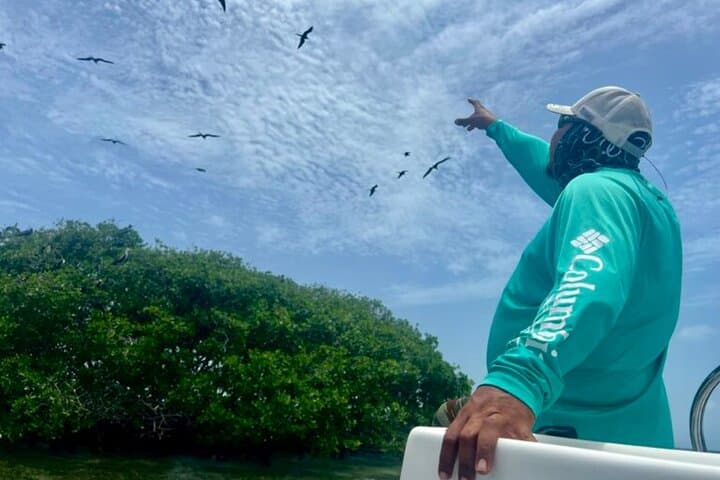
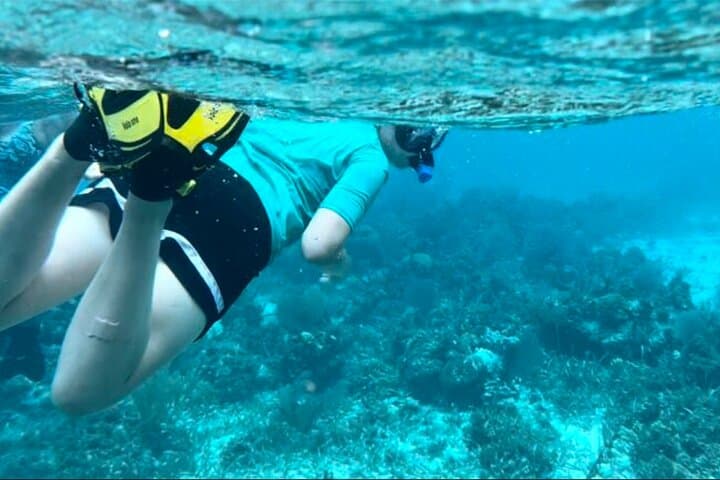
Capt. Nolan and Noble, fourth‑generation fishermen, move with that local confidence: they know the currents, the channels to quiet lagoons, and where turtles like to graze. On this half‑day tour you’ll slip into water that shifts from shallow, fish‑studded patch reefs (the locally known “aquarium” seven miles south) to a deeper fore‑reef if the weather allows. Mangrove lagoons bristle at the edges, where crocodiles sometimes watch from the roots and manatees push slow and curious through seagrass.
Geologically the barrier reef is the western hemisphere’s largest coral formation after the Great Barrier Reef — a living structure of coral colonies and spur-and-groove formations that shelter parrotfish, angelfish and the occasional dolphin. Culturally, Dangriga is Garifuna country: generations of fishermen and sea-stewards who combine oral navigation knowledge with practical conservation.
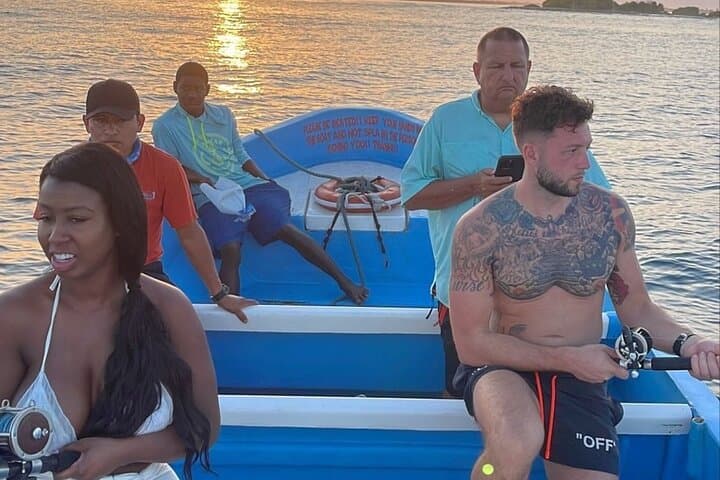
Practically, expect 3–3.5 hours aboard a small boat with two guides in the water for safety, fresh ceviche and water refills, and a relaxed pace that prioritizes wildlife viewing over a checklist. Visibility can be excellent on calm mornings; wind and swell will push you to the leeward side of the reef. Wear a snug mask, reef‑safe sunscreen, and a flotation device if you’re not a strong swimmer. Listen to the guides — they read tides and animal behavior — and you’ll leave with better snorkel skills and a deeper respect for an active reef system.
moderate.
3–3.5 hours.
Moderate fitness — able to swim short distances, enter/exit a small boat, and snorkel for 20–40 minute intervals.
Yes — the team accommodates families; infants should sit on laps and children should be confident in shallow water or wear a vest.
Wildlife sightings are common but not guaranteed; manatees and crocodiles are seen in lagoons, and dolphins are occasional visitors.
Guides choose protected inside‑reef stops when conditions dictate; trips can be canceled for safety with full refund if weather is poor.
No — Belize water is warm year‑round; a shortie or rashguard suffices for sun protection and minor chill in early mornings.
Dangriga is a Garifuna cultural center; local fishermen pass down seamanship and reef knowledge through generations, informing modern tour practices.
The Belize Barrier Reef is a protected UNESCO site; operators encourage reef‑safe sunscreen, no‑touch snorkeling, and support local conservation initiatives.
Tobacco Caye Adventures operates guided outdoor trips and adventures with an emphasis on safety, stewardship, and memorable experiences.
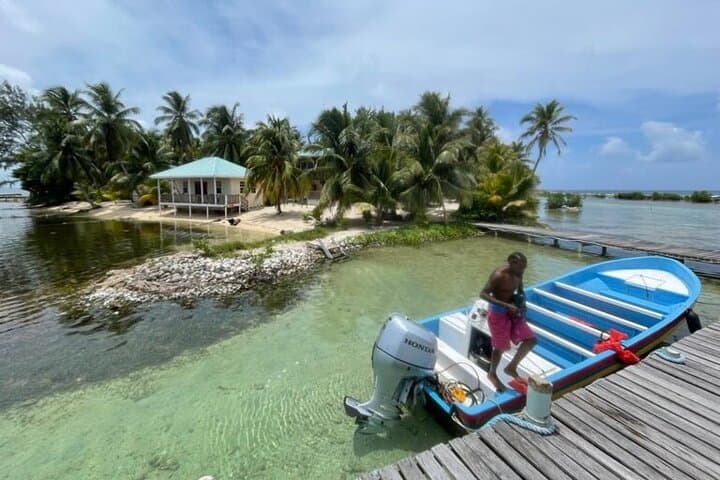
The motor hum drops as the shoreline of Dangriga recedes and the sea opens into a ribbon of blue-green — the Belize Barrier Reef daring you to come closer.
The motor hum drops as the shoreline of Dangriga recedes and the sea opens into a ribbon of blue-green — the Belize Barrier Reef daring you to come closer.
Capt. Nolan and Noble, fourth‑generation fishermen, move with that local confidence: they know the currents, the channels to quiet lagoons, and where turtles like to graze. On this half‑day tour you’ll slip into water that shifts from shallow, fish‑studded patch reefs (the locally known “aquarium” seven miles south) to a deeper fore‑reef if the weather allows. Mangrove lagoons bristle at the edges, where crocodiles sometimes watch from the roots and manatees push slow and curious through seagrass.
Geologically the barrier reef is the western hemisphere’s largest coral formation after the Great Barrier Reef — a living structure of coral colonies and spur-and-groove formations that shelter parrotfish, angelfish and the occasional dolphin. Culturally, Dangriga is Garifuna country: generations of fishermen and sea-stewards who combine oral navigation knowledge with practical conservation.
Practically, expect 3–3.5 hours aboard a small boat with two guides in the water for safety, fresh ceviche and water refills, and a relaxed pace that prioritizes wildlife viewing over a checklist. Visibility can be excellent on calm mornings; wind and swell will push you to the leeward side of the reef. Wear a snug mask, reef‑safe sunscreen, and a flotation device if you’re not a strong swimmer. Listen to the guides — they read tides and animal behavior — and you’ll leave with better snorkel skills and a deeper respect for an active reef system.