THE ADVENTURE COLLECTIVE® · Independent discovery and booking for outdoor travel

Throttle up for a half-day quad ride from Cusco that links the deep circular terraces of Moray with the salt ponds of Maras. Expect high-Andes vistas, rough dirt tracks, and cultural stops with practical guidance for acclimatization and safety.
Throttle up for a half-day quad ride from Cusco that links the deep circular terraces of Moray with the salt ponds of Maras. Expect high-Andes vistas, rough dirt tracks, and cultural stops with practical guidance for acclimatization and safety.
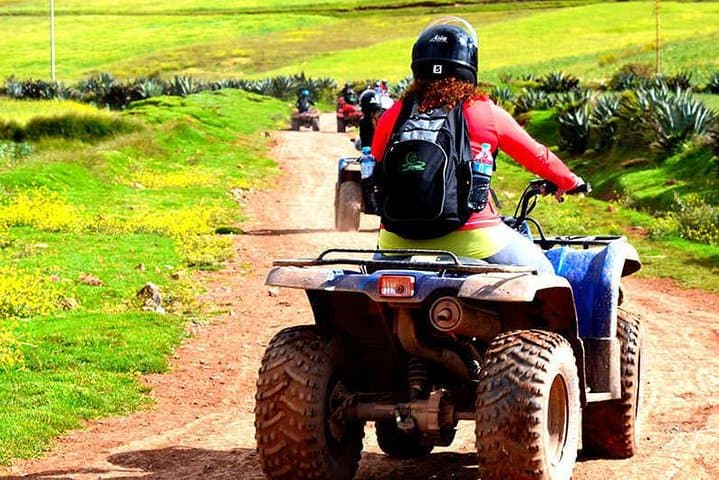
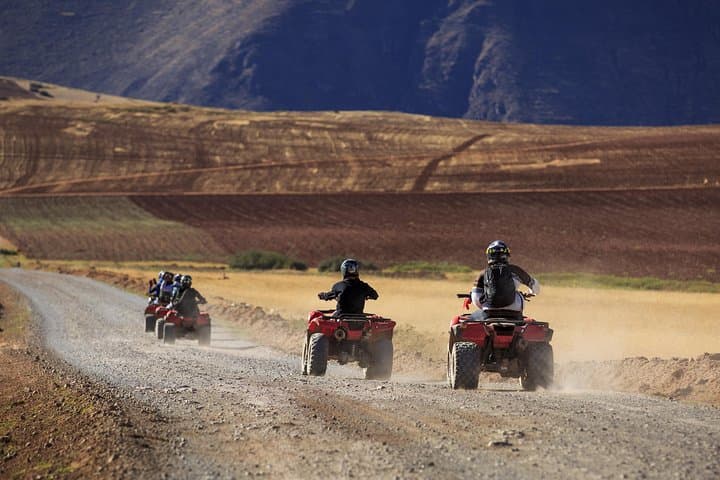
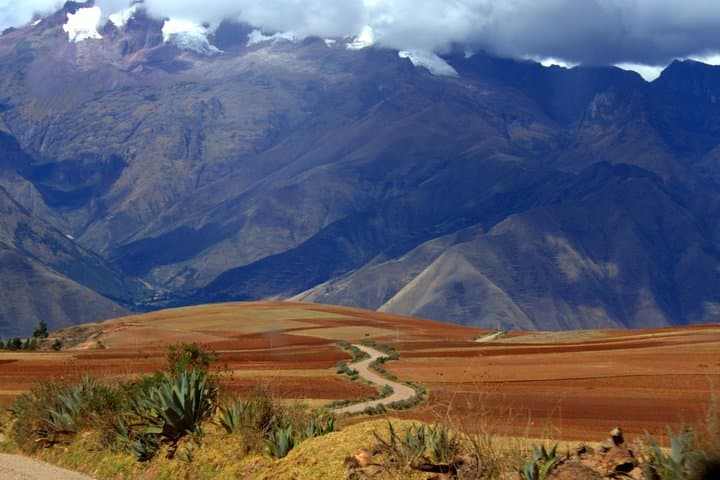
The engine thumps beneath you and the high-Andes air pulls at your face as the trail leaves the paved road; puna grasses lean like a chorus, and the valley opens toward white-capped peaks. This half-day quad-biking route threads between agricultural terraces, the stepped bowls of Moray, and the geometric honeycomb of the Maras salt ponds, delivering raw mountain scenery at a brisk, tactile pace.
Verified experiences and guided adventures in the surrounding area.
Operated by PVTravels · Cusco, Cusco
The engine thumps beneath you and the high-Andes air pulls at your face as the trail leaves the paved road; puna grasses lean like a chorus, and the valley opens toward white-capped peaks. This half-day quad-biking route threads between agricultural terraces, the stepped bowls of Moray, and the geometric honeycomb of the Maras salt ponds, delivering raw mountain scenery at a brisk, tactile pace.
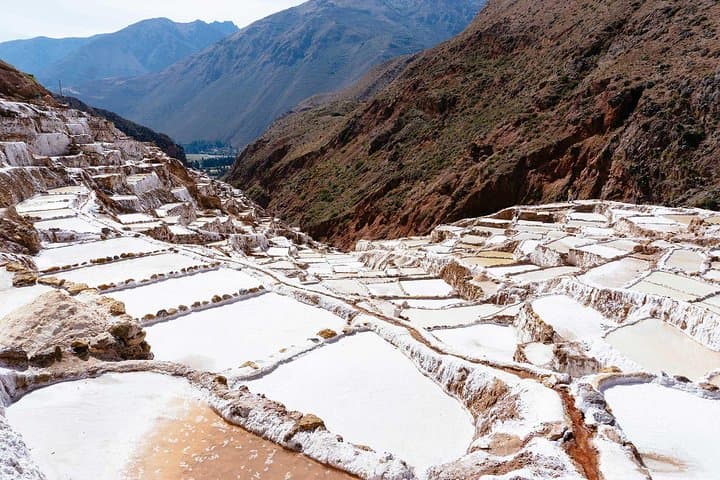
Moray’s concentric terraces are an archaeological curiosity—Inca-era agricultural laboratories that exploit microclimates created by depth and aspect. Nearby, the salineras of Maras cascade in narrow evaporation pools, a salt-harvesting system that predates Spanish arrival and still links families to ancestral water rights. Geology here is straightforward: uplifted volcanic rock sculpted by glacial and fluvial forces, with soils thin and wind-battered at higher elevations.
Culturally the route crosses Quechua-speaking communities and working fields where potatoes and quinoa are still tended using traditional techniques. Guides typically stop at viewpoints and explain irrigation remnants you’ll pass.
Practical guidance: the ride is suitable for riders with little prior ATV experience but requires steady balance and reaction to loose gravel. Expect rough, uneven dirt tracks and short climbs—helmets and gloves are standard, but bring a light wind shell, sun protection, and water. Arrive acclimatized to avoid altitude effects; aim for morning departures for clearer skies and firmer trails. Respect local custom at Maras and Moray—stay on designated paths and support local vendors when possible.
moderate.
3–4 hours.
Moderate fitness—able to handle short bursts of physical control, core stability for rough terrain, and some standing on footpegs if needed.
No prior experience is required; guides provide instruction and the route suits beginners who have basic balance and coordination.
Not typically—entrance fees for archaeological sites and the salt ponds are usually paid locally unless a tour explicitly states otherwise.
Possibly—both sites sit above 3,000 m. Allow time to acclimatize in Cusco or the Sacred Valley and stay hydrated; the tour isn’t recommended for those with serious cardiovascular issues.
Shared tours usually carry up to 15 riders with hotel pickup in Cusco; check your booking for exact pickup details.
The Maras salt pans have been harvested since pre-Columbian times and Moray’s circular terraces are believed to be Inca microclimate experiments for crop diversification.
Soils and irrigation channels are fragile—stick to marked routes, avoid trampling terraces, and respect local water management practices.
PVTravels operates guided outdoor trips and adventures with an emphasis on safety, stewardship, and memorable experiences.
The engine thumps beneath you and the high-Andes air pulls at your face as the trail leaves the paved road; puna grasses lean like a chorus, and the valley opens toward white-capped peaks. This half-day quad-biking route threads between agricultural terraces, the stepped bowls of Moray, and the geometric honeycomb of the Maras salt ponds, delivering raw mountain scenery at a brisk, tactile pace.
The engine thumps beneath you and the high-Andes air pulls at your face as the trail leaves the paved road; puna grasses lean like a chorus, and the valley opens toward white-capped peaks. This half-day quad-biking route threads between agricultural terraces, the stepped bowls of Moray, and the geometric honeycomb of the Maras salt ponds, delivering raw mountain scenery at a brisk, tactile pace.
Moray’s concentric terraces are an archaeological curiosity—Inca-era agricultural laboratories that exploit microclimates created by depth and aspect. Nearby, the salineras of Maras cascade in narrow evaporation pools, a salt-harvesting system that predates Spanish arrival and still links families to ancestral water rights. Geology here is straightforward: uplifted volcanic rock sculpted by glacial and fluvial forces, with soils thin and wind-battered at higher elevations.
Culturally the route crosses Quechua-speaking communities and working fields where potatoes and quinoa are still tended using traditional techniques. Guides typically stop at viewpoints and explain irrigation remnants you’ll pass.
Practical guidance: the ride is suitable for riders with little prior ATV experience but requires steady balance and reaction to loose gravel. Expect rough, uneven dirt tracks and short climbs—helmets and gloves are standard, but bring a light wind shell, sun protection, and water. Arrive acclimatized to avoid altitude effects; aim for morning departures for clearer skies and firmer trails. Respect local custom at Maras and Moray—stay on designated paths and support local vendors when possible.