THE ADVENTURE COLLECTIVE® · Independent discovery and booking for outdoor travel

Scan the stone faces of the Great Pyramid, feel the Sphinx’s guarded presence, and sample a short camel safari across the Giza sands — all in a managed half-day tour from Cairo. Practical tips and what to expect for first-time visitors.
Scan the stone faces of the Great Pyramid, feel the Sphinx’s guarded presence, and sample a short camel safari across the Giza sands — all in a managed half-day tour from Cairo. Practical tips and what to expect for first-time visitors.
The morning light grazes limestone faces as you step onto the Giza Plateau: cooling stone underfoot, the air carrying distant traffic and the low, patient rumble of camels. In four hours this half-day loop moves fast — from the base of the Great Pyramid to the watchful gaze of the Sphinx, then out into the sand for a short camel safari that gives a new angle on the desert that cradles these monuments.
Verified experiences and guided adventures in the surrounding area.
Operated by Wagih Thabit · Giza, Cairo Governorate
The morning light grazes limestone faces as you step onto the Giza Plateau: cooling stone underfoot, the air carrying distant traffic and the low, patient rumble of camels. In four hours this half-day loop moves fast — from the base of the Great Pyramid to the watchful gaze of the Sphinx, then out into the sand for a short camel safari that gives a new angle on the desert that cradles these monuments.
These structures date to Egypt’s Old Kingdom: Khufu’s Great Pyramid (c. 2560 BCE) remains the largest, while the Sphinx is widely associated with Khafre. Geologically the plateau is a band of Eocene limestone, quarried over millennia to build the monuments and reveal tombs; the Solar Boat Museum nearby preserves one such engineered craft.
Culturally this site is a working landscape — tour guides, vendors, and camels are part of a long continuum of human activity around the necropolis. Expect lively bargaining at the edges, polished photo stops, and strict rules near fragile stones.
Practical guidance: wear closed-toe shoes for uneven flagstones and sand, carry sun protection and water, and allow time for traffic to and from central Cairo. Photography is generous in open areas but avoid touching carved surfaces and follow your Egyptologist guide for permitted access and safety. Camel rides are short and guided; confirm whether you’ll be led across sand or paused at panoramic viewpoints. Plan this for early morning or late afternoon to avoid peak heat and get the best light for photos.
easy.
4–5 hours.
Suitable for most fitness levels; requires short walks on uneven stone and sand and mounting a camel for a brief ride.
Camel rides on this half-day tour are short — typically 15–30 minutes — focused on photo viewpoints rather than long treks.
Yes, admission to the primary pyramid area and the Sphinx viewpoints are included as described by the tour; special interior entry to the Great Pyramid may require separate tickets.
Yes; the itinerary is rated physically easy and accessible, but consider sun exposure and short camel mounts for small children and guests with mobility issues.
Some areas and transport are wheelchair-accessible, but uneven terrain across the plateau limits access to certain viewpoints; confirm specifics with the operator during booking.
The Great Pyramid was built for Pharaoh Khufu around 2560 BCE; the Sphinx is commonly linked to Khafre’s funerary complex and has been a focus of archaeological conservation for centuries.
Heavy tourism stresses the limestone and surrounding desert; stick to marked paths, avoid touching masonry, and support licensed guides who follow preservation rules.
Wagih Thabit operates guided outdoor trips and adventures with an emphasis on safety, stewardship, and memorable experiences.
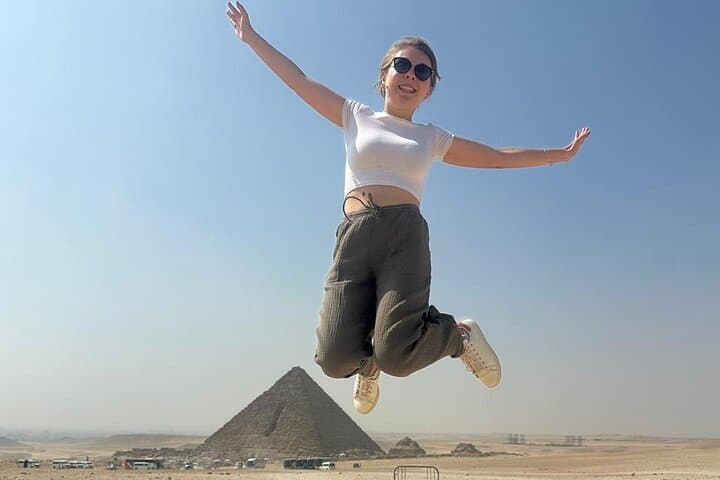
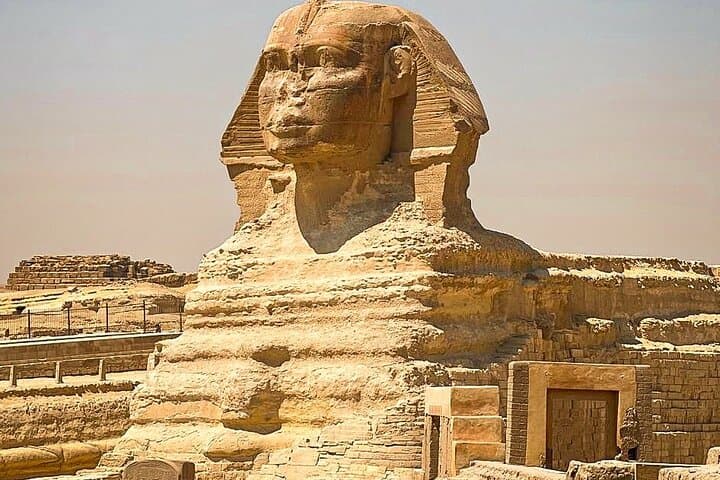
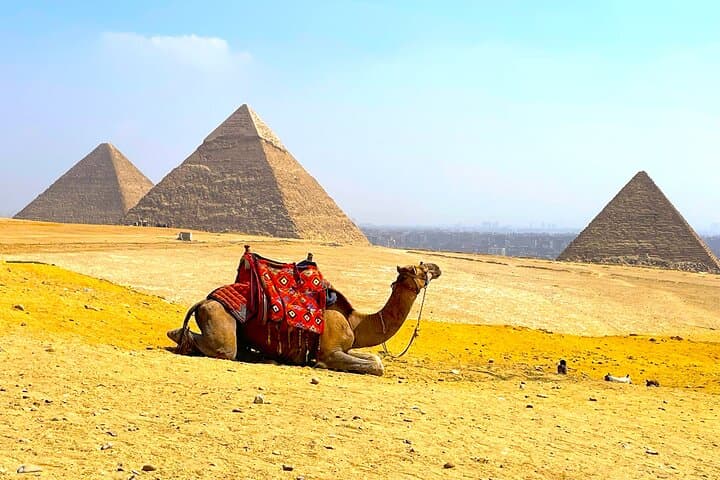
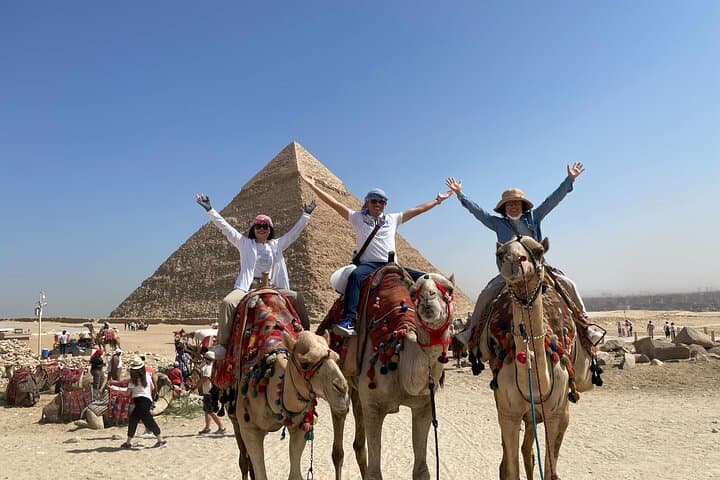
The morning light grazes limestone faces as you step onto the Giza Plateau: cooling stone underfoot, the air carrying distant traffic and the low, patient rumble of camels. In four hours this half-day loop moves fast — from the base of the Great Pyramid to the watchful gaze of the Sphinx, then out into the sand for a short camel safari that gives a new angle on the desert that cradles these monuments.
The morning light grazes limestone faces as you step onto the Giza Plateau: cooling stone underfoot, the air carrying distant traffic and the low, patient rumble of camels. In four hours this half-day loop moves fast — from the base of the Great Pyramid to the watchful gaze of the Sphinx, then out into the sand for a short camel safari that gives a new angle on the desert that cradles these monuments.
These structures date to Egypt’s Old Kingdom: Khufu’s Great Pyramid (c. 2560 BCE) remains the largest, while the Sphinx is widely associated with Khafre. Geologically the plateau is a band of Eocene limestone, quarried over millennia to build the monuments and reveal tombs; the Solar Boat Museum nearby preserves one such engineered craft.
Culturally this site is a working landscape — tour guides, vendors, and camels are part of a long continuum of human activity around the necropolis. Expect lively bargaining at the edges, polished photo stops, and strict rules near fragile stones.
Practical guidance: wear closed-toe shoes for uneven flagstones and sand, carry sun protection and water, and allow time for traffic to and from central Cairo. Photography is generous in open areas but avoid touching carved surfaces and follow your Egyptologist guide for permitted access and safety. Camel rides are short and guided; confirm whether you’ll be led across sand or paused at panoramic viewpoints. Plan this for early morning or late afternoon to avoid peak heat and get the best light for photos.