THE ADVENTURE COLLECTIVE® · Independent discovery and booking for outdoor travel

Spend five focused winter hours watching elk, bison and moose across the Jackson Hole valley with a private guide. Tours include park entrance, binoculars and warm drinks—ideal for first-time winter wildlife viewers who want guided context and comfort.
Spend five focused winter hours watching elk, bison and moose across the Jackson Hole valley with a private guide. Tours include park entrance, binoculars and warm drinks—ideal for first-time winter wildlife viewers who want guided context and comfort.
A low sun slices across the snowpacked valley as a guide scans the horizon through high-powered binoculars. The Teton skyline sits like a raw backbone above the powder, and the valley floor—wide, flat, and wind-sculpted—hosts slow-moving herds that own the winter light. Guests move quietly from viewpoint to roadside pullout; breath forms small clouds while coffee and hot chocolate ward off the cold.
Verified experiences and guided adventures in the surrounding area.
Operated by Yellowstone Safari Tours · Jackson, WY
A low sun slices across the snowpacked valley as a guide scans the horizon through high-powered binoculars. The Teton skyline sits like a raw backbone above the powder, and the valley floor—wide, flat, and wind-sculpted—hosts slow-moving herds that own the winter light. Guests move quietly from viewpoint to roadside pullout; breath forms small clouds while coffee and hot chocolate ward off the cold.
The tour follows routes long traveled by Indigenous peoples and later by ranchers and park rangers. Geologically, the Tetons rose fast along a fault block while glaciers carved the valleys, leaving exposed peaks and broad moraines that concentrate wildlife in winter. The local culture balances conservation and access—visitor centers here provide context on park rules and historic ties to the Eastern Shoshone and Shoshone-Bannock peoples.
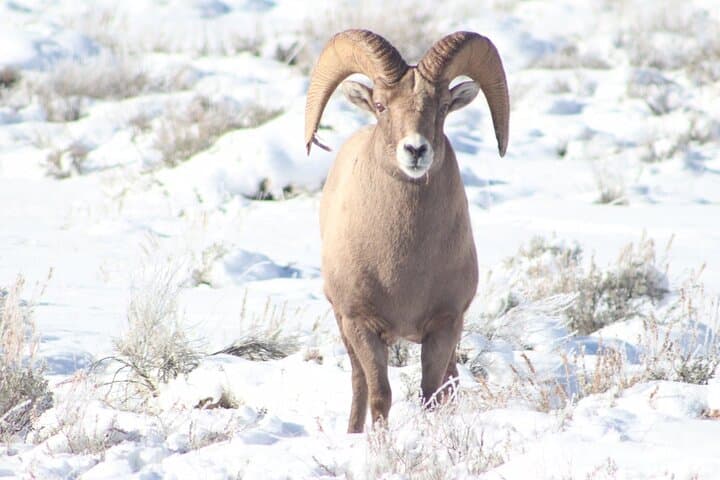
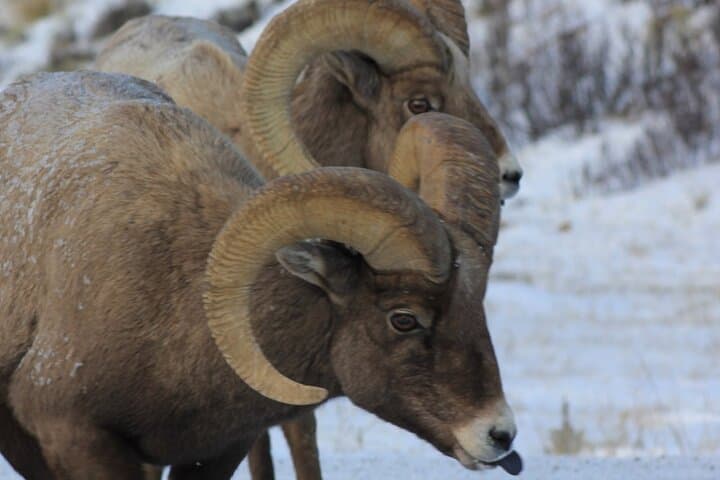
On a half-day outing you’ll look for elk, bison, moose and bighorn sheep from safe distances; guides will point out tracks, bedding areas and seasonal feeding patterns. Wind and sun are active characters—winds push flurries across open meadows while rivers dare you to come closer from designated overlooks.
Practical guidance: tours run about five hours, include park entrance and binoculars, and begin with a coffee stop. Dress in insulated layers, waterproof boots and a warm hat; the group moves slowly but may stand exposed for long looks. Bring a telephoto lens and patience—wildlife in winter is often distant but exquisitely photogenic. Keep to vehicle and guide directions to minimize disturbance and maximize sightings.
easy.
5 hours.
Suitable for most fitness levels; requires standing outdoors for extended periods and short walks on snow-packed ground.
Guides focus on areas with winter concentrations of elk, bison, moose and bighorn sheep; sightings are common but never guaranteed because animals move with food and weather.
Yes—this private, vehicle-based tour accommodates families and older travelers, though it’s not recommended for people with serious cardiovascular or spinal issues.
The tour includes a park entrance fee, the guide, use of binoculars, coffee, hot chocolate and snacks; optional stops (e.g., to see mountain goats) may cost extra.
Tours may be canceled for severe winter weather; the operator allows full refunds if canceled at least 24 hours before the scheduled departure time.
The Teton Range rose on a western fault block and was sculpted by glaciers; the valley has long been seasonally used by Indigenous Eastern Shoshone communities and later ranching settlers.
Winter tours are regulated to reduce wildlife disturbance; staying in vehicles and following guide distance limits helps animals conserve energy during scarce months.
Yellowstone Safari Tours operates guided outdoor trips and adventures with an emphasis on safety, stewardship, and memorable experiences.
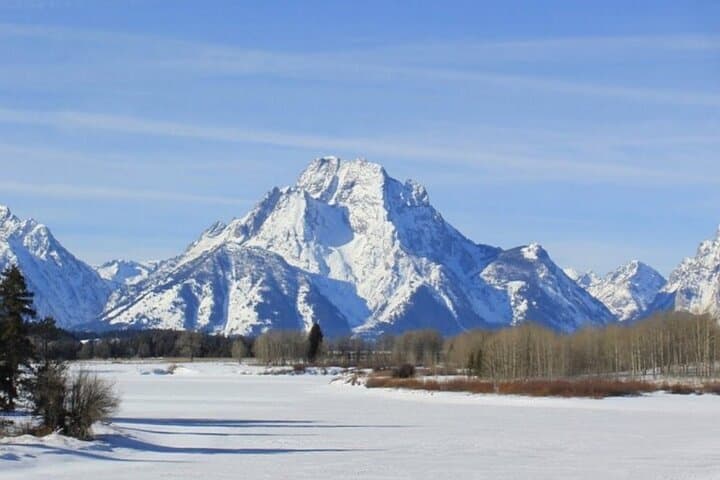
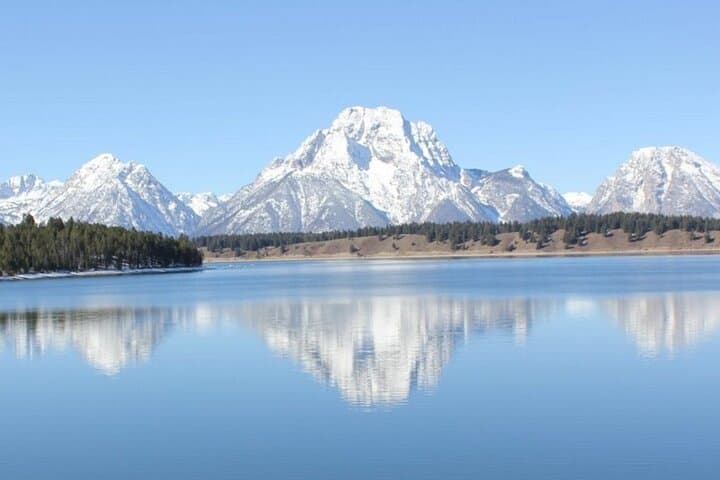
A low sun slices across the snowpacked valley as a guide scans the horizon through high-powered binoculars. The Teton skyline sits like a raw backbone above the powder, and the valley floor—wide, flat, and wind-sculpted—hosts slow-moving herds that own the winter light. Guests move quietly from viewpoint to roadside pullout; breath forms small clouds while coffee and hot chocolate ward off the cold.
A low sun slices across the snowpacked valley as a guide scans the horizon through high-powered binoculars. The Teton skyline sits like a raw backbone above the powder, and the valley floor—wide, flat, and wind-sculpted—hosts slow-moving herds that own the winter light. Guests move quietly from viewpoint to roadside pullout; breath forms small clouds while coffee and hot chocolate ward off the cold.
The tour follows routes long traveled by Indigenous peoples and later by ranchers and park rangers. Geologically, the Tetons rose fast along a fault block while glaciers carved the valleys, leaving exposed peaks and broad moraines that concentrate wildlife in winter. The local culture balances conservation and access—visitor centers here provide context on park rules and historic ties to the Eastern Shoshone and Shoshone-Bannock peoples.
On a half-day outing you’ll look for elk, bison, moose and bighorn sheep from safe distances; guides will point out tracks, bedding areas and seasonal feeding patterns. Wind and sun are active characters—winds push flurries across open meadows while rivers dare you to come closer from designated overlooks.
Practical guidance: tours run about five hours, include park entrance and binoculars, and begin with a coffee stop. Dress in insulated layers, waterproof boots and a warm hat; the group moves slowly but may stand exposed for long looks. Bring a telephoto lens and patience—wildlife in winter is often distant but exquisitely photogenic. Keep to vehicle and guide directions to minimize disturbance and maximize sightings.