THE ADVENTURE COLLECTIVE® · Independent discovery and booking for outdoor travel

Spend a private half-day with a conservation-minded guide exploring Estonia’s ancient bogs, the broad Paunküla Reservoir, and old-growth river corridors. This flexible walk blends birdwatching, landscape history, and practical fieldcraft for moderate hikers.
Spend a private half-day with a conservation-minded guide exploring Estonia’s ancient bogs, the broad Paunküla Reservoir, and old-growth river corridors. This flexible walk blends birdwatching, landscape history, and practical fieldcraft for moderate hikers.
You step onto the boardwalk just as the light peels across the bog—peat smoke-colored and patient—while a distant gull calls from the Paunküla water. The tour moves deliberately: low, hummocked peat gives way to old forest, then to the Pirita River's slow current that seems to push the trees into a quieter pace.
Verified experiences and guided adventures in the surrounding area.
Operated by Estonian Wildlife Tours · Kose, Harju County
You step onto the boardwalk just as the light peels across the bog—peat smoke-colored and patient—while a distant gull calls from the Paunküla water. The tour moves deliberately: low, hummocked peat gives way to old forest, then to the Pirita River's slow current that seems to push the trees into a quieter pace.
This landscape is geological memory: bogs here began forming after the last Ice Age, in places up to 10,000 years old. Manors and village parks nearby trace the human layer of the land—estates that once managed timber and water now frame pockets of mature oak and spruce where birds nest and foxes hunt. Local culture still reads the seasons through migration and harvest; a nature observer will point out traditional uses of bog cranberries and the old hydrology that created the reservoir system.
Expect a balanced mix of interpretation and quiet observation. Your guide—often a conservationist and photographer—will set up scopes for distant waders and scan river bends for beaver activity. Conversation can range from peatland ecology to the practical work of restoring riparian corridors.
Practical guidance: wear waterproof boots and layered clothing for variable bog-splash and wind off the reservoir; bring binoculars or use the provided scope, and pack snacks and water for the five-hour pace. Morning and late-afternoon light deliver the best bird activity; winter brings stark, open views but colder conditions. Respect nesting zones, stay on trails, and follow your guide’s lead to minimize impact while maximizing sightings.
moderate.
5 hours (half-day).
Moderate fitness required—able to walk uneven terrain for several hours with short stops for observation.
The tour is rated moderate: expect several kilometers of walking on mixed terrain including boardwalks, forest tracks, and occasional muddy stretches over about five hours.
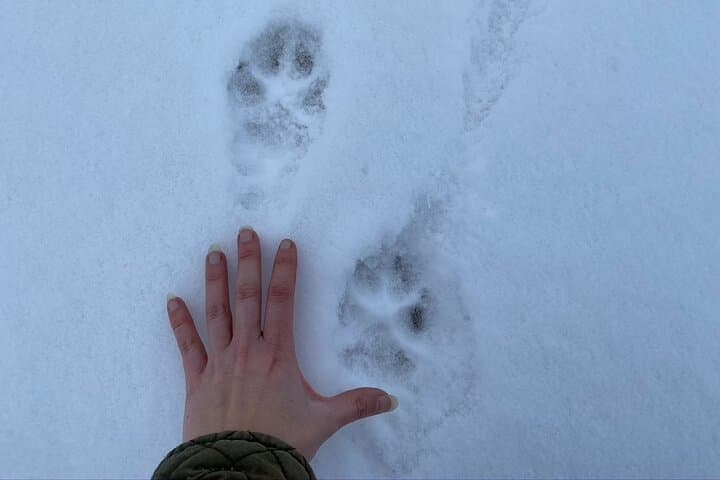
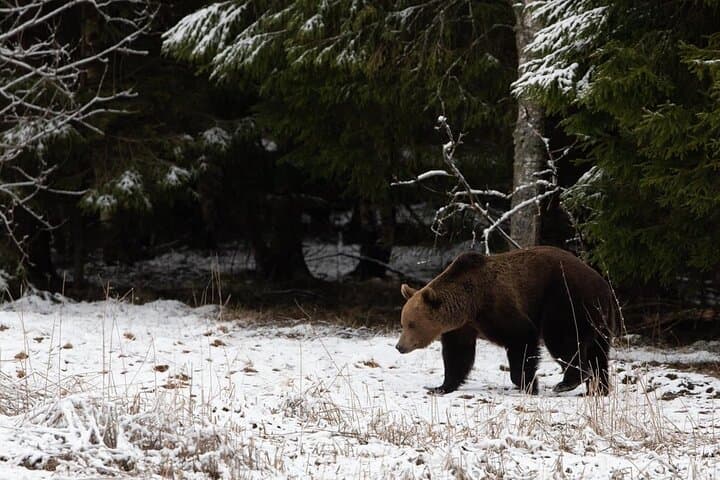
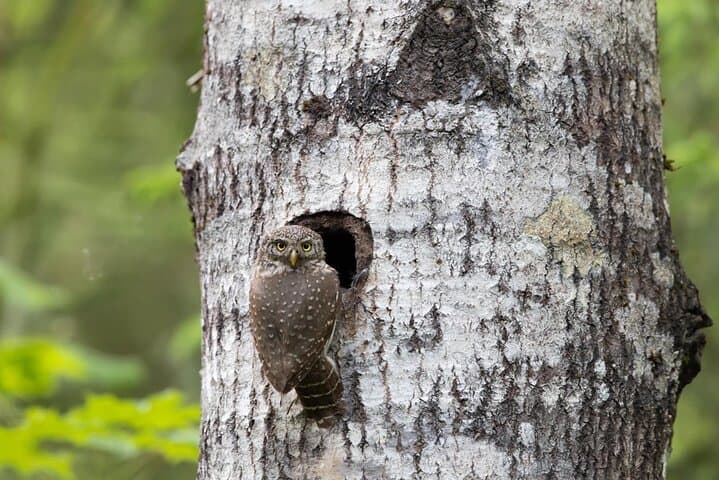
Sightings are likely but never guaranteed; guides maximize opportunities by choosing timing and habitat, and they provide scopes to increase success for birds and distant mammals.
Yes—canoeing and stand-up paddleboarding are available on request but should be arranged in advance to allow for equipment and safety planning.
Children who can manage uneven trails are fine; however, the route is not recommended for travelers with serious spinal, heart, or pregnancy-related restrictions due to uneven ground and prolonged walking.
Many of the bogs and riparian systems formed after the last Ice Age; nearby manors and village parks reflect centuries of land management that shaped current habitats.
Peatlands are carbon-rich and sensitive—stay on boardwalks, avoid collecting plants, and follow guide instructions to reduce trampling and disturbance.
Estonian Wildlife Tours operates guided outdoor trips and adventures with an emphasis on safety, stewardship, and memorable experiences.
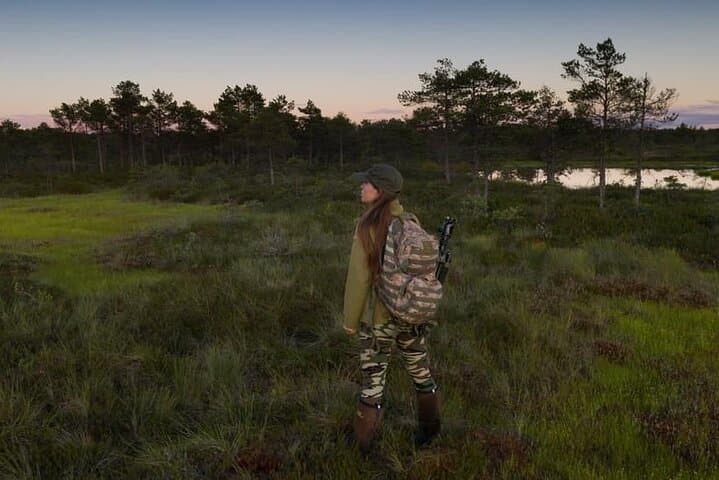
You step onto the boardwalk just as the light peels across the bog—peat smoke-colored and patient—while a distant gull calls from the Paunküla water. The tour moves deliberately: low, hummocked peat gives way to old forest, then to the Pirita River's slow current that seems to push the trees into a quieter pace.
You step onto the boardwalk just as the light peels across the bog—peat smoke-colored and patient—while a distant gull calls from the Paunküla water. The tour moves deliberately: low, hummocked peat gives way to old forest, then to the Pirita River's slow current that seems to push the trees into a quieter pace.
This landscape is geological memory: bogs here began forming after the last Ice Age, in places up to 10,000 years old. Manors and village parks nearby trace the human layer of the land—estates that once managed timber and water now frame pockets of mature oak and spruce where birds nest and foxes hunt. Local culture still reads the seasons through migration and harvest; a nature observer will point out traditional uses of bog cranberries and the old hydrology that created the reservoir system.
Expect a balanced mix of interpretation and quiet observation. Your guide—often a conservationist and photographer—will set up scopes for distant waders and scan river bends for beaver activity. Conversation can range from peatland ecology to the practical work of restoring riparian corridors.
Practical guidance: wear waterproof boots and layered clothing for variable bog-splash and wind off the reservoir; bring binoculars or use the provided scope, and pack snacks and water for the five-hour pace. Morning and late-afternoon light deliver the best bird activity; winter brings stark, open views but colder conditions. Respect nesting zones, stay on trails, and follow your guide’s lead to minimize impact while maximizing sightings.