THE ADVENTURE COLLECTIVE® · Independent discovery and booking for outdoor travel

Explore Ghent’s medieval squares, riverside façades and hidden courtyards on a 3.5-hour private walking tour. A local guide mixes headline sites like St. Bavo’s and Gravensteen with quieter gems and a local tasting.
Explore Ghent’s medieval squares, riverside façades and hidden courtyards on a 3.5-hour private walking tour. A local guide mixes headline sites like St. Bavo’s and Gravensteen with quieter gems and a local tasting.
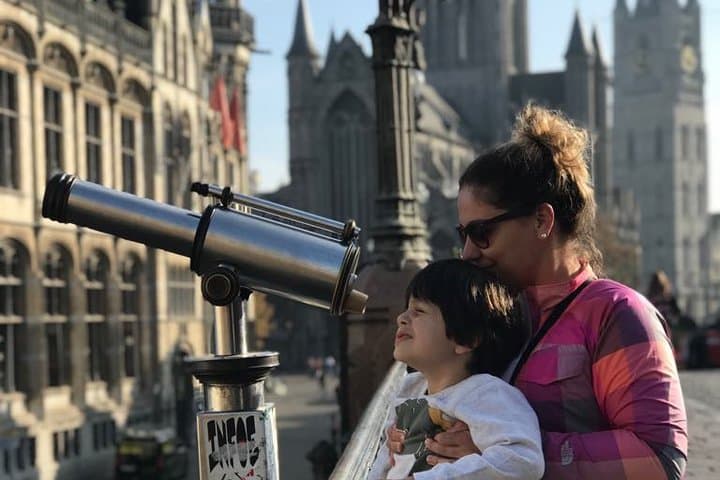
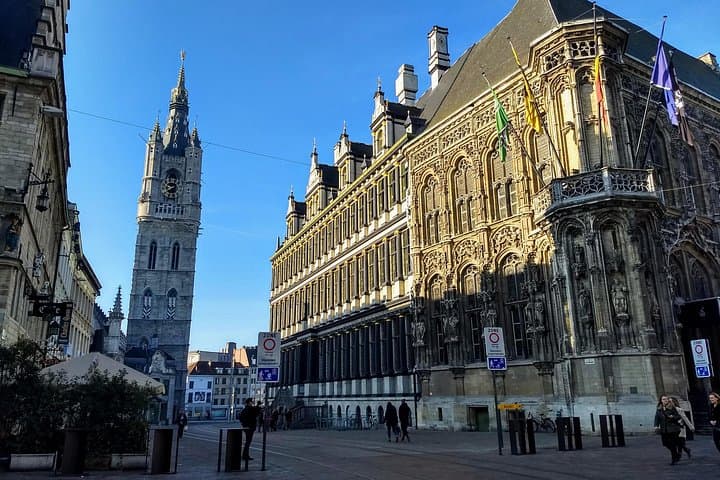
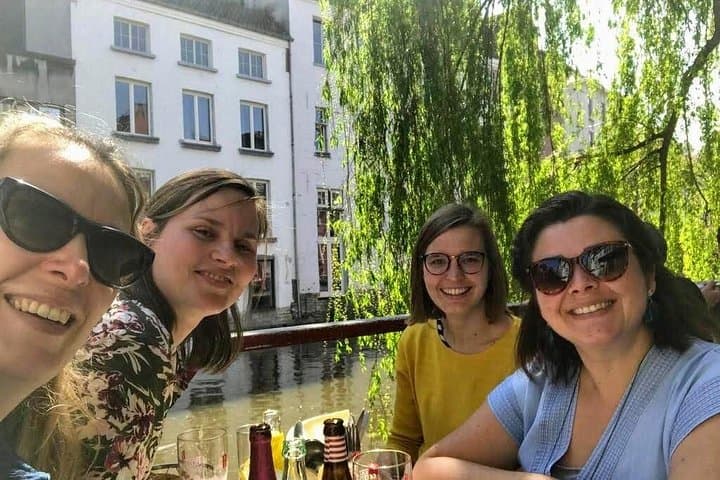
You step off a tram and the canal draws your eye—water threading through stone, lifting reflections of stepped gables and the belfry that watches the city. In three and a half hours a local guide leads you through market squares, under narrow bridges, and into quieter courtyards where cobbles still remember horse hooves.
Verified experiences and guided adventures in the surrounding area.
Operated by Alternative Belgium · Ghent, East Flanders
You step off a tram and the canal draws your eye—water threading through stone, lifting reflections of stepped gables and the belfry that watches the city. In three and a half hours a local guide leads you through market squares, under narrow bridges, and into quieter courtyards where cobbles still remember horse hooves.
Ghent grew rich as a medieval port and textile center; its core is sculpted by 13th–17th century guild houses and later industrial-era buildings that speak to a second boom in the 19th century. Geology is mostly urban: reclaimed riverbanks, brick and limestone façades, and canals that carved the routes trade followed. Culture here shifts quickly—from the ceremonial weight of St. Bavo’s cathedral, home of the Van Eyck altarpiece, to the lively energy of university neighborhoods and repurposed factories like Vooruit and De Krook.
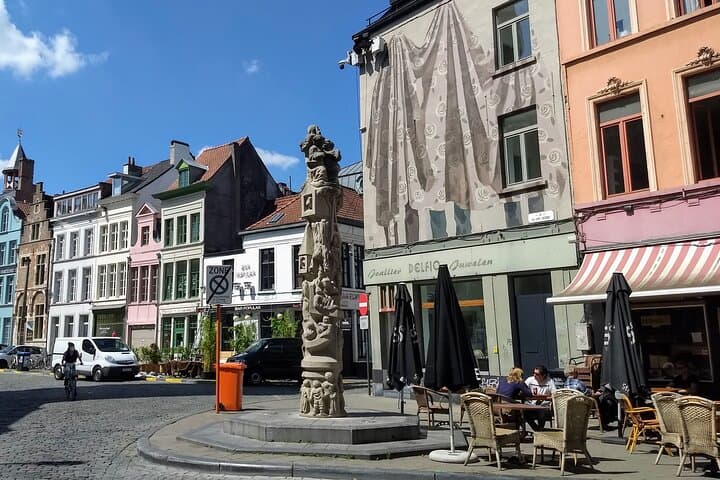
The tour blends the headline stops—Vrijdagmarkt, Gravensteen, Graslei—with less-visited corners: a beguinage garden, a medieval lane beside the Prince’s Court, and a food stall where you’ll taste a local specialty. Expect flat walking on cobbles and short staircases; bridges give frequent vantage points for photos and quick history notes.
Practical edge: wear sturdy shoes for uneven stone, bring a compact rain layer, and carry small change for snacks and entries. Book mid-morning to avoid the heaviest crowds; the route is wheelchair-friendly in large sections but ask your guide about specific spots. This is a balanced urban stroll: low exertion, high context, excellent for first-time visitors who want both the icons and the stories behind them.
easy.
3–4 hours.
Suitable for most fitness levels; light walking with intermittent standing and short stair climbs.
Yes—this private tour includes entry to the cathedral where the Ghent Altarpiece is exhibited.
Yes—the route is stroller-friendly in most sections; mention strollers when booking so guides can adjust the pace.
The tour includes a tasting of a local specialty; additional food or full meals are at guests' expense.
Guides commonly speak English and Dutch; confirm language preferences when you book to ensure availability.
A medieval powerhouse in cloth and trade, Ghent later industrialized early in Europe; the city preserves both merchant palaces and 19th-century labor movement landmarks.
Walks minimize impact—stay on paths, avoid feeding wildlife, and support local shops and museums to keep heritage sites viable.
Alternative Belgium operates guided outdoor trips and adventures with an emphasis on safety, stewardship, and memorable experiences.
You step off a tram and the canal draws your eye—water threading through stone, lifting reflections of stepped gables and the belfry that watches the city. In three and a half hours a local guide leads you through market squares, under narrow bridges, and into quieter courtyards where cobbles still remember horse hooves.
You step off a tram and the canal draws your eye—water threading through stone, lifting reflections of stepped gables and the belfry that watches the city. In three and a half hours a local guide leads you through market squares, under narrow bridges, and into quieter courtyards where cobbles still remember horse hooves.
Ghent grew rich as a medieval port and textile center; its core is sculpted by 13th–17th century guild houses and later industrial-era buildings that speak to a second boom in the 19th century. Geology is mostly urban: reclaimed riverbanks, brick and limestone façades, and canals that carved the routes trade followed. Culture here shifts quickly—from the ceremonial weight of St. Bavo’s cathedral, home of the Van Eyck altarpiece, to the lively energy of university neighborhoods and repurposed factories like Vooruit and De Krook.
The tour blends the headline stops—Vrijdagmarkt, Gravensteen, Graslei—with less-visited corners: a beguinage garden, a medieval lane beside the Prince’s Court, and a food stall where you’ll taste a local specialty. Expect flat walking on cobbles and short staircases; bridges give frequent vantage points for photos and quick history notes.
Practical edge: wear sturdy shoes for uneven stone, bring a compact rain layer, and carry small change for snacks and entries. Book mid-morning to avoid the heaviest crowds; the route is wheelchair-friendly in large sections but ask your guide about specific spots. This is a balanced urban stroll: low exertion, high context, excellent for first-time visitors who want both the icons and the stories behind them.